

The Tragedy of Silence
"During projection written Alberto."
Keys: Space play/pause · ←/→ 10s · F fullscreen · M mute · </> speed
About this film
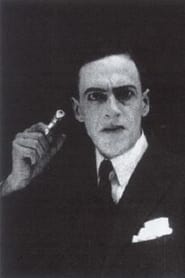
In his distress he decides to leave home. La tragedia del silencio is a Colombian silent melodrama film directed by Arturo Acevedo Vallarino and first screened on 18 July 1924 at the Faenza theatre in Bogotá. It was the first Colombian film during the silent film era with a film score, which was performed during the projection and was written by Alberto Urdaneta Forero.
Cast & crew
More Drama films
View all →






More about this film
About the production
Release date1924
ProductionAcevedo e Hijos
Filmed inBogotá, Colombia
The Tragedy of Silence was produced by the Acevedo e Hijos company, which was a pioneering film production company in Colombia founded by Arturo Acevedo Vallarino and his sons. The film was shot on location in Bogotá during a period when Colombian cinema was still in its infancy. The production faced significant challenges due to the limited technical resources available in Colombia at the time, including difficulties in obtaining proper film stock and equipment. The film was created with the intention of demonstrating that Colombian filmmakers could produce dramatic content comparable to international standards.
Themes
Medical misdiagnosisSocial isolationFamily separationStigma of diseaseCommunication breakdown
Themes & topics
leprosymisdiagnosisabandonmentfamilydiseasetragedymedical errorisolationhusband and wifesocial stigma
Historical background
By 1924, competing studios crowded weekly bills, and The Tragedy of Silence had to win attention alongside newsreels and shorts.
Why this film matters
Archivists revisit The Tragedy of Silence (1924) for performance styles and craft choices that later releases refined or replaced.
Making of
The Tragedy of Silence was created during a brief but significant period of Colombian film production in the 1920s. Director Arturo Acevedo Vallarino, originally a successful theater director, established the Acevedo e Hijos production company with his sons to create films for Colombian audiences. The family operated out of Bogotá and faced numerous technical and financial challenges, including the difficulty of importing film equipment and stock to Colombia. The casting included family members, with Gonzalo Acevedo Bernal being the director's son. The film was made with the ambitious goal of proving that Colombian cinema could compete with imported films in terms of quality and emotional impact. The production team worked with extremely limited resources, often having to improvise solutions for lighting, camera work, and other technical aspects that were taken for granted in more developed film industries.
What critics said
Trade papers near 1924 listed The Tragedy of Silence among weekly program offerings rather than as a headline critical event.
Did you know?
- This is considered one of the earliest surviving narrative feature films from Colombia's silent film era
- Director Arturo Acevedo Vallarino was a theater director who transitioned to cinema and became one of Colombia's first film pioneers
- The film was part of a small but significant wave of Colombian film production in the 1920s, before the industry largely collapsed due to economic difficulties
- The theme of leprosy was particularly relevant to Colombian audiences at the time, as the country had several leper colonies and the disease carried significant social stigma
- The film's title 'The Tragedy of Silence' refers both to the protagonist's self-imposed isolation and the silent film format itself
- Gonzalo Acevedo Bernal, who appears in the cast, was the director's son and part of the family's film production company
- The film was shot on 35mm film, which was expensive and difficult to obtain in Colombia during this period
- Like many early Colombian films, it was influenced by European melodramatic traditions rather than Hollywood styles
- The laboratory error in the plot reflects early 20th-century concerns about medical science and its limitations
- This film is often cited by film historians as an example of Colombia's lost cinematic heritage
Visual style
The cinematography of The Tragedy of Silence reflects the technical limitations and aesthetic preferences of early Colombian cinema. Shot on 35mm film with equipment that had to be imported at great expense, the visual style was necessarily straightforward but effective. The camera work likely employed static shots and simple movements typical of the period, with an emphasis on clear composition to convey the narrative without dialogue. The lighting would have relied heavily on natural light and basic artificial illumination, creating dramatic contrasts that enhanced the film's melodramatic tone. The visual storytelling would have focused on facial expressions and body language to convey emotion, a necessity in silent cinema. While not technically innovative by international standards, the cinematography was competent for its time and context, successfully supporting the film's emotional narrative and social themes.
Innovations
The Tragedy of Silence represents a significant technical achievement simply by virtue of its production in Colombia during the 1920s. The filmmakers overcame substantial obstacles including the difficulty of importing film equipment and stock to a country with limited infrastructure. The successful completion of a feature-length narrative film demonstrated that Colombian filmmakers could manage the complex technical processes required for cinema production, including camera operation, film development, and editing. While the film did not introduce groundbreaking technical innovations, it showcased the adaptation of established cinematic techniques to local conditions. The production team's ability to work with limited resources and still create a coherent narrative feature was itself a considerable technical accomplishment for the period and region.
Music
As a silent film, The Tragedy of Silence would have been accompanied by live musical performance during its original theatrical screenings. The specific musical arrangements used for the film are not documented, but it was common practice in the 1920s for theaters to provide musical accompaniment using piano, organ, or small orchestras. The music would have been selected to enhance the film's emotional tone, with dramatic passages during moments of tragedy and softer melodies for romantic scenes. The score likely drew from popular classical pieces and contemporary compositions of the era, adapted to fit the film's narrative needs. The absence of recorded sound meant that the musical experience varied from theater to theater, with each venue's musicians providing their own interpretation of the film's emotional requirements.
Famous quotes
Silence can be more devastating than any disease
Sometimes the greatest tragedy is not the truth, but our fear of it
Memorable scenes
- The laboratory scene where the mistaken diagnosis is delivered
- The protagonist's anguished decision to leave his family
- The wife's solitary wait for her husband's return
- The emotional reunion when the truth is finally revealed
What audiences thought
The Tragedy of Silence reportedly resonated strongly with Colombian audiences of the 1920s, who were unaccustomed to seeing their own stories and concerns depicted on screen. The film's exploration of leprosy and social isolation struck a chord with viewers who were familiar with these issues in Colombian society. Contemporary accounts suggest that audiences appreciated the film's emotional depth and its reflection of Colombian cultural values. The melodramatic elements and tragic storyline were well-suited to the tastes of silent-era audiences, who were accustomed to exaggerated emotional expressions in the absence of dialogue. The film's success among local audiences helped demonstrate that there was a market for Colombian-produced content, even though the industry would soon face significant economic challenges that would halt production for many years.
Film connections
Influenced by
- European melodrama
- Italian silent cinema
- Spanish theatrical traditions
This film influenced
- Later Colombian social dramas
- Colombian films addressing medical themes
Film restoration
The Tragedy of Silence is considered a partially lost film, with only fragments and still images surviving. Some scenes and promotional materials are preserved in Colombian film archives, but the complete feature is not known to exist in its entirety. The surviving elements are held by the Fundación Patrimonio Fílmico Colombiano and other cultural institutions dedicated to preserving Colombia's cinematic heritage. Efforts to locate and restore any remaining copies of the film continue, as it represents a crucial part of Colombia's film history.
Where to watch
- Due to its status as a partially lost film, The Tragedy of Silence is not commercially available. Surviving fragments may be viewed at specialized film archives in Colombia, particularly at the Fundación Patrimonio Fílmico Colombiano in Bogotá. Some clips and still images are occasionally shown in retrospectives of early Colombian cinema at film festivals and museum exhibitions. The film is not available on streaming platforms or home video formats.