

Three Brothers
"Dissatisfied with being assigned to shoe consignment detail"
Keys: Space play/pause · ←/→ 10s · F fullscreen · M mute · </> speed
About this film
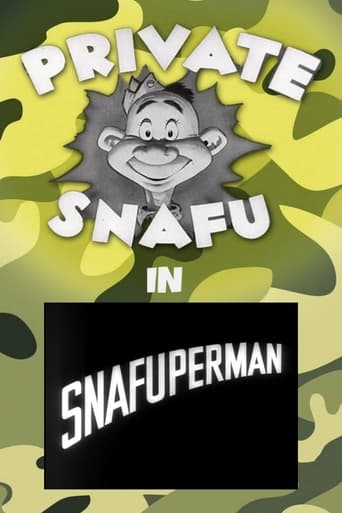
Dissatisfied with being assigned to shoe consignment detail, Snafu learns about the true value of his responsibilities.
Cast & crew
More Animation films
View all →

More from Friz Freleng
View all →

More about this film
About the production
Release date1944
ProductionWarner Bros. Cartoons, U.S. Army Signal Corps
Filmed inHollywood, California
Produced as part of the Private Snafu series for the U.S. Army during World War II, these cartoons were classified as military training films and not shown to the general public during the war. The production utilized Warner Bros.' top animation talent but operated under military supervision.
Themes
Military trainingSupply chain logisticsPersonal responsibilityTeamwork and interdependenceAttention to detail
Themes & topics
Historical background
By 1944, sound cinema, wartime mobilization, and changing censorship norms were reshaping what audiences expected from narrative features.
Why this film matters
Three Brothers remains part of the screen heritage of its era, offering evidence of prevailing genres, production methods, and audience tastes. Later revivals, archive screenings, and digitization have kept such titles accessible to researchers and dedicated viewers long after their first commercial runs.
Making of
The Private Snafu series was a unique collaboration between Warner Bros. Studios and the U.S. Army Signal Corps during World War II. Friz Freleng, one of Warner's top directors, worked alongside other animation legends like Chuck Jones and Bob Clampett on these classified training films. The production operated under strict military oversight, with officers reviewing scripts and storyboards to ensure educational objectives were met. Mel Blanc's voice work was particularly crucial in these cartoons, as his ability to create distinct character voices helped maintain engagement despite the educational content. The animation team was given unusual creative freedom compared to their theatrical work, allowing for more adult humor and situations that would never have passed the Hays Code for public release. These cartoons were produced quickly and efficiently, with the understanding that their primary purpose was functional education rather than entertainment.
What critics said
Reception records for Three Brothers are uneven; interest today is concentrated among archivists, historians, and viewers of older cinema. Modern assessment tends to emphasize historical value, craft, and cultural context rather than box-office performance.
Did you know?
- The Private Snafu series was created specifically for military personnel and was classified information during WWII
- These cartoons could use more adult humor and language than standard Warner Bros. cartoons since they weren't intended for public viewing
- The character name 'Snafu' comes from the military acronym 'Situation Normal: All F***ed Up'
- Dr. Seuss (Theodor Geisel) was involved in creating and writing many Private Snafu cartoons
- The series was produced at a cost of about $30,000 per cartoon, significantly more than typical theatrical shorts
- Many of these cartoons were considered lost for decades until archives were declassified
- The Army approved these cartoons because they found that soldiers responded better to humorous animation than dry training manuals
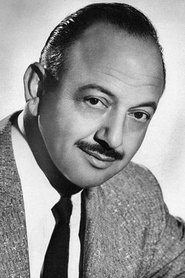
- Mel Blanc voiced not only Snafu but also most other characters in the series
- The cartoons often featured technical advisors from the Army to ensure accuracy in military procedures
- Animation censors that normally applied to theatrical cartoons were relaxed for these military productions
Visual style
The animation style employed the classic Warner Bros. approach with bold outlines, exaggerated character expressions, and dynamic movement sequences. The visual storytelling utilized rapid cuts and comic timing to maintain engagement while delivering educational content. Color was used strategically to highlight important information and create visual interest, even in sequences that were primarily instructional. The animation team employed squash and stretch techniques and other classic animation principles to make the educational material more visually appealing and memorable.
Innovations
The Private Snafu series pioneered the use of animation for adult education and military training, demonstrating that complex technical information could be effectively communicated through cartoons. The production team developed new techniques for balancing entertainment with educational content, creating a template that would influence future training materials. The series also showcased how animation could be used to visualize abstract concepts and procedures that would be difficult or expensive to film in live-action. These cartoons represented some of the earliest examples of what would now be called instructional design, using multimedia principles to enhance learning and retention.
Music
The musical score was composed by Carl Stalling, Warner Bros.' musical director, who adapted his usual theatrical cartoon style to serve the educational needs of the military training film. Stalling incorporated popular musical cues and military-themed melodies to maintain engagement while supporting the instructional content. Sound effects were exaggerated for comic effect, a technique that helped maintain viewer attention during the educational segments. The audio production benefited from Warner Bros.' state-of-the-art recording facilities, ensuring clear dialogue and music despite the film's utilitarian purpose.
Famous quotes
'Hey, this ain't so bad after all!' - Private Snafu
'Every pair of shoes counts!' - Training narrator
'You think this is easy? Try fighting with bare feet!' - Snafu
Memorable scenes
- The opening sequence where Snafu complains about his assignment, the montage showing how proper shoe distribution saves soldiers' lives, the comedic demonstration of what happens when supply chains fail
What audiences thought
The original military audience of soldiers received these cartoons with enthusiasm, often requesting repeat screenings. The humor and relatable protagonist made the educational messages more memorable and effective than traditional training methods. After the war and subsequent declassification, animation enthusiasts and historians have shown great interest in the series as rare examples of uncensored wartime animation. Modern audiences viewing these cartoons today appreciate them both as historical documents and as examples of Golden Age animation at its most uninhibited.
Film connections
Influenced by
- Warner Bros. theatrical cartoons
- Military training manuals
- Propaganda films
- Educational films
This film influenced
- Later military training animations
- Educational television programs
- Corporate training videos
- Modern instructional animations
Film restoration
Many Private Snafu cartoons were preserved in military archives and later transferred to the National Archives. Some were considered lost for decades but have since been recovered through film restoration efforts. The series exists in various condition levels depending on the specific cartoon and archive source.
Where to watch
- National Archives website
- Warner Bros. archival collections
- Military history museums
- Some public domain animation collections
- Educational film archives