
Tit for Tat
"Méliès loses his head, then grows another"
Keys: Space play/pause · ←/→ 10s · F fullscreen · M mute · </> speed
About this film
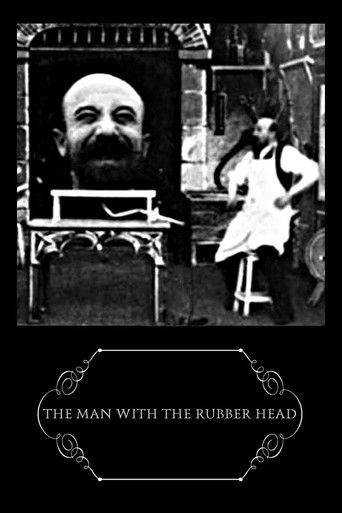
Georges Melies the magician. Melies removes his own head, puts it in a glass box on a stool, then grows another one. Melies lights up a cigarette and blows smoke at his old head. The head gets payback by levitating above Melies and spewing water on him.
Cast & crew
More films like this
More Comedy films
View all →







More from Georges Méliès
View all →
More about this film
About the production
Release date1904
Box officeUnknown - box office tracking was not systematic in 1904
ProductionStar Film Company
Filmed inMontreuil, Seine-Saint-Denis, France
Filmed in Méliès's glass studio in Montreuil, which allowed him to control lighting and create his elaborate special effects. The film utilized multiple exposure techniques, substitution splices, and careful stagecraft to create the illusion of decapitation and regeneration. Méliès painted his own backdrops and constructed all props himself, maintaining complete artistic control over his productions.
Themes
Revenge and comeuppanceMagical transformationThe duality of selfThe power dynamics between creator and creationThe boundaries between reality and illusion
Themes & topics
Historical background
Tit for Tat appeared in 1904, when the nickelodeon era and the birth of narrative film shaped how movies were financed, distributed, and discussed. Audiences of the day encountered the work amid shifting tastes in acting, pacing, and spectacle. Its focus on georges melies the magician mirrors themes circulating in popular culture of that moment.
Why this film matters
Tit for Tat (1904) belongs to the wider archive of world cinema, documenting georges melies the magician. melies removes his own. Archivists and historians value such titles for what they reveal about craft, genre, and audience expectations. Restorations and festival screenings keep the work visible to viewers far beyond its first run.
Making of
Georges Méliès created this film using his pioneering special effects techniques that revolutionized early cinema. The decapitation sequence was likely achieved through a substitution splice - Méliès would stop the camera, remove his head (using a dummy or clever positioning), place the head prop in the box, then resume filming. The regeneration of his head would involve another substitution effect. The levitating head sequence would have required wire work or a hidden support system, combined with careful editing to maintain the illusion. Méliès's glass studio allowed him to control every aspect of production, from the painted backdrops to the timing of his effects. His background as a stage magician at the Théâtre Robert-Houdin informed his approach to cinematic illusion, treating the camera as an audience member witnessing impossible feats.
What critics said
Press coverage from 1904 is fragmentary for many titles of this vintage; surviving notices for Tit for Tat tend to stress novelty, star power, or topical appeal. Later writing places the picture within its national and generic context, weighing both period conventions and moments that still land for modern viewers. Streaming and disc releases have revived discussion among classic-film audiences.
Did you know?
- This film is cataloged as Star Film #639 in Méliès's production catalog
- The title 'Tit for Tat' reflects the film's theme of reciprocal revenge between the magician and his severed head
- Méliès was a professional magician before becoming a filmmaker, bringing theatrical magic techniques to cinema
- The glass box prop was likely one of many Méliès constructed specifically for his trick films
- The water effect would have been achieved through careful editing and practical effects, possibly using a hidden water reservoir
- This film exemplifies Méliès's fascination with themes of decapitation and body transformation, appearing in multiple works
- The cigarette in the film reflects contemporary smoking habits and added a modern touch to the magical scenario
- Méliès often played the lead role in his own films, using his expressive face and theatrical training to maximum effect
- The film's brevity was typical of the era, as most films were under two minutes long
- The levitation effect would have been achieved through wires or careful camera angles combined with editing
Visual style
The cinematography in 'Tit for Tat' exemplifies Méliès's theatrical approach to filmmaking, using a static camera positioned to capture a stage-like presentation. The single, unbroken camera angle was typical of Méliès's work, allowing the audience to focus on the magical effects without distraction. The glass studio setting provided controlled lighting essential for the multiple exposure techniques used in the film. Méliès employed careful composition to ensure all props and actions remained visible within the frame. The black backdrops and theatrical lighting created the contrast needed for his special effects. The camera work, while simple by modern standards, was precisely calculated to maintain the illusion of the magical events, with timing crucial to the success of the substitution effects.
Innovations
'Tit for Tat' showcases several of Méliès's pioneering special effects techniques that were groundbreaking for 1904. The film demonstrates masterful use of substitution splices to create the illusion of decapitation and head regeneration. Multiple exposure techniques likely enabled the appearance of the levitating head. Méliès's careful control of lighting and his use of a black background facilitated these complex effects. The film also exhibits sophisticated prop construction and stagecraft, particularly the glass box and the mechanisms for the water effect. These techniques, while appearing simple to modern viewers, represented significant innovations in early cinema and established many of the fundamental principles of special effects that would evolve throughout film history. Méliès's systematic approach to creating illusions laid groundwork for the entire field of cinematic visual effects.
Music
As a silent film from 1904, 'Tit for Tat' originally had no synchronized soundtrack. During its initial exhibition periods, the film would have been accompanied by live music, typically a pianist or small orchestra in theaters. The musical accompaniment would have been improvised or selected from existing classical pieces to match the on-screen action. The magical and comedic elements would have suggested lighter, more whimsical musical selections. Modern screenings of the film often feature newly composed scores or period-appropriate music to enhance the viewing experience. Some contemporary presentations use sound effects to emphasize the magical moments, though purists prefer to experience the film as originally intended, as a purely visual work.
Famous quotes
(Silent film - no dialogue, but the visual narrative creates its own language of magical transformation and reciprocal revenge)
Memorable scenes
- The shocking moment when Méliès removes his own head and places it in the glass box, creating an impossible image that exemplifies early cinema's capacity for wonder and illusion
What audiences thought
Early 20th-century audiences were reportedly delighted and amazed by Méliès's trick films, including 'Tit for Tat'. The film's visual gags and impossible feats provided the kind of spectacle that drew crowds to early cinema exhibitions. Audiences of the time, unfamiliar with cinematic special effects, would have found the decapitation and levitation sequences genuinely magical. The film's brief runtime and clear visual storytelling made it accessible to diverse audiences across different countries and languages. Modern audiences viewing the film in retrospectives or film history contexts appreciate it as a charming example of early cinema's playful spirit and technical ingenuity. The film continues to entertain viewers with its simple but effective humor and impressive effects for the time period.
Film connections
Influenced by
- Stage magic and theatrical illusion
- The works of Jean-Eugène Robert-Houdin
- Commedia dell'arte traditions of physical comedy
- 19th-century spiritualism and séance performances
This film influenced
- Later trick films by other early pioneers
- Comedic revenge scenarios in silent comedy
- Body transformation themes in horror and fantasy cinema
- The tradition of filmmaker-performers in comedy
Film restoration
The film survives and has been preserved through various film archives and collections. It is available through several film restoration projects and has been included in DVD collections of Méliès's work. The survival rate of Méliès's films is relatively low compared to his total output, making each surviving work like 'Tit for Tat' particularly valuable to film history.
Where to watch
- YouTube (various uploads of the film)
- The Criterion Channel (in Méliès collections)
- DVD collections of Georges Méliès's films
- Film archive websites such as the Internet Archive
- Museum screenings and film festival retrospectives