Tit-for-Tat
"Insects condemned pinned giant."
Keys: Space play/pause · ←/→ 10s · F fullscreen · M mute · </> speed
About this film
An entomologist guilty of trying to capture rare insects is condemned to be pinned on a giant cork.
Cast & crew
More films like this
More Fantasy films
View all →

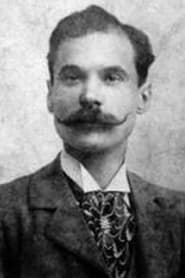
More from Gaston Velle
View all →

More about this film
About the production
Release date1906
ProductionPathé Frères
Filmed inParis, France
Directed by Gaston Velle, who was known as 'The French Méliès' due to his innovative use of special effects and trick photography. The film utilized stop-motion techniques, substitution splices, and forced perspective to create the illusion of the entomologist shrinking and being pinned. The giant insects were created through oversized props and clever camera angles. The production likely took place in Pathé's studio facilities in Paris or Vincennes, where many of their fantasy films were shot.
Themes
Environmental conservationKarmic justiceHumanity's relationship with natureScientific ethicsDreams and reality
Themes & topics
entomologistinsectsmagicdream sequencepunishmenttransformationforestspecial effectsmoral talenature
Historical background
Released around 1906, Tit-for-Tat reached audiences while exhibitors were still shaping program length and star promotion.
Why this film matters
For historians, Tit-for-Tat documents what typical program fare looked like in 1906, not only marquee blockbusters.
Making of
Gaston Velle, who began his career as a stage magician at the Folies Bergère, brought his expertise in illusion to this film. The production required elaborate sets including oversized flowers and insects to create the dream sequence. The special effects team used multiple exposure techniques to create the appearance of the entomologist shrinking. The film was shot on Pathé's studio stages where Velle had access to some of the most advanced film equipment of the time. The actors, mostly stage performers accustomed to exaggerated gestures, had to adapt their acting style for the camera while still conveying the story clearly to silent film audiences. The production likely took only a few days to complete, which was typical for short films of this era.
What critics said
Modern retrospectives screen Tit-for-Tat for craft context—pacing, performance, and camera choices of 1906.
Did you know?
- The film is also known by its French title 'Un drame chez les insectes' (A Drama Among the Insects)
- Director Gaston Velle was a magician before becoming a filmmaker, which explains his expertise in visual tricks and illusions
- The film was produced by Pathé Frères, among the pivotal film companies of the early 20th century
- Velle's special effects techniques were influenced by and often compared to those of Georges Méliès
- The film's moral about respecting nature was relatively progressive for its time
- Only a few of Velle's films survive today, making 'Tit-for-Tat' a rare example of his work
- The giant insects in the film were likely created using oversized models and forced perspective photography
- Pathé distributed this film internationally, helping spread French cinema's influence globally
- The film was part of a series of trick films Velle made for Pathé between 1905-1907
- The cork board punishment scene was achieved through clever use of matte photography and substitution splices
Visual style
The cinematography, likely handled by Pathé's studio cameramen, employed innovative techniques for the time. Multiple exposure photography was used to create the shrinking effect, while forced perspective gave the illusion of giant insects. The film utilized matte photography to combine live action with painted backgrounds. The camera work was static, as was typical of the era, but the composition was carefully planned to maximize the effectiveness of the special effects. The lighting was dramatic and theatrical, enhancing the dreamlike quality of the sequences.
Innovations
The film showcased several innovative special effects techniques for 1906, including substitution splices for the transformation scenes, forced perspective to create the illusion of scale difference between humans and insects, and multiple exposure photography. The production used oversized props and miniatures to enhance the fantasy elements. The film also demonstrated sophisticated matte painting techniques for background elements. These technical achievements placed Velle among the leading special effects filmmakers of his time, alongside Georges Méliès.
Music
As a silent film, 'Tit-for-Tat' would have been accompanied by live music during exhibition. The specific musical score is not documented, but theaters typically used stock music or improvisation. A pianist or small orchestra would have provided musical accompaniment that matched the on-screen action - whimsical music for the forest scenes, dramatic music for the trial, and suspenseful music for the punishment sequence. The music would have been crucial in conveying the emotional tone and helping audiences follow the narrative.
Famous quotes
No recorded dialogue exists as this is a silent film
Memorable scenes
- The dramatic transformation sequence where the entomologist shrinks down to insect size, the insect court trial with giant creatures serving as judges, the climactic scene where the protagonist is pinned to the giant cork board, the opening sequence of the entomologist hunting rare butterflies in the enchanted forest
What audiences thought
Early 20th-century audiences were fascinated by trick films and special effects, making 'Tit-for-Tat' likely popular when it was first released. The film's clear moral message and spectacular visual effects would have appealed to the fairground and theater audiences who were the primary consumers of cinema at the time. The dream sequence and transformation effects would have been particularly impressive to viewers who had never seen such cinematic illusions before. The film's short length made it ideal for the varied programs typical of early cinema exhibitions.
Film connections
Influenced by
- Works of Georges Méliès
- Stage magic traditions
- Natural history illustrations
- Aesop's fables
- French theatrical traditions
This film influenced
- Later nature-themed fantasy films
- Environmental cinema
- Body transformation films
- Moral fantasy tales
Film restoration
The film survives in archives and is considered preserved, though like many films of this era, it may exist in incomplete or deteriorated condition. Copies are held in film archives including the Cinémathèque Française and other major film preservation institutions. The film has been digitized as part of early cinema preservation efforts.
Where to watch
- Available on various early cinema compilation DVDs
- Streamable through specialized film archive websites
- Sometimes featured in film festival retrospectives on early cinema
- Available through academic film libraries
- Included in some online streaming services specializing in classic cinema