Uncle Josh's Nightmare
"Bedtime devilry on film"
Keys: Space play/pause · ←/→ 10s · F fullscreen · M mute · </> speed
About this film
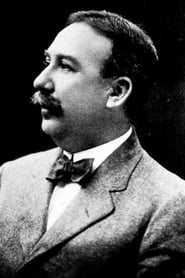
Uncle Josh struggles to sleep while a devil in red long underwear torments him in Edwin S. Porter's 1900 Edison trick film. Stage comedian Charles Manley played Josh in a popular vaudeville-derived sketch.
Cast & crew
More films like this
More Fantasy films
View all →

More from Edwin S. Porter
View all →

More about this film
About the production
Release dateNovember 1900
Box officeBox office records from 1900 are not available for individual Edison films
ProductionEdison Manufacturing Company
Filmed inEdison's Black Maria studio, West Orange, New Jersey
Filmed using a stationary camera with early trick photography techniques including jump cuts and substitution splicing. The film was shot on 35mm film and was part of Edison's ongoing efforts to create entertaining content for their Kinetoscope and projection systems. The production utilized simple sets with a bed as the main prop, and the special effects were created entirely in-camera through careful editing and timing.
Themes
Sleep and insomniaSupernatural tormentComedy through disruptionEarly horror elementsEveryman vs. supernatural forces
Themes & topics
Historical background
Uncle Josh was a recurring American stage character; Porter adapted the nightmare routine using superimposition and stop tricks common at Edison.
Why this film matters
'Uncle Josh's Nightmare' holds significant importance in film history as one of the earliest examples of narrative cinema employing special effects for comedic and horror purposes. The film demonstrates the emerging language of cinema, particularly the use of editing to create magical effects that would become staples of later fantasy and horror films. It represents an early step toward the development of film comedy, showing how visual gags could be crafted through the unique properties of the medium. The film also illustrates the transition from actuality films (documentaries of real events) to fictional narratives, which would dominate cinema within a few years. As part of the Uncle Josh series, it contributed to the creation of recurring characters in cinema, a concept that would become fundamental to film storytelling. The technical innovations shown in, particularly the use of jump cuts and substitution splicing, were foundational techniques that would be refined and expanded upon by future filmmakers.
Making of
The production of 'Uncle Josh's Nightmare' took place at Edison's famous Black Maria studio, the world's first film production facility. Edwin S. Porter, who was then emerging as one of Edison's most innovative directors, experimented with early special effects techniques that would become fundamental to cinema. The film was created using a single stationary camera position, with all the magical effects achieved through in-camera tricks and editing. Charles Manley, who played Uncle Josh, was one of Edison's regular contract actors and had developed the character through previous films. The devil character's appearances and disappearances were accomplished through substitution splicing - a technique where the camera was stopped, actors or props were changed, and then filming resumed. This labor-intensive process required precise timing and coordination, making each successful take a significant achievement. The production team had to work under the constraints of the Black Maria's unusual design, which featured a retractable roof to allow natural sunlight for filming.
What critics said
Historians cite the film in surveys of Porter's trick work and of transposing vaudeville acts to the screen.
Did you know?
- was part of a series featuring the Uncle Josh character, who was a recurring figure in early Edison comedies
- The devil character's costume of red long underwear was likely chosen for maximum visibility and comedic effect in early film conditions
- Edwin S. Porter would later direct the film 'The Great Train Robbery' (1903)
- The film presents some of the earliest uses of jump cuts in cinema history
- Uncle Josh was played by Charles Manley, who was a regular actor in Edison productions
- The film was originally shown as part of vaudeville programs and in early nickelodeon theaters
- At only one minute long, this was considered a substantial film length for its time
- The special effects were achieved through stop-motion techniques and careful editing, frame by frame
- represents one of the earliest examples of the horror-comedy genre in cinema
- The Edison Company marketed as part of their 'comedy and fantasy' category
Visual style
The cinematography in 'Uncle Josh's Nightmare' reflects the technical limitations and conventions of early cinema. The film was shot with a stationary camera positioned to capture the entire bedroom set, a common practice in 1900 when camera movement was rare and technically challenging. The lighting would have been natural sunlight, as artificial lighting for film was still in its infancy. The camera work is straightforward and functional, designed primarily to clearly capture the action and special effects. The composition follows theatrical conventions, with the action staged as if for a live audience. The cinematographer had to work within the constraints of early film stock, which had low light sensitivity and limited tonal range, necessitating bright, even lighting conditions.
Innovations
presents several important technical achievements for its time. The most significant is the sophisticated use of substitution splicing and jump cuts to create magical effects, demonstrating an early understanding of editing as a creative tool. The film also demonstrates precise timing and coordination between actors and camera operators to achieve the special effects. The production utilized the Edison Manufacturing Company's proprietary film equipment and processing techniques, which were among the most advanced of the period. The film's successful creation of supernatural appearances and disappearances represented a significant step forward in the development of cinematic special effects. These techniques, while simple by modern standards, were in 1900 and showed the potential of film as a medium for creating impossible scenarios.
Music
As a silent film from 1900, 'Uncle Josh's Nightmare' was originally presented without synchronized sound. During its initial theatrical runs, the film would have been accompanied by live musical performance, typically a pianist or small orchestra playing popular tunes of the era or improvised music to match the on-screen action. The musical accompaniment would have varied by venue and performer, with no standardized score. Some theaters might have used sound effects created backstage or by the musicians to enhance the comedic and supernatural elements. The Edison Company did not produce specific musical scores for their films during this period, leaving musical accompaniment to the discretion of individual exhibitors.
Famous quotes
As a silent film, there are no recorded spoken quotes from the production
Memorable scenes
- The recurring appearance and disappearance of the devil figure in Uncle Josh's bedroom, using early jump-cut techniques that would have amazed audiences of 1900
What audiences thought
Audiences in 1900 were still fascinated by the novelty of moving pictures, and films like 'Uncle Josh's Nightmare' were popular attractions in vaudeville houses and early film venues. The combination of comedy and supernatural elements would have been particularly appealing to turn-of-the-century audiences, who were accustomed to theatrical presentations and magical entertainments. The Uncle Josh character had already appeared in previous Edison films, so audiences would have been familiar with this bumbling, sympathetic protagonist. The film's short length and clear visual gags made it accessible to audiences of all backgrounds and literacy levels, which was important for the medium's mass appeal. Contemporary accounts suggest that audiences were particularly impressed by the magical effects and the seemingly impossible transformations shown on screen.
Film connections
Influenced by
- Stage magic and theatrical traditions
- Georges Méliès' trick films
- Vaudeville comedy routines
- Popular folklore about devils and nightmares
This film influenced
- Later Edison trick films
- Early horror comedies
- Supernatural comedy films
- Special effects-driven shorts
Film restoration
The film is preserved in the Library of Congress collection and has been restored by various film archives. It survives in 35mm format and is available through several film preservation organizations and educational institutions.
Where to watch
- Library of Congress National Screening Room
- Museum of Modern Art Film Collection
- Various film archive websites
- Educational film databases
- Early cinema compilation DVDs