
Uncle Tom's Cabin
"Tom does not leave, but Eliza flees with her child"
Keys: Space play/pause · ←/→ 10s · F fullscreen · M mute · </> speed
About this film
Tom does not leave, but Eliza flees with her child. After getting some help to escape the slave traders who are looking for her, she then must tr
Cast & crew
More Drama films
View all →






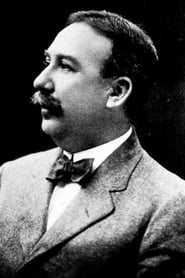
More from Edwin S. Porter
View all →

More about this film
About the production
Release dateAugust 3, 1903
Box officeUnknown commercial records unavailable from 1903
ProductionEdison Manufacturing Company
Filmed inEdison Studios, Bronx, New York, New Jersey locations for river scenes
Filmed during winter months to capture authentic ice conditions for the Ohio River sequence. The production used special effects including matte paintings and miniatures for the river crossing. Early cinema pioneer Edwin S. Porter employed innovative editing techniques including parallel action cutting between Eliza's escape and Tom's story, a relatively advanced technique for 1903. The film required multiple camera setups and location shooting, which was unusual for the period when most films were shot on single sets.
Themes
Slavery and freedomChristian martyrdomFamily separationMoral courageRacial injustice
Themes & topics
Historical background
Released in 1903 during cinema's first decade, Uncle Tom's Cabin reached audiences when exhibitors were still defining programming conventions. The narrative hook—Based on the novel by Harriet Beecher Stowe: Eliza, a slave who has a young…—reflects what contemporary producers thought would draw viewers.
Why this film matters
Uncle Tom's Cabin remains discussed by archivists tracing how screen stories of its period represented work, desire, conflict, and social order. Its central situation—Based on the novel by Harriet Beecher Stowe: Eliza, a slave who has a young…—still prompts questions about genre conventions and audience expectations.
Making of
The production of 'Uncle Tom's Cabin' represented a major undertaking for Edison Studios in 1903. Edwin S. Porter, who had recently joined Edison, was given creative freedom to experiment with narrative techniques that were still being developed. The filming of the famous ice floe sequence required building a special tank and hauling in large blocks of ice during summer, creating artificial winter conditions. The cast consisted primarily of stage actors from New York theater companies, as film acting was not yet considered a distinct profession. Porter employed innovative techniques including location shooting for river scenes, which was logistically challenging in an era when cameras were heavy and required constant hand-cranking. The film's editing was particularly advanced for its time, using cross-cutting to build suspense between Eliza's escape and Tom's suffering, a technique that would become fundamental to cinema.
What critics said
Trade and newspaper notices for Uncle Tom's Cabin generally emphasized casting, spectacle, and program fit rather than extended aesthetic argument. Retrospective screenings and archival notes continue to shape how viewers evaluate Uncle Tom's Cabin today.
Did you know?
- This was the first film adaptation of Harriet Beecher Stowe's novel, which was the best-selling novel of the 19th century
- The film was one of the earliest American feature-length films, though still short by modern standards
- Edwin S. Porter, the director, would later direct 'The Great Train Robbery' (1903), influential early films
- The ice floe sequence was created using actual ice blocks in a studio tank, one of the earliest uses of artificial special effects
- The film was released in multiple versions, including a 7-reel version for longer exhibitions
- Thomas Edison personally supervised the production, as he was heavily involved in his studio's output during this period
- The film featured one of the first uses of parallel editing in American cinema, cutting between two simultaneous storylines
- All actors were white performers in blackface, which was standard practice in early American cinema
- The original film included tinted sequences, particularly for dramatic moments like the river crossing
- A complete print of the original 1903 version survives in the Library of Congress collection
Visual style
The cinematography by Edwin S. Porter and the Edison team employed innovative techniques for 1903. The film used multiple camera angles rather than the single static shots common in early cinema. The ice floe sequence utilized special effects including matte paintings and forced perspective to create the illusion of a dangerous river crossing. The film featured location shooting for exterior scenes, which was unusual for the period when most filming occurred on studio sets. Porter employed close-up shots for emotional moments, though these were rare and used sparingly. The lighting techniques included natural light for exteriors and arc lighting for interior scenes, creating dramatic contrasts that enhanced the storytelling.
Innovations
The film featured several technical innovations for 1903. It was one of the first American films to use parallel editing, cutting between two simultaneous storylines to build suspense and dramatic tension. The production employed special effects including matte paintings and miniature work for the river crossing sequence. Porter utilized multiple camera setups and varied shot lengths, moving away from the single static shots common in early cinema. The film's use of location shooting combined with studio work demonstrated new possibilities for cinematic storytelling. The ice effects, created using real ice blocks in studio tanks, represented an early achievement in practical special effects.
Music
As a silent film, 'Uncle Tom's Cabin' would have been accompanied by live musical performance during exhibition. The Edison Company provided suggested musical cues for theater pianists or small orchestras, typically including popular songs of the era such as 'Way Down Upon the Swanee River' and spirituals like 'Nobody Knows the Trouble I've Seen.' The musical accompaniment was designed to enhance emotional moments, with faster tempos during chase sequences and somber melodies for dramatic scenes. Some larger theaters employed small orchestras to perform classical pieces adapted for the film's narrative beats.
Famous quotes
As a silent film, there are no spoken quotes, but intertitles included: 'Eliza: My child shall not be sold!'
Intertitle: 'Uncle Tom: I will not run away. I must stay and face my fate.'
Intertitle: 'The icy waters of the Ohio River - the last barrier to freedom.'
Memorable scenes
- Eliza's desperate escape across the ice floes of the Ohio River, clutching her child as she leaps from one floating ice block to another while slave catchers pursue her on the riverbank - this sequence was particularly praised for its technical achievement and emotional impact in 1903.
What audiences thought
The film was a commercial success for Edison Studios, drawing large crowds in vaudeville theaters and dedicated film venues. Audiences of 1903 were particularly impressed by the spectacle of the ice floe sequence, which was advertised heavily in promotional materials. The film's emotional story resonated with viewers who were familiar with Stowe's novel from school readings or theatrical adaptations. However, some audience members found the film's depiction of slavery disturbing, particularly the scenes showing Tom's brutal treatment. The film ran for extended engagements in major cities and was frequently re-booked due to popular demand, helping establish that audiences would pay to see longer, more narrative-driven films.
Film connections
Influenced by
- Harriet Beecher Stowe's 1852 novel
- Stage adaptations of 'Uncle Tom's Cabin' (popular throughout the late 19th century)
- Earlier Edison short films
- French narrative films by Georges Méliès
This film influenced
- 'The Great Train Robbery' (1903) - also directed by Porter
- Later 'Uncle Tom's Cabin' adaptations
- Early D.W. Griffith films that used parallel editing
- Race films of the 1910s-1940s
Film restoration
The film is preserved in the Library of Congress and the Museum of Modern Art film collection. A complete 35mm print exists, though some deterioration is evident. The film has been digitally restored and is available through various archival sources. It remains one of the best-preserved American films from 1903.
Where to watch
- Library of Congress National Screening Room
- Museum of Modern Art film collection
- Various DVD compilations of early Edison films
- Some streaming services specializing in classic cinema
- Film archives and museums with early cinema collections