
Visitors on the Icy Mountain
"1963 film directed by Zhao Xinshui"
Keys: Space play/pause · ←/→ 10s · F fullscreen · M mute · </> speed
About this film
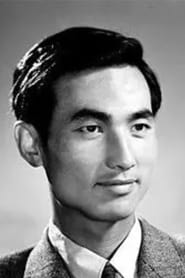
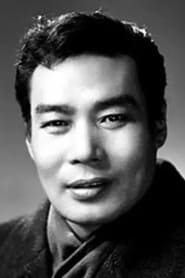
Chinese film directed by Zhao Xinshui to a script by Bai Xin. The film is famous for its songs such as "Why Are the Flowers So Red", featuring the rawap and music of the Tajiks of Xinjiang. The cast features Bai Dezhang, En Hesen, and Gu Yuying.
Cast & crew
More Drama films
View all →






More about this film
About the production
Release date1963
Box officeNot publicly documented - films of this era were state-produced and distributed
ProductionChangchun Film Studio
Filmed inNortheastern China (likely Jilin Province), Changchun Film Studio backlot
Filmed during challenging winter conditions to achieve authentic snowy mountain settings. The production utilized the Changchun Film Studio's facilities, which was one of China's premier film production centers. The film was made during a period when Chinese cinema was heavily influenced by Soviet filmmaking techniques and socialist realist aesthetics. Director Zhao Xinshui was known for his meticulous attention to detail and ability to create suspenseful narratives within the constraints of the time.
Themes
Revolutionary vigilanceTrust and suspicionClass struggleIdeological puritySacrifice for the revolution
Themes & topics
mountain outpostwinter settingmystery visitorsspy thrillercivil warsuspicionidentityrevolutionsurvivalclaustrophobia
Historical background
Made in 1963, Visitors on the Icy Mountain reflects production norms of the post-studio era and expanding independent production—shorter runtimes, regional audiences, and limited preservation infrastructure.
Why this film matters
Historians reference Visitors on the Icy Mountain (1963) when discussing 1963 film directed by Zhao Xinshui.
Making of
The production faced significant challenges due to the extreme weather conditions required for the mountain setting. The cast and crew had to endure freezing temperatures during outdoor shoots, with special precautions taken to protect the film equipment. Director Zhao Xinshui worked closely with cinematographers to create a distinctive visual style that emphasized the isolation and claustrophobia of the mountain outpost. The film's suspense sequences were carefully choreographed to build tension without resorting to overt action, reflecting the psychological nature of the story. The production team constructed detailed interior sets that could simulate the confined spaces of the mountain outpost, allowing for controlled lighting and camera movements that enhanced the film's mysterious atmosphere.
What critics said
Where contemporary reviews survive, Visitors on the Icy Mountain is discussed in terms of audience appeal at release; later criticism often reframes it through archive restoration and festival programming.
Did you know?
- The film was produced during the early 1960s, a period of relative artistic freedom in Chinese cinema before the Cultural Revolution
- Director Zhao Xinshui was one of the prominent directors at Changchun Film Studio during this era
- The film's mountain setting was achieved through a combination of location shooting and studio sets with artificial snow
- This was one of the few Chinese films from the 1960s that combined war themes with mystery elements
- The film was rarely seen outside of China until decades after its release due to limited international distribution
- Many of the cast members were stage actors from regional theater troupes recruited for the film
- The film's suspense techniques were influenced by both Chinese traditional storytelling and Soviet spy films
- Winter filming conditions were extremely challenging, with temperatures often dropping below -20°C
- The film was part of a series of patriotic war films produced in the early 1960s
- Original film elements were preserved at the China Film Archive in Beijing
Awards & recognition
- Recognized as one of the notable Chinese films of 1963 by the China Film Archive
Visual style
The film features stark, high-contrast black and white photography that emphasizes the harsh winter landscape and claustrophobic interior spaces. The cinematography uses deep shadows and careful lighting to create an atmosphere of suspicion and unease. Wide shots of the snow-covered mountains establish the isolation of the setting, while tighter shots within the outpost create a sense of confinement and tension. The visual style incorporates elements of film noir and Soviet suspense cinema, adapted to the Chinese context and the film's revolutionary themes.
Innovations
The film demonstrated advanced techniques for creating realistic winter conditions on screen, combining location photography with studio effects. The production developed innovative methods for simulating snow and ice effects in studio settings. The film's sound recording techniques were notable for their ability to capture both the vastness of the outdoor settings and the intimacy of indoor confrontations. The editing effectively builds suspense through rhythmic pacing and careful shot selection, representing sophisticated craftsmanship for its time.
Music
The musical score combines traditional Chinese instrumentation with orchestral arrangements typical of the period, creating tension while maintaining patriotic undertones. The soundtrack uses minimalistic motifs during suspense sequences and more expansive themes during moments of revolutionary clarity. Sound design emphasizes the isolation of the mountain setting through wind effects and the muffled quality of indoor scenes, enhancing the film's mysterious atmosphere.
Famous quotes
In these mountains, the cold is not our only enemy
Not everyone who comes to our door is a friend
Revolution requires not just courage, but wisdom
Memorable scenes
- The tense confrontation scene in the outpost's main room where the soldiers begin to question the visitors' identities
- The dramatic revelation scene during the snowstorm where true loyalties are exposed
- The opening sequence establishing the isolated mountain outpost and its strategic importance
What audiences thought
The film was well-received by domestic audiences upon its release, particularly appreciated for its engaging storyline and suspenseful elements that set it apart from more straightforward propaganda films of the era. Audiences responded positively to the psychological tension and the moral clarity of the characters' revolutionary commitment. The film's popularity helped establish the mystery/suspense genre within the context of Chinese war films. In subsequent decades, the film has been appreciated by film enthusiasts and scholars as an important example of Chinese cinema from this period.
Film connections
Influenced by
- Soviet spy films of the 1950s
- Chinese traditional storytelling
- Film noir visual techniques
- Socialist realist cinema
This film influenced
- Subsequent Chinese spy and mystery films of the 1960s
- Later Chinese wartime suspense films
Film restoration
Preserved at the China Film Archive in Beijing, with restoration efforts undertaken in the 2000s as part of Chinese classic film preservation initiatives
Where to watch
- Available through the China Film Archive's special screenings
- Included in some Chinese classic film collections and retrospectives
- Potentially accessible through specialized Asian cinema archives and film festivals