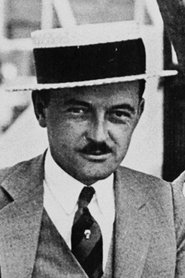
James Flood
Director
Born: July 31, 1895 in New York City, New York, USA Died: February 4, 1953 Active: 1927-1941 Birth Name: James J. Flood
Films
1 film
About James Flood
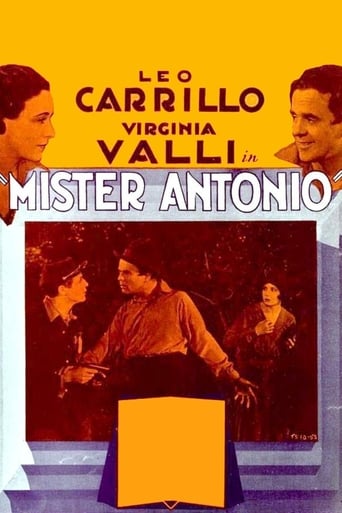
American director who emerged during the pivotal transition period from silent films to talkies in Hollywood. He began his directorial career in the late 1920s, with 'Mister Antonio' (1929) being one of his earliest credited works during this transformative era in cinema. Flood quickly established himself as a competent director capable of handling both dramatic and comedic material, working steadily throughout the early 1930s when the film industry was adapting to sound technology. His the crucial years when Hollywood was establishing the conventions of sound cinema, and he directed numerous films for major studios during this period. While never achieving the status of some of his contemporaries, Flood — reliable studio director who contributed significantly to the output of early sound cinema. He worked with various notable actors of the era and helped shape the visual and narrative language of early talkies. His directorial approach reflected the practical needs of studio production while maintaining a distinctive visual style that adapted well to the new medium of sound film.
The Craft
Behind the Camera
James Flood's directing style was characterized by its efficiency and practicality, typical of studio system directors of his era. He demonstrated a solid command of visual storytelling techniques that translated well from silent to sound cinema, with particular attention to clear narrative progression and character development. His films often featured straightforward camera work that prioritized clarity over artistic experimentation, making his work accessible to mainstream audiences. Flood showed versatility in handling various genres, from drama to comedy to mystery, adapting his approach to suit the material at hand. His direction of actors was competent though not particularly innovative, focusing on naturalistic performances that served the story rather than showcasing technical virtuosity.
Milestones
- Directed 'Mister Antonio' (1929) during the transition to sound
- Directed 'The Big Shot' (1931)
- Directed 'The Crime of the Century' (1933)
- Directed 'The Woman Who Dared' (1933)
- Directed 'The Girl Who Came Back' (1935)
- Directed numerous B-movies and programmers for major studios
Best Known For
Must-See Films
Working Relationships
Worked Often With
Studios
Why They Matter
Impact on Culture
James Flood's contribution to cinema lies primarily in his role as one of the many competent directors who helped bridge the gap between silent and sound films during Hollywood's most transformative period. His work during 1929-1935 represents the crucial era when the film industry was establishing the conventions of sound cinema, and his films serve as examples of how directors adapted their techniques to accommodate dialogue and synchronized sound. While not a auteur, Flood's consistent output of genre films helped maintain the stability of the studio system during the economic challenges of the Great Depression. His films, though often modest productions, contributed to the development of narrative techniques and visual styles that would become standard in Hollywood cinema. Flood's career exemplifies the journey of the typical studio director of his era—reliable, versatile, and essential to the industry's output, even if not always recognized by posterity.
Lasting Legacy
James Flood's legacy in film history is that of a representative example of the studio system director during the early sound era. While his individual films may not be remembered as classics, his body of work provides valuable insight into the types of productions that dominated Hollywood during the 1930s. Flood's career demonstrates how the film industry relied on capable, professional directors to maintain a steady stream of content for theaters across America. His films serve as historical documents of the transition period in cinema, showcasing the evolving techniques of early sound filmmaking. Though largely forgotten by mainstream film history, Flood's work remains of interest to cinema scholars studying the development of Hollywood's studio system and the evolution of sound cinema. His career trajectory from the late silent era through the early 1940s illustrates the challenges and opportunities faced by directors working within the constraints of the studio system.
Who They Inspired
James Flood's influence on other filmmakers appears to have been primarily indirect, through his work as part of the Hollywood studio system rather than as a mentor or innovator. His films demonstrated practical approaches to sound filmmaking that other directors could observe and adapt, particularly in handling dialogue scenes and maintaining narrative clarity in early talkies. While he didn't develop a distinctive cinematic style that others would emulate, his consistent professionalism and versatility across genres set an example for other studio directors. Flood's ability to work efficiently within budgetary and time constraints demonstrated the practical skills necessary for success in Hollywood's golden age. His career path, moving from independent productions to studio work and back, provided a model for other directors navigating the complex Hollywood system of the 1930s and 1940s.
Off Screen
James Flood was born and raised in New York City before making his way to Hollywood during the burgeoning film industry's early years. He maintained a relatively private personal life away from the glamour of Hollywood, focusing primarily on his craft as a director. Flood was married to actress and screenwriter Frances Hyland, with whom he occasionally collaborated professionally. The couple had no children together. Flood's life was largely dedicated to his work in the film industry, and he continued directing until his health began to fail in the early 1940s. He passed away in 1953 at the age of 57, leaving behind a legacy of nearly three dozen films spanning the crucial early years of sound cinema.
Education
Limited formal education, primarily self-taught in film through practical experience in the industry
Family
- Frances Hyland (1930-1953)
Did You Know?
- 'Mister Antonio' (1929) was one of the earliest films directed by James Flood, released during the first full year of sound cinema's dominance
- Flood directed over 30 films during his 14-year career, averaging more than two films per year
- Many of Flood's films are now considered lost, a common fate for early sound films due to poor preservation practices
- Flood worked with both major studios and smaller production companies, demonstrating the flexibility of directors during the studio era
- His wife Frances Hyland wrote several screenplays for his films, making them one of the early husband-wife creative teams in Hollywood
- Flood's career effectively ended in 1941, possibly due to health issues or the changing demands of wartime Hollywood
- Despite directing numerous films, Flood never received an Academy Award nomination, reflecting the often-overlooked status of studio directors
- His films often featured strong female protagonists, unusual for the era
- Flood was one of many directors who successfully transitioned from silent films to talkies, a transition that ended many careers
- His work spanned multiple genres including drama, comedy, mystery, and romance, showcasing the versatility required of studio directors
In Their Own Words
Information about famous quotes by James Flood is not well documented in historical records
Frequently Asked Questions
Who was James Flood?
American on YTB.my. He directed over 30 films, including 'Mister Antonio' (1929), and worked primarily within the Hollywood studio system for major studios like Universal, Paramount, and Columbia.
What films is James Flood best known for?
Titles linked here include Mister Antonio (1929), The Big Shot (1931).
When was James Flood born and when did he die?
Born July 31, 1895; died February 4, 1953.
What awards did James Flood win?
There are no records of James Flood receiving major awards or Academy Award nominations during his career. This was not uncommon for studio system directors of his era, who often worked behind the scenes without receiving significant public recognition.
What was James Flood's directing style?
James Flood's directing style was characterized by efficiency and practicality, typical of studio system directors. He demonstrated solid command of visual storytelling that translated well from silent to sound cinema, with clear narrative progression and versatile handling of various genres. His approach prioritized accessibility and mainstream appeal over artistic experimentation.
How did James Flood contribute to early sound cinema?
James Flood was one of the directors who successfully navigated the challenging transition from silent films to talkies in the late 1920s. His films from this period demonstrate how directors adapted their techniques to accommodate dialogue and synchronized sound, helping establish the conventions of early sound cinema that would influence the industry for decades.
Was James Flood married?
Yes, James Flood was married to Frances Hyland, an actress and screenwriter, from 1930 until his death in 1953. The couple occasionally collaborated professionally, with Hyland writing several screenplays for Flood's films, making them one of the early husband-wife creative teams in Hollywood.