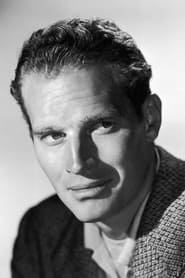
Charlton Heston
Actor
Born: October 4, 1923 in Evanston, Illinois, USA Died: April 5, 2008 Active: 1941-2003 Birth Name: John Charles Carter
Films
1 film
About Charlton Heston
Charlton Heston, born John Charles Carter, was an American actor renowned for his commanding presence and powerful performances in epic historical and biblical films. He began his career on stage and in minor film roles before achieving stardom with his portrayal of Moses in Cecil B. DeMille's 'The Ten Commandments' (1956). Heston's career reached its zenith with his Academy Award-winning performance as Judah Ben-Hur in 'Ben-Hur' (1959), films in cinema history. Throughout the 1960s and 1970s, he continued to dominate the screen with roles in 'El Cid,' 'The Greatest Story Ever Told,' and 'Planet of the Apes.' His distinctive baritone voice and imposing physical stature made him the quintessential hero of Hollywood's golden age of epics. Later in life, Heston became increasingly involved in politics, serving as president of the Screen Actors Guild and later as a prominent figure in the National Rifle Association. He continued acting into his seventies, appearing in films like 'True Lies' and 'Any Given Sunday' before his death in 2008.
The Craft
On Screen
Heston was known for his commanding, theatrical acting style characterized by a powerful baritone voice, imposing physical presence, and intense dramatic delivery. He specialized in portraying historical and biblical figures with gravitas and moral authority, often embodying the archetype of the noble hero. His approach was classical and formal, emphasizing clear diction and deliberate movements that suited epic productions. Heston's performances were marked by their emotional intensity and physical commitment, often requiring him to undergo rigorous physical training for his roles.
Milestones
- Breakthrough role in 'The Ten Commandments' (1956)
- Academy Award for Best Actor for 'Ben-Hur' (1959)
- Starred in 'Planet of the Apes' (1968)
- President of Screen Actors Guild (1965-1967)
- Received the Cecil B. DeMille Award (1976)
- Published autobiography 'In the Arena' (1995)
Best Known For
Iconic Roles
Must-See Films
Accolades
Won
- Academy Award for Best Actor for 'Ben-Hur' (1959)
- Golden Globe for Best Actor for 'Ben-Hur' (1959)
- Cecil B. DeMille Award (1976)
- Jean Hersholt Humanitarian Award (1978)
- National Board of Review Award for Best Actor for 'Ben-Hur' (1959)
Nominated
- Academy Award nomination for Best Actor for 'The Ten Commandments' (1956)
- Golden Globe nomination for Best Actor for 'The Ten Commandments' (1956)
- BAFTA nomination for Best Foreign Actor for 'Ben-Hur' (1960)
- Golden Globe nomination for Best Actor for 'El Cid' (1961)
Special Recognition
- Hollywood Walk of Fame star (1960)
- Kennedy Center Honors (1997)
- Presidential Medal of Freedom (2003)
- AFI Life Achievement Award (1994)
- Screen Actors Guild Life Achievement Award (1972)
Working Relationships
Worked Often With
Studios
Why They Matter
Impact on Culture
Charlton Heston left an indelible mark on American cinema and culture as the embodiment of the Hollywood epic hero. His portrayals of historical and biblical figures shaped generations' understanding of these characters and established the template for the heroic archetype in cinema. Beyond his film work, Heston became a significant cultural figure through his political activism, representing both the civil rights movement of the 1960s and conservative causes later in life. His distinctive voice and presence made him.
Lasting Legacy
Charlton Heston's legacy encompasses his contributions to cinema as one of the last great epic heroes of Hollywood's golden age. His Academy Award-winning performance in 'Ben-Hur' remains. Beyond acting, his political activism and leadership roles in organizations like the NRA and Screen Actors Guild demonstrated his commitment to public service. Heston's influence extends to modern actors who cite his commanding presence and dedication to craft as inspiration.
Who They Inspired
Heston influenced generations of actors through his mastery of the classical acting style and his ability to carry epic productions with his presence alone. His approach to physical preparation and character study became a model for actors undertaking demanding historical roles. Contemporary actors like Russell Crowe and Gerard Butler have cited Heston as an influence in their portrayals of historical figures. His transition from actor to political activist also paved the way for other entertainers to engage in political discourse.
Off Screen
Charlton Heston married Lydia Clarke in 1944, and their marriage lasted 64 years until his death. They had two children: Fraser Clarke Heston, who became a film director, and Holly Heston Rochell. Heston was known for his political activism, initially supporting civil rights causes and participating in the 1963 March on Washington alongside Martin Luther King Jr. Later in life, he became a prominent conservative voice and served as president of the National Rifle Association from 1998 to 2003. He was diagnosed with Alzheimer's disease in 2002 and publicly announced his condition in 2003.
Education
New Trier High School, Winnetka, Illinois; Northwestern University (attended); Northwestern University School of Speech (graduated)
Family
- Lydia Clarke (1944-2008)
Did You Know?
- Originally born John Charles Carter, he changed his name to Charlton Heston by combining his mother's maiden name (Charlton) with his stepfather's name (Heston)
- He was a skilled pilot and flew his own plane to film locations
- Heston stood 6'3" tall, which contributed to his commanding screen presence
- He was an accomplished Shakespearean actor before transitioning to films
- He participated in the 1963 March on Washington with Martin Luther King Jr.
- He turned down the role of General Patton in 'Patton' (1970)
- He was a talented artist and created paintings and sculptures
- He narrated the opening and closing ceremonies of the 1984 Los Angeles Olympics
- He was a vocal opponent of McCarthyism during the 1950s
- His final film role was in 'The Order' (2001)
In Their Own Words
From my cold, dead hands! - regarding his right to bear arms
I've played three presidents, three saints and two geniuses - and that's probably enough for any man
The trouble with movies as a business is that it's an art, and the trouble with movies as art is that it's a business
I don't think there's a picture I've ever done that I wouldn't do again
Politics is like show business for ugly people
Frequently Asked Questions
Who was Charlton Heston?
Iconic American with credits in this catalog. He won an Academy Award for Best Actor for his role in 'Ben-Hur' and became one of Hollywood's most recognizable stars through films like 'The Ten Commandments' and 'Planet of the Apes'.
What films is Charlton Heston best known for?
Titles linked here include Ben-Hur (1959), The Ten Commandments (1956).
When was Charlton Heston born and when did he die?
Born October 4, 1923; died April 5, 2008.
What awards did Charlton Heston win?
Heston won the Academy Award for Best Actor for 'Ben-Hur' (1959), the Golden Globe for Best Actor for the same role, the Cecil B. DeMille Award (1976), the Jean Hersholt Humanitarian Award (1978), and received the Presidential Medal of Freedom in 2003.
What was Charlton Heston's acting style?
Heston was known for his classical, theatrical acting style characterized by a powerful baritone voice, imposing physical presence, and intense dramatic delivery. He specialized in portraying historical and biblical figures with gravitas and moral authority, embodying the archetype of the noble hero in Hollywood epics.
Was Charlton Heston involved in politics?
Yes, Heston was actively involved in politics throughout his life. He initially supported civil rights causes and marched with Martin Luther King Jr., but later became a prominent conservative figure, serving as president of the National Rifle Association from 1998 to 2003.
What was Charlton Heston's real name?
Charlton Heston was born John Charles Carter. He changed his name by combining his mother's maiden name (Charlton) with his stepfather's name (Heston) early in his career.
How long was Charlton Heston married?
Charlton Heston was married to Lydia Clarke for 64 years, from 1944 until his death in 2008. They met while both were students at Northwestern University and had two children together.