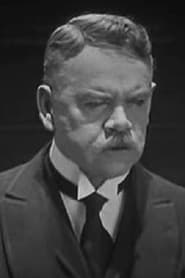
Hardee Kirkland
Actor
Born: March 23, 1868 in Savannah, Georgia, United States Died: February 18, 1929 Active: 1912-1929 Birth Name: William Hardee Kirkland
Films
2 films
About Hardee Kirkland
American actor and director who worked during the silent film era. Born in Savannah, Georgia in 1868, he began his career in the early 1910s, appearing in numerous short films before transitioning to feature-length productions. Kirkland worked as both an actor and director, with his career spanning nearly two decades in the burgeoning film industry. Hardee appears in over 50 films as an actor, often playing character roles, and directed approximately 20 films between 1915 and 1925. His work encompassed various genres including westerns, dramas, and comedies, reflecting the diverse landscape of early American cinema. Kirkland was part of the generation of filmmakers who helped establish the foundations of Hollywood's studio system. He continued working in films until his death in 1929, just as the industry was transitioning from silent films to talkies.
The Craft
On Screen
Kirkland was known for his naturalistic acting style that evolved with the medium, transitioning from theatrical gestures to more subtle performances as film acting techniques developed. He excelled at character roles, often playing authority figures, businessmen, or paternal characters with a commanding presence.
Milestones
- Film debut in 1912 with short films
- Transition to feature films in the mid-1910s
- Directorial debut in 1915
- Peak acting career in the 1920s with supporting roles
- Worked with major studios of the silent era
Best Known For
Iconic Roles
Must-See Films
Working Relationships
Worked Often With
Studios
Why They Matter
Impact on Culture
Hardee Kirkland contributed to the development of American cinema during its formative years, particularly in the western genre which became a cornerstone of Hollywood storytelling. His work as both actor and director exemplified the versatility required of early film professionals who often wore multiple hats. Kirkland was part of the generation that helped establish the conventions of silent film acting and storytelling techniques that would influence subsequent decades of cinema. His participation in the studio system's early days contributed to the industrial model that would dominate Hollywood for much of the 20th century.
Lasting Legacy
Though not as widely remembered as some of his contemporaries, Hardee Kirkland's career represents the typical journey of many silent era professionals who worked diligently behind the scenes and in supporting roles. His filmography serves as a valuable record of early American cinema's development and the types of productions that entertained audiences during the 1910s and 1920s. His work in westerns helped establish genre conventions that would persist for decades. As both actor and director, Kirkland embodied the multidisciplinary nature of early filmmaking when the industry was still defining its professional roles.
Who They Inspired
While not a major innovator, Kirkland's consistent work ethic and professional approach to both acting and directing set an example for the collaborative nature of film production. His performances in numerous westerns contributed to the archetype of the American West in popular culture. His directorial work, though not groundbreaking, maintained the quality standards expected by studios during the silent era, helping establish reliable production methods that would be refined by subsequent generations of filmmakers.
Off Screen
Hardee Kirkland was born into a prominent Southern family in Savannah, Georgia. He came from a lineage that included Confederate General William Joseph Hardee, which influenced his early life and perspectives. Kirkland married and had children, though details about his family life remain relatively private. His career in film represented a significant departure from his family's military and agricultural background. He maintained connections to his Southern roots throughout his life, even as he worked in the burgeoning Hollywood film industry.
Education
Limited information available about formal education; likely received typical education for his social class and era in the South
Family
- Unknown (details not widely documented)
Did You Know?
- Born into a prominent Southern family with military heritage
- Came from the same family as Confederate General William J. Hardee
- Worked during the entire span of the silent film era
- Transitioned from short films to feature-length productions as the industry evolved
- Appeared in both acting and directing capacities, common in early cinema
- Specialized in westerns,
- Career ended just as the transition to sound films was beginning
- Worked with some of the biggest western stars of the era including Tom Mix
- His filmography spans over 50 films as an actor and approximately 20 as director
- Represented the professional studio system approach that dominated Hollywood
In Their Own Words
No widely documented quotes from Hardee Kirkland have survived in historical records
Frequently Asked Questions
Who was Hardee Kirkland?
American actor and on YTB.my. He appeared in over 50 films and directed approximately 20 movies, specializing particularly in westerns and dramatic features. Kirkland was part of the generation of filmmakers who helped establish Hollywood's studio system and contributed to the development of early American cinema.
What films is Hardee Kirkland best known for?
Titles linked here include The Great K&A Train Robbery (1926), The Last Frontier (1926).
When was Hardee Kirkland born and when did he die?
Born March 23, 1868; died February 18, 1929.
What awards did Hardee Kirkland win?
Hardee Kirkland did not receive any major formal awards or nominations during his career. This was common for many character actors and directors of the silent era, as the major award systems like the Academy Awards were just beginning to be established toward the end of his career. His recognition came primarily through his steady employment and contributions to numerous film productions.
What was Hardee Kirkland's acting and directing style?
As an actor, Kirkland was known for naturalistic performances that evolved with film techniques, excelling in character roles and authority figures. His directing style emphasized clear visual storytelling and efficient production values, typical of the studio system approach of his era. He specialized in westerns and action films, focusing on pacing and narrative clarity rather than experimental techniques.