
Films
3 films

About Sanae Yamamoto
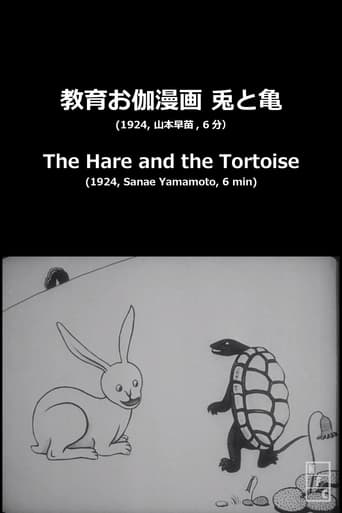
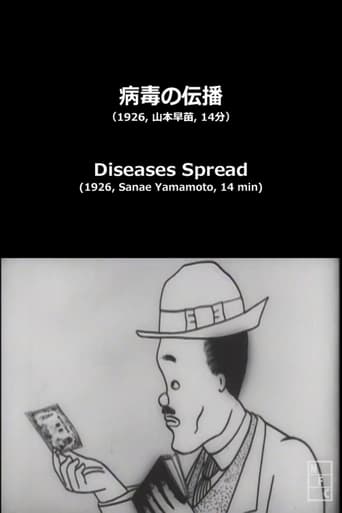
Japanese film director who worked during the silent era of Japanese cinema in the mid-1920s. Active Japanese film history, Yamamoto contributed to the development of early narrative cinema with works that often adapted traditional Japanese stories and folktales. Their brief but notable 1924-1925, during which they directed at least three significant films that reflected both contemporary concerns and cultural heritage. Yamamoto's work 'Ubasuteyama' (1925) demonstrated an early engagement with traditional Japanese folklore, while 'The Hare and the Tortoise' (1924) showed an interest in adapting classic fables for the cinematic medium. The film 'Diseases Spread' suggests Yamamoto also tackled social issues relevant to early 20th-century Japan. Though their career was relatively short, Yamamoto's films represent important examples of early Japanese narrative cinema during a period when the industry was establishing its artistic identity. Their work provides valuable insight into the themes and techniques that characterized Japanese silent filmmaking during this crucial developmental phase.
The Craft
Behind the Camera
Yamamoto's directing style reflected the aesthetic principles of early Japanese silent cinema, emphasizing visual storytelling through composition and movement. Their work demonstrated a focus on adapting traditional Japanese narratives and folktales to the cinematic medium, suggesting a commitment to cultural preservation and education. The director likely employed the techniques common to silent era filmmaking, including exaggerated gestures and visual symbols to convey emotion and narrative progression. Yamamoto's choice of subject matter, ranging from fables to social issues, indicates an interest in both entertainment and social commentary typical of progressive directors of the period.
Milestones
- Directed 'The Hare and the Tortoise' (1924)
- Directed 'Ubasuteyama' (1925)
- Directed 'Diseases Spread' (1924)
- Contributed to early Japanese narrative cinema
- Adapted traditional Japanese folktales for film
Best Known For
Must-See Films
Why They Matter
Impact on Culture
Sanae Yamamoto contributed to the early development of Japanese narrative cinema during a crucial period when the country's film industry was establishing its unique identity. By adapting traditional Japanese stories like 'Ubasuteyama' and classic fables such as 'The Hare and the Tortoise,' Yamamoto helped create a foundation for Japanese cinema's engagement with cultural heritage. Their work represents part of the broader movement in the 1920s to define Japanese cinema as distinct from Western influences while still embracing the new medium's potential. The director's brief filmography provides valuable documentation of the types of stories and themes that resonated with Japanese audiences during the silent era, offering insight into the cultural priorities and artistic sensibilities of the period.
Lasting Legacy
Sanae Yamamoto's legacy lies in their contribution to the foundation of Japanese narrative cinema during its formative years. Though their career was brief and many details of their life remain undocumented, their films serve as important artifacts of early Japanese filmmaking. Yamamoto's work represents the efforts of directors who helped establish storytelling techniques and thematic concerns that would influence subsequent generations of Japanese filmmakers. Their adaptation of traditional material for cinema helped bridge Japan's rich cultural heritage with the new medium of film, contributing to the unique aesthetic that would come to characterize Japanese cinema. While not widely known today, Yamamoto belongs to the generation of early directors whose experimental and innovative work laid the groundwork for the golden age of Japanese cinema that would follow.
Who They Inspired
As an early director in Japanese cinema, Sanae Yamamoto's influence would have been primarily through their early adoption of narrative filmmaking techniques and their engagement with traditional Japanese stories. Their work adapting folktales and fables for the screen likely contributed to establishing precedents for how cultural material could be effectively translated to cinema. While specific records of their influence on other filmmakers are limited, directors like Yamamoto were part of the collective effort that established Japanese cinema's distinctive approach to storytelling, visual composition, and cultural themes that would later influence internationally renowned directors such as Yasujiro Ozu, Kenji Mizoguchi, and Akira Kurosawa.
Off Screen
Very little is documented about Sanae Yamamoto's personal life, which is common for many early Japanese film directors whose records were not systematically preserved. As a filmmaker active in the 1920s, Yamamoto would have worked during a period when the Japanese film industry was still establishing itself and personal documentation of filmmakers was limited.
Did You Know?
- Yamamoto was active during the silent era of Japanese cinema, before the advent of sound in Japanese films
- The film 'Ubasuteyama' is based on a controversial Japanese folktale about abandoning elderly relatives
- 1924-1925 was a period of significant growth in the Japanese film industry
- Many early Japanese films from this period have been lost due to natural disasters and poor preservation
- Directors in the 1920s often had to work quickly due to high demand for new content
- Silent era Japanese directors typically used live narrators called benshi to accompany their films
- The 1920s saw the emergence of 'pure films' (jun eiga) movement in Japan, emphasizing cinematic techniques over theatrical traditions
- Early Japanese cinema often blended traditional storytelling with modern cinematic techniques
- Many early Japanese directors, including Yamamoto, remain obscure due to limited documentation of the era
Frequently Asked Questions
Who was Sanae Yamamoto?
Japanese on YTB.my. They were part of the generation of Japanese filmmakers who helped establish narrative cinema in Japan.
What films is Sanae Yamamoto best known for?
Titles linked here include The Hare and the Tortoise (1924), Ubasuteyama (1925).
When was Sanae Yamamoto active as a director?
Sanae Yamamoto was active as a film director from 1924 to 1925, during the silent era of Japanese cinema. This was a formative period when the Japanese film industry was developing its unique artistic identity.
What was Sanae Yamamoto's directing style?
Yamamoto's directing style reflected the aesthetic principles of early Japanese silent cinema, emphasizing visual storytelling and the adaptation of traditional Japanese narratives. Their work demonstrated a commitment to cultural preservation through film while engaging with both classic fables and contemporary social issues.
What is the significance of Yamamoto's film 'Ubasuteyama'?
'Ubasuteyama' (1925) is significant as an early cinematic adaptation of a controversial Japanese folktale about elderly abandonment. The film represents Yamamoto's engagement with traditional Japanese cultural material and contributes to the documentation of how early Japanese cinema treated sensitive cultural themes.
Why is so little known about Sanae Yamamoto today?
Limited information about Sanae Yamamoto is common for early Japanese filmmakers due to poor documentation of the era, the loss of many films from the period, and the fact that Japanese cinema history has focused more extensively on directors from later periods. Many records from the 1920s were lost in natural disasters and wars.