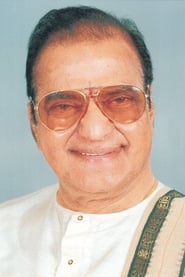
N.T. Rama Rao
Actor
Born: May 28, 1923 in Nimmakuru, Madras Presidency, British India (now Andhra Pradesh, India) Died: January 18, 1996 Active: 1949-1994 Birth Name: Nandamuri Taraka Rama Rao
Films
2 films
About N.T. Rama Rao
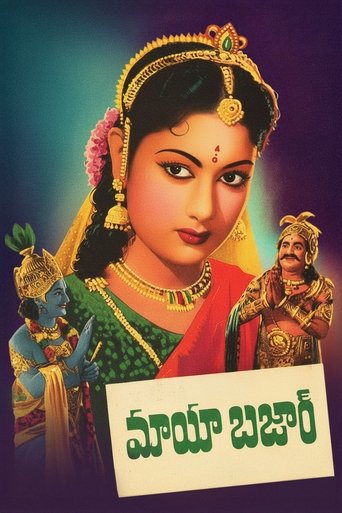
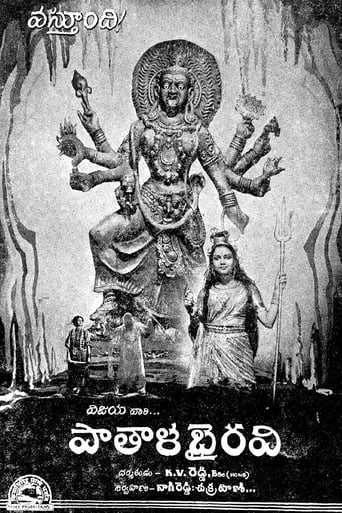
Nandamuri Taraka Rama Rao, widely known as NTR, was a figure in Indian cinema who revolutionized Telugu film industry with his powerful performances and charismatic screen presence. Beginning his career as a government employee, he made his film debut in 1949 with 'Mana Desam' and quickly rose to stardom with his breakthrough role in 'Pathala Bhairavi' (1951). NTR became synonymous with mythological characters, portraying gods like Krishna, Rama, and Venkateswara with such authenticity that audiences began to see him as a divine figure. His performance as Krishna in 'Mayabazar' (1957) is considered one of the greatest in Indian cinema history. Beyond mythology, he excelled in social dramas, folk tales, and action films, starring in over 300 movies during his career. In 1982, he founded the Telugu Desam Party and successfully transitioned into politics, serving three terms as Chief Minister of Andhra Pradesh. NTR's influence extended beyond cinema into politics, where he championed regional pride and welfare programs until his death in 1996.
The Craft
On Screen
NTR was known for his commanding screen presence and powerful dialogue delivery, characterized by deep, resonant voice modulation and dramatic facial expressions. His acting style blended classical Indian theatrical traditions with cinematic techniques, particularly evident in his mythological roles where he used elaborate gestures and intense eye expressions to convey divinity. In social dramas, he adopted a more naturalistic approach while maintaining his trademark intensity. His physical transformation for roles was remarkable, from the playful Krishna to the fierce Rama, each with distinct mannerisms and speech patterns. NTR had the unique ability to make mythological characters relatable to common people, often incorporating folk elements and regional dialects into his performances.
Milestones
- Film debut in 'Mana Desam' (1949)
- Breakthrough performance in 'Pathala Bhairavi' (1951)
- Iconic role as Krishna in 'Mayabazar' (1957)
- Founded Telugu Desam Party in 1982
- Became Chief Minister of Andhra Pradesh (1983)
- Received Padma Shri award (1968)
- Starred in over 300 films
Best Known For
Iconic Roles
Must-See Films
Accolades
Won
- Padma Shri (1968)
- Nandi Award for Best Actor (1978)
- Filmfare Award for Best Actor (Telugu) multiple times
- Raghupathi Venkaiah Award (1981)
Nominated
- Filmfare Award nominations throughout the 1960s-1980s
- Nandi Award nominations for various performances
Special Recognition
- Honorary Doctorate from Andhra University
- Statues erected across Andhra Pradesh and Telangana
- Multiple film awards named in his honor
- Government institutions named after him
- Postal stamps issued in his memory
Working Relationships
Worked Often With
Studios
Why They Matter
Impact on Culture
NTR's impact on Telugu culture and cinema is unparalleled, as he essentially defined the golden age of Telugu film industry. His portrayal of mythological characters created a new standard for religious films in India, making him a cultural icon who blurred the lines between actor and deity. Many temples in Andhra Pradesh displayed his photographs alongside traditional deities, and devotees would seek his blessings. His films preserved and popularized Telugu folklore, classical arts, and cultural traditions for future generations. NTR's transition from cinema to politics demonstrated the powerful connection between film stardom and political influence in India, creating a template followed by many other film actors. His emphasis on Telugu pride and culture helped preserve regional identity during a period of increasing Hindi cultural dominance.
Lasting Legacy
NTR's legacy spans multiple domains - as a cinematic legend who starred in over 300 films, as a political leader who founded a major regional party, and as a cultural icon who embodied Telugu identity. In cinema, he established new benchmarks for mythological and historical storytelling, with films like 'Mayabazar' still considered masterpieces decades later. His political legacy includes the Telugu Desam Party, which continues to be a major force in Andhra Pradesh politics. The NTR family dynasty remains influential in both cinema and politics, with his descendants carrying forward his legacy. Numerous institutions, awards, and monuments bear his name, ensuring his memory endures. His life story has inspired biographical films and continues to be taught as an example of how cinema can transcend entertainment to become a force for social and political change.
Who They Inspired
NTR influenced generations of Telugu actors who emulated his style, particularly in mythological roles. His success in politics inspired other film actors across India to enter politics, including M.G. Ramachandran in Tamil Nadu and later figures like Amitabh Bachchan. His emphasis on regional identity and language pride influenced cultural politics in South India. In cinema, his method of preparing for mythological roles through extensive study of scriptures and classical dance set new standards for character preparation. His production company encouraged new talent and innovative storytelling, influencing the business model of regional cinema. His ability to connect with masses through both cinema and political rhetoric created a new paradigm for celebrity politics in India.
Off Screen
NTR married Basava Tarakam in 1943, and they had twelve children together until her death in 1993. He later married Lakshmi Parvathi in 1993. His family became deeply involved in both cinema and politics, with many of his children and grandchildren becoming successful actors and politicians. NTR was known for his simple lifestyle despite his stardom, maintaining strong connections to his rural roots. He was deeply religious and often incorporated spiritual elements into his public and private life.
Education
Studied at S.R.S. High School in Vijayawada and Andhra Christian College in Machilipatnam; briefly attended college but left to support his family financially
Family
- Basava Tarakam (1943-1993)
- Lakshmi Parvathi (1993-1996)
Did You Know?
- NTR worked as a sub-registrar at Mangalagiri before entering films
- He could speak multiple languages fluently including Telugu, Tamil, and Hindi
- His first film 'Mana Desam' was a cameo appearance where he played a police officer
- He learned classical dance specifically for mythological roles
- NTR produced and directed several films, including the triple role 'Daana Veera Soora Karna'
- He was the first actor to play all the major roles in the Mahabharata across different films
- His political rallies drew crowds larger than most film premieres
- He wrote several books on Telugu culture and politics
- NTR was a skilled mridangam player in his youth
- He turned down offers to work in Hindi cinema to focus on Telugu films
- His film 'Lava Kusa' ran for 100 days in 17 theaters simultaneously, a record at the time
- He was known for his punctuality and would often arrive on set before the director
In Their Own Words
Cinema is not just entertainment, it's a powerful medium to shape society and culture.
When I play Krishna on screen, I become Krishna in my heart and soul.
Politics is the extension of service to people, just as cinema is service to their souls.
Telugu pride is not about superiority, it's about preserving our rich heritage.
If you want to serve people, you must understand their hearts first.
Mythological stories are not just tales, they are the foundation of our moral values.
Frequently Asked Questions
Who was N.T. Rama Rao?
Legendary Telugu film with credits in this catalog. He was particularly famous for his mythological roles and founded the Telugu Desam Party in 1982.
What films is N.T. Rama Rao best known for?
Titles linked here include Mayabazar (1957), Pathala Bhairavi (1951).
When was N.T. Rama Rao born and when did he die?
Born May 28, 1923; died January 18, 1996.
What awards did N.T. Rama Rao win?
NTR received the Padma Shri in 1968, multiple Nandi Awards for Best Actor, several Filmfare Awards, and the Raghupathi Venkaiah Award for his contributions to Telugu cinema.
What was N.T. Rama Rao's acting style?
NTR was known for his powerful screen presence, deep voice, and dramatic expressions, particularly in mythological roles where he blended classical theatrical traditions with cinematic techniques. He made divine characters relatable through authentic performances and regional cultural elements.
How did N.T. Rama Rao influence politics?
NTR founded the Telugu Desam Party in 1982 and became Chief Minister in 1983, championing Telugu pride and welfare programs. He demonstrated how film stardom could translate into political power, inspiring other actors to enter politics across India.
What was N.T. Rama Rao's family background?
NTR was married twice - first to Basava Tarakam (with whom he had 12 children) and later to Lakshmi Parvathi. Many of his children and grandchildren became successful actors and politicians, continuing his legacy in both fields.