
S. V. Ranga Rao
Actor
Born: July 3, 1918 in Nuzvid, Madras Presidency, British India (now Andhra Pradesh, India) Died: July 18, 1974 Active: 1939-1974 Birth Name: Samarla Venkata Ranga Rao
Films
2 films
About S. V. Ranga Rao
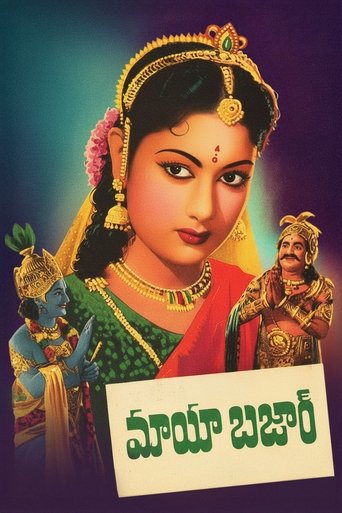
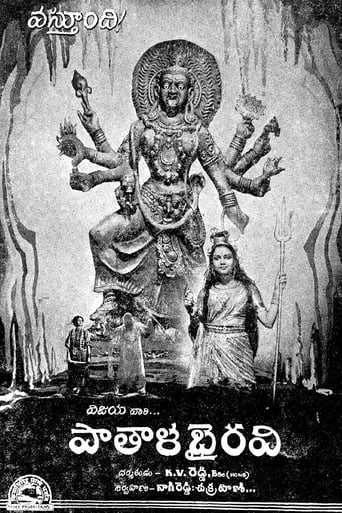
Samarla Venkata Ranga Rao, known professionally as S. V. Ranga Rao, was one of Indian cinema's most character actors, primarily working in Telugu films during the Golden Age of South Indian cinema. Born into a wealthy family in Nuzvid, Andhra Pradesh, he initially pursued agriculture before being discovered by film director L. V. Prasad. His breakthrough came with the film 'Vara Vikrayam' (1939), but it was his performances in mythological and fantasy films that established him as an actor. Ranga Rao revolutionized villainous roles in Indian cinema, bringing depth, dignity, and theatrical brilliance to characters that were previously one-dimensional. His portrayal of Ghatotkacha in 'Mayabazar' (1957) and the sorcerer in 'Pathala Bhairavi' (1951) are considered masterpieces of Indian acting. Despite being typecast as a villain, he brought such charisma and complexity to his roles that audiences often rooted for his characters. He also directed and produced films, demonstrating his multifaceted talent in the film industry. His premature death at age 56 left a void in Telugu cinema that took decades to fill.
The Craft
On Screen
Known for his powerful baritone voice, commanding screen presence, and theatrical delivery. Ranga Rao brought Shakespearean intensity to his roles, combining classical training with naturalistic elements. His acting style featured elaborate gestures, expressive eyes, and the ability to convey complex emotions through subtle facial expressions. He particularly excelled in mythological roles, bringing dignity and depth to characters like Ravana, Duryodhana, and Ghatotkacha.
Milestones
- Breakthrough role in 'Vara Vikrayam' (1939)
- First Indian actor to receive international award at Indonesian Film Festival (1963)
- President's Award for Best Actor for 'Nartanasala' (1963)
- Pioneered complex villainous roles in Indian cinema
- Established own production company 'S.V.R. Productions'
Best Known For
Iconic Roles
Must-See Films
Accolades
Won
- President's Award for Best Actor for 'Nartanasala' (1963)
- Best Actor Award at Indonesian Film Festival for 'Nartanasala' (1963)
- Filmfare Award for Best Actor - Telugu (nomination)
Nominated
- Filmfare Award for Best Actor - Telugu for various films
Special Recognition
- First South Indian actor to receive international recognition
- One of the highest-paid actors of 1950s-60s Indian cinema
- Featured in India Post's commemorative stamp collection
- Statue erected at Film Nagar, Hyderabad
Working Relationships
Worked Often With
Studios
Why They Matter
Impact on Culture
S. V. Ranga Rao transformed the perception of villainous roles in Indian cinema, elevating them from caricatures to complex, memorable characters. His performances in mythological films set new standards for character acting, influencing how mythological stories were portrayed in cinema. He broke cultural barriers by becoming the first Indian actor to win an international acting award, paving the way for Indian cinema's global recognition. His dialogues and mannerisms became part of popular culture, with many of his lines still quoted today. He demonstrated that character actors could achieve stardom and commercial success, changing industry dynamics.
Lasting Legacy
Ranga Rao's legacy endures through his iconic performances that continue to be studied by acting students and admired by audiences. He established a template for sophisticated villainy in Indian cinema that influenced decades of actors. The annual S. V. Ranga Rao Award was instituted to honor excellence in character acting. His films, particularly 'Mayabazar' and 'Nartanasala', are considered timeless classics and are regularly screened at film festivals. Many modern actors cite him as an inspiration for bringing depth and dignity to negative roles. His contribution to Telugu cinema earned him the title 'Nata Sarvabhouma' (Emperor of Acting).
Who They Inspired
Ranga Rao influenced generations of Indian actors, particularly in how they approached character and negative roles. His technique of bringing humanity to antagonistic characters became a standard in Indian cinema. Actors like Amrish Puri in Hindi cinema and Raghuvaran in Tamil cinema acknowledged his influence. His method of preparing for roles, including studying mythology and classical arts, became a model for serious actors. His success proved that character actors could carry films commercially, leading to more substantial roles for supporting actors in Indian cinema.
Off Screen
Ranga Rao came from a wealthy agricultural family and was initially reluctant to enter films. He married Leelavathi in 1947, and they had three children. Despite his stardom, he maintained a simple lifestyle and was known for his generosity, often helping struggling actors and technicians. He was deeply interested in agriculture and maintained farms even at the peak of his career. His death from a heart attack shocked the film industry, and thousands attended his funeral.
Education
Educated in Nuzvid and later studied agriculture; received formal training in classical dance and music which enhanced his acting abilities
Family
- Leelavathi (1947-1974)
Did You Know?
- Was the highest-paid character actor in Indian cinema during the 1950s and 60s
- Could speak multiple languages fluently including Telugu, Tamil, Hindi, and English
- Initially rejected film offers to focus on agriculture
- His role as Ghatotkacha in 'Mayabazar' required 4-5 hours of makeup daily
- Was offered roles in Hollywood but declined to focus on Indian cinema
- Owned a successful agricultural business alongside his film career
- His death scene in 'Missamma' is considered one of cinema's most powerful death performances
- Was a trained classical dancer which helped in his mythological roles
- Never used stunt doubles, performing all his own stunts
- His voice was considered so powerful that sound engineers had to adjust recording levels specially for him
In Their Own Words
Acting is not just performing; it's becoming the character and living their emotions
A villain should not just be evil; he should have a reason for his actions that the audience can understand
Cinema is the most powerful medium to reach the masses, and we must use it responsibly
Mythological stories are not just entertainment; they are our cultural heritage
Frequently Asked Questions
Who was S. V. Ranga Rao?
Legendary Indian with credits in this catalog. He revolutionized villainous and character roles in Indian cinema, bringing depth and dignity to negative characters. He was the first Indian actor to win an international acting award and is remembered for iconic performances in films like 'Mayabazar' and 'Pathala Bhairavi'.
What films is S. V. Ranga Rao best known for?
Titles linked here include Mayabazar (1957), Pathala Bhairavi (1951).
When was S. V. Ranga Rao born and when did he die?
Born July 3, 1918; died July 18, 1974.
What awards did S. V. Ranga Rao win?
He won the President's Award for Best Actor for 'Nartanasala' (1963) and became the first Indian actor to win the Best Actor Award at the Indonesian Film Festival for the same film. He received numerous other honors and was one of the highest-paid actors of his era.
What was S. V. Ranga Rao's acting style?
Ranga Rao was known for his powerful baritone voice, theatrical delivery, and commanding screen presence. He brought Shakespearean intensity to his roles, combining classical training with naturalistic elements. His acting featured elaborate gestures and the ability to convey complex emotions, particularly excelling in mythological roles where he brought unprecedented depth to characters like Ravana and Duryodhana.