
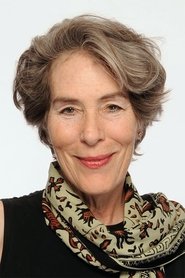
Mary Woronov
Actor
Born: December 8, 1943 in Palm Beach, Florida, USA Active: 1960s-present
Films
1 film
About Mary Woronov
Mary Woronov is an American actor, writer, painter, and performance artist best known for her fierce, deadpan screen presence and her association with the Andy Warhol Factory and the underground cinema scene of the 1960s and 1970s. She was born in Palm Beach, Florida, and first came to prominence as part of the Chelsea Girls orbit, quickly becoming recognizable faces in Warhol-related films. Although the prompt references Night of the Dark Full Moon (1972), Mary Woronov's career is primarily identified with post-classic, underground, exploitation, and cult cinema rather than the silent era or early Hollywood talkies. She became especially well known for playing bold, intimidating, often authoritarian women, and her delivery was marked by a cool, sardonic intensity that made her memorable in both art films and genre pictures. Over the decades she built a long career in film, television, and stage work, often appearing in horror, science fiction, and cult favorites where her distinctive persona stood out. In addition to acting, she has also written memoirs and fiction and has remained a significant figure in New York and Los Angeles underground arts culture. Her career is notable for its consistency, her embrace of unconventional material, and her status as a cult icon whose influence extends well beyond mainstream Hollywood.
The Craft
On Screen
Woronov's acting style is defined by a deadpan, razor-edged delivery, striking physical poise, and an ability to project menace, sarcasm, or sardonic wit with minimal effort. She often uses stillness, a steely gaze, and clipped line readings to dominate a scene, giving her characters a memorable sense of control or dangerous unpredictability. Her performances frequently balance camp, severity, and dark humor, which made her especially effective in cult cinema and subversive genre work. Rather than relying on broad emotional display, she tends to create character through attitude, timing, and an unmistakable screen persona.
Milestones
- Became one of the best-known performers associated with Andy Warhol's Factory and underground cinema
- Gained cult-film prominence through appearances in films such as Chelsea Girls, Paul Bartel's films, and numerous horror and science-fiction titles
- Established a memorable screen persona as a cool, commanding, often villainous or authoritarian woman
- Built a long career across independent film, television guest roles, stage work, writing, and visual art
- Published books and memoirs that documented her life in underground art and film circles
- Became a durable cult figure whose performances continue to be cited by fans of exploitation, punk, and New York art cinema
Best Known For
Iconic Roles
Must-See Films
Accolades
Special Recognition
- Cult film icon status
- Enduring recognition within underground cinema and Warhol-related art history
Working Relationships
Worked Often With
Studios
Why They Matter
Impact on Culture
Mary Woronov became a defining presence in underground and cult cinema, helping to shape the look and attitude of Warhol-adjacent performance culture and later exploitation filmmaking. Her cool, authoritarian, and often unnerving screen persona offered a striking alternative to conventional feminine archetypes in mainstream American film. She became especially important to fans of queer, punk, and countercultural cinema because she embodied an uncompromising artistic independence and a refusal to soften her image for mass-market appeal. Her work helped bridge the worlds of avant-garde art, satirical comedy, horror, and low-budget genre film, giving those spaces a performer who could be both stylish and threatening in equal measure.
Lasting Legacy
Woronov's lasting legacy lies in her status as a cult-cinema legend and an emblem of the New York underground's creative freedom. She is remembered not only for individual performances but for the larger persona she brought to screen culture: intelligent, severe, witty, and defiantly unconventional. Her work remains influential among independent filmmakers and performers who value strong character acting, anti-glamour, and a willingness to inhabit eccentric or subversive material. In film history, she stands as one of the key female figures to emerge from the Warhol Factory and.
Who They Inspired
Mary Woronov influenced later generations of actors and filmmakers interested in camp, punk aesthetics, underground performance, and strong female antagonists. Her deadpan style and commanding presence can be seen echoed in later cult cinema heroines and villainesses, especially in films that mix satire with genre elements. She also helped validate the creative possibility of moving fluidly between experimental art film, horror, comedy, and exploitation without treating any of them as lesser forms. Her career demonstrated that an actor could build long-lasting cultural significance outside the studio system by cultivating a distinctive persona and trusting unconventional material.
Off Screen
Mary Woronov has long been associated with avant-garde art, New York underground culture, and the countercultural scene that surrounded Andy Warhol. She later married actor and filmmaker Bruce Robinson; sources commonly note the marriage but not extensive public detail about the relationship. Beyond acting, she has been active as a writer and painter, and her public persona has often reflected an independent, outspoken artistic life. She has maintained a strong identity outside the Hollywood mainstream, which helped define her appeal as a cult and underground figure.
Education
Publicly documented details of her formal education are limited in standard film references; she is best known for her early involvement in the New York underground arts scene rather than conventional acting-school training.
Family
- Bruce Robinson
Did You Know?
- She became closely identified with the Andy Warhol Factory scene in New York.
- Her screen presence often relied on deadpan humor and a highly controlled, intimidating delivery.
- She worked in a wide range of cult genres, including horror, science fiction, and satirical comedy.
- She is also a published writer and has written memoirs and fiction.
- She has worked as a painter in addition to acting.
- She is frequently cited by cult-film fans as one of the great character performers of underground cinema.
- Her filmography reflects a rare ability to move from art-house experimentation to low-budget genre pictures without losing her identity.
- She is not a classic silent-era or early-talkies figure; she is a postwar underground and cult-cinema personality.
- Her association with Paul Bartel's work helped cement her reputation as a sharp, funny, and formidable screen presence.
Frequently Asked Questions
Who was Mary Woronov?
Mary Woronov is an American actor, writer, painter, and performance artist best known for her work in underground, cult, and genre cinema. She became famous through her association with Andy Warhol's Factory and later through memorable roles in horror, satire, and exploitation films.
What films is Mary Woronov best known for?
Titles linked here include Chelsea Girls, Eating Raoul.
When was Mary Woronov born and where was she born?
Born December 8, 1943; died death date not listed.
What awards did Mary Woronov win?
She is not widely documented as a major mainstream award winner in standard film references. Her recognition is more strongly tied to cult status, underground cinema history, and enduring appreciation from fans and critics.
What was Mary Woronov's acting style?
Her acting style is cool, deadpan, sharply timed, and often deliberately severe or sardonic. She uses stillness, line delivery, and presence to make characters feel dangerous, funny, or commanding without broad theatrics.
What is Mary Woronov's legacy in film history?
Her legacy is that of a cult-cinema icon and. She helped define an alternative screen femininity that was intellectual, confrontational, and stylishly anti-mainstream.