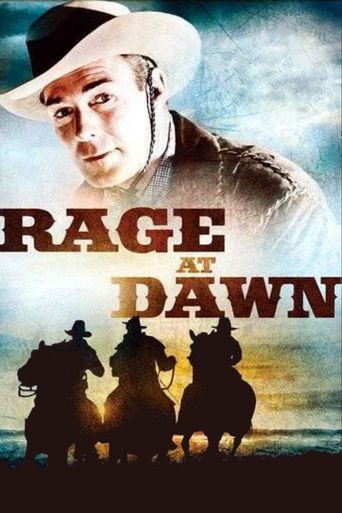
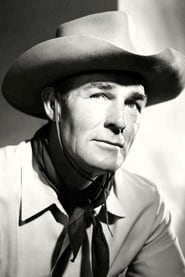
Randolph Scott
Actor
Born: January 23, 1898 in Orange County, Virginia, USA Died: March 2, 1987 Active: 1928-1962 Birth Name: George Randolph Scott
Films
3 films
About Randolph Scott
Randolph Scott, born George Randolph Scott, was one of Hollywood's most enduring and beloved Western stars, whose over three decades from the silent era through the Golden Age of Hollywood. After serving in World War I and attending Georgia Tech, Scott began his film career in 1928 as an extra and quickly rose to leading man status in the early 1930s. He initially appeared in various genres including dramas, comedies, and adventure films before finding his true calling in Westerns in the late 1940s. Scott's career reached its zenith in the 1950s when he formed a partnership with director Budd Boetticher, creating a series of critically acclaimed Westerns that redefined the genre. His final film, 'Ride the High Country' (1962), directed by Sam Peckinpah, is now considered a masterpiece and a fitting capstone to his career. Throughout his 35-year career, Scott appeared in over 100 films and became synonymous with the stoic, honorable Western hero, earning a place among cinema's most cowboys.
The Craft
On Screen
Randolph Scott developed a distinctive acting style characterized by his stoic, laconic demeanor and minimal dialogue delivery. His screen persona was that of the strong, silent type - a man of few words but decisive action, embodying the ideals of the American West. Scott's technique relied heavily on his imposing physical presence, piercing gaze, and subtle facial expressions to convey emotion. He was known for his naturalistic approach, avoiding the theatrical mannerisms common in early cinema. His later performances showed remarkable depth and complexity, particularly in his collaborations with Budd Boetticher, where he portrayed aging, world-weary protagonists with psychological nuance. Scott's horse riding skills and authenticity in Western settings added credibility to his performances, making him.
Milestones
- Film debut in 'Sharp Shooters' (1928)
- First leading role in 'The Virginian' (1929)
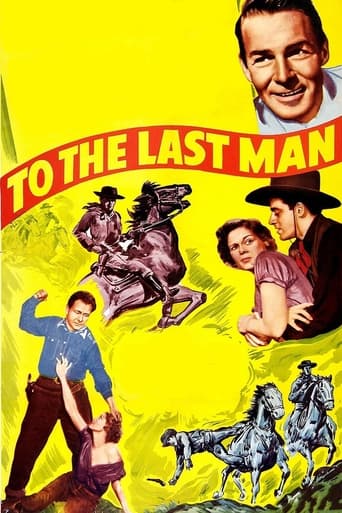
- Breakthrough performance in 'To the Last Man' (1933)
- Formation of Ranown Productions in 1955
- Collaboration with director Budd Boetticher on seven Westerns (1956-1960)
- Final acclaimed film 'Ride the High Country' (1962)
- Star on Hollywood Walk of Fame (1960)
- Induction into Western Performers Hall of Fame (1980)
Best Known For
Iconic Roles
Must-See Films
Accolades
Won
- Golden Boot Award (1972)
- Western Heritage Award for 'Ride the High Country' (1962)
Nominated
- Golden Globe nomination for Best Actor for 'Ride the High Country' (1963)
Special Recognition
- Hollywood Walk of Fame Star (1960)
- Western Performers Hall of Fame (1980)
- National Cowboy & Western Heritage Museum Hall of Great Western Performers (1975)
- Golden Boot Award Hall of Fame
Working Relationships
Worked Often With
Studios
Why They Matter
Impact on Culture
Randolph Scott significantly shaped the American Western genre, helping to transform it from simple morality tales to more complex, psychologically rich narratives. His collaboration with director Budd Boetticher in the late 1950s created what critics now call the 'Ranown Cycle' - a series of Westerns that influenced the revisionist Western movement of the 1960s and 1970s. Scott's stoic, minimalist acting style became a template for future Western actors, particularly Clint Eastwood, who cited Scott as a major influence. His films often explored themes of aging, loneliness, and moral ambiguity in the American West, adding depth to the genre. Scott's box office success helped establish the Western as a commercially viable genre throughout the 1930s-1950s. His final film, 'Ride the High Country,' is now recognized as a masterpiece that bridged classic Hollywood Westerns with the more cynical, complex Westerns that would follow.
Lasting Legacy
Randolph Scott's legacy endures as one of cinema's most iconic Western stars, representing the archetypal American cowboy with dignity and authenticity. His body of work, particularly the seven films made with Budd Boetticher, is now considered among the finest achievements in Western cinema, influencing generations of filmmakers and actors. The 'Ranown Cycle' of Westerns has been studied extensively by film scholars for its innovative storytelling and psychological depth. Scott's business acumen and formation of his own production company also set a precedent for actors taking creative control of their careers. His influence can be seen in the work of directors like Sam Peckinpah and Clint Eastwood, who both acknowledged his impact. The preservation and restoration of his films by organizations like the Criterion Collection have introduced his work to new audiences, cementing his status as a cinematic legend. Today, Scott is remembered not just as a movie star, but as an artist who elevated the Western genre to new artistic heights.
Who They Inspired
Randolph Scott influenced numerous actors and directors, most notably Clint Eastwood, who modeled his 'Man with No Name' persona after Scott's stoic Western characters. Directors such as Sam Peckinpah, Don Siegel, and Sergio Leone studied Scott's films for their visual style and character development. His minimalist acting technique influenced actors like Steve McQueen and Paul Newman, who adopted similar approaches to conveying emotion through subtlety rather than overt expression. The psychological complexity of Scott's later Westerns paved the way for the revisionist Westerns of the 1960s and 1970s. His successful production company, Ranown Productions, inspired other actors to form their own production companies for greater creative control. Film scholars and critics continue to analyze his work, particularly the Budd Boetticher collaborations, as masterpieces of American cinema that influenced the auteur theory and genre studies.
Off Screen
Randolph Scott led a relatively private personal life marked by his famous long-term relationship with actor Cary Grant, with whom he shared a beach house in Malibu for twelve years in the 1930s and early 1940s. Despite rumors about their relationship, both men maintained they were just roommates and business partners. Scott married twice: first to heiress Marion DuPont in 1936 (divorced 1939), and then to actress Patricia Stillman in 1944, with whom he remained until his death. He had two children with Patricia: Christopher and Sandra. Scott was known for his business acumen, making wise investments that made him wealthy, and he owned several successful businesses including a production company. He was also an accomplished polo player and enjoyed hunting and fishing. In his later years, he lived quietly on his estate in Beverly Hills, rarely giving interviews and maintaining his privacy.
Education
Attended Georgia Institute of Technology (Georgia Tech) but did not graduate; left to serve in World War I
Family
- Marion DuPont Somerville (1936-1939)
- Patricia Stillman (1944-1987)
Did You Know?
- Was a decorated World War I veteran, serving in the U.S. Army as an artillery observer
- Stood 6'2" tall and was known for his distinctive mustache in early films
- Was one of the wealthiest actors in Hollywood due to smart real estate investments
- Shared a beach house with Cary Grant for 12 years, fueling decades of speculation about their relationship
- Turned down the lead role in 'High Noon' (1952) which went to Gary Cooper
- His production company Ranown Productions was named after combining 'Randolph' and 'Brown' (producer Harry Joe Brown)
- Was an accomplished polo player and owned several champion horses
- Refused to do television work, believing it would diminish his film career
- His final film 'Ride the High Country' was initially a box office failure but is now considered a masterpiece
- Was a close friend of Howard Hughes and was considered for roles in several of his films
- Spoke fluent French and considered moving to France in his later years
- Was offered the role of Marshal Will Kane in 'High Noon' but declined, feeling he was too old for the part
In Their Own Words
I'm not a great actor, but I'm a believable cowboy. The camera doesn't lie, and I've ridden horses all my life.
In Westerns, you don't have to act. You just have to be natural and ride a horse well.
I've made over 100 pictures and I'm proud of most of them. I've never made a picture I was ashamed of.
The Western is the only true American art form. It tells our story better than anything else.
I don't need to be a star. I just want to make good pictures that people will remember.
When you're making a Western, you have to understand the land. The land is as important as any character.
Frequently Asked Questions
Who was Randolph Scott?
Randolph Scott was one of Hollywood's most iconic Western stars, appearing in over 100 films during a career that spanned from 1928 to 1962. He was particularly famous for his stoic, laconic portrayals of cowboys and his collaborations with director Budd Boetticher in the late 1950s.
What films is Randolph Scott best known for?
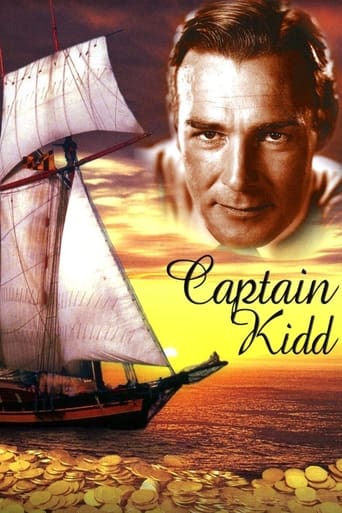
Titles linked here include To the Last Man (1933), Captain Kidd (1945).
When was Randolph Scott born and when did he die?
Born January 23, 1898; died March 2, 1987.
What awards did Randolph Scott win?
While Randolph Scott never received an Academy Award nomination during his active career, he won the Golden Boot Award in 1972 and received a Western Heritage Award for 'Ride the High Country'. He was posthumously inducted into the Western Performers Hall of Fame and received a star on the Hollywood Walk of Fame.
What was Randolph Scott's acting style?
Scott developed a distinctive minimalist acting style characterized by his stoic demeanor, laconic dialogue delivery, and subtle facial expressions. He embodied the strong, silent type, conveying emotion through his imposing physical presence and piercing gaze rather than theatrical gestures.
Did Randolph Scott have any famous relationships?
Scott had two marriages - to Marion DuPont (1936-1939) and Patricia Stillman (1944-1987), with whom he had two children. He also had a famous long-term living arrangement with actor Cary Grant from 1933 to 1945, which has been the subject of much speculation but was described by both men as a platonic roommate situation.
How did Randolph Scott influence Western films?
Scott helped transform Westerns from simple morality tales to psychologically complex narratives, particularly through his collaboration with Budd Boetticher. His stoic persona influenced later Western actors like Clint Eastwood, and his production company Ranown Productions set precedents for actor-controlled filmmaking.
What was Randolph Scott's final film?
Scott's final film was 'Ride the High Country' (1962), directed by Sam Peckinpah and co-starring Joel McCrea. Initially a box office disappointment, the film is now considered a masterpiece of the Western genre and a fitting capstone to Scott's career.