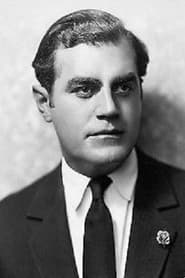
Harry Woods
Actor
Born: May 5, 1889 in Cleveland, Ohio, USA Died: October 28, 1968 Active: 1928-1958 Birth Name: Harry Lewis Woods
Films
1 film
About Harry Woods
Prolific American character actor: three decades of Hollywood's Golden Age. Born in 1889, he began his film career in the late 1920s, appearing in both silent films and early talkies. Woods quickly established himself as one of Hollywood's most reliable character actors, specializing in portraying villains, gangsters, and tough authority figures. His imposing physical presence, standing over 6 feet tall with a stern demeanor, made him a natural choice for antagonist roles. Throughout the 1930s and 1940s, he appeared in over 200 films, working with virtually every major studio and appearing alongside Hollywood's biggest stars. Woods was particularly prominent in westerns, where he often played corrupt officials, ruthless land barons, or outlaw leaders. His career continued successfully through the 1950s, with numerous appearances in television westerns before his retirement from acting. He passed away in 1968, leaving behind a as one of cinema's most recognizable supporting players.
The Craft
On Screen
Woods was known for his intimidating screen presence and distinctive gravelly voice. He specialized in playing tough, unsympathetic characters with a menacing demeanor. His acting style was naturalistic yet commanding, often using his physical stature and stern facial expressions to create memorable antagonists. Woods had the ability to convey menace with minimal dialogue, making him particularly effective in silent films and early talkies.
Milestones
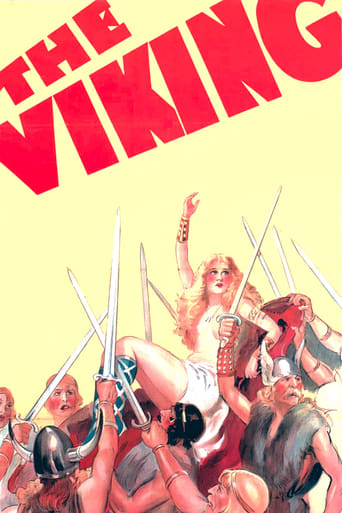
- Film debut in The Viking (1928)
- Appeared in over 200 films during his 30-year career
- Became one of Hollywood's most recognizable character actors
- Specialized in westerns and film noir
- Transitioned successfully from silent films to talkies
- Prolific television work in the 1950s
Best Known For
Iconic Roles
Must-See Films
Accolades
Special Recognition
- Hollywood Walk of Fame star (contributions to motion pictures)
Working Relationships
Worked Often With
Studios
Why They Matter
Impact on Culture
Harry Woods became an iconic figure in American cinema as. His consistent portrayal of villains and antagonists helped establish many of the archetypal characters that would define the western and film noir genres. Woods' ability to create memorable, menacing characters with limited screen time influenced how supporting villains were cast and portrayed in Hollywood films. His work contributed to the visual language of American cinema, particularly in defining the look and demeanor of the classic western antagonist.
Lasting Legacy
Harry Woods left an indelible mark on Hollywood as. With over 200 film appearances, he became a familiar face to generations of moviegoers, even if they didn't always know his name. His legacy lives on through the countless classic films in which he appeared, many of which are considered masterpieces of American cinema. Woods' career represents the importance of character actors in creating the rich, textured worlds of classic Hollywood films, and his work continues to be studied and appreciated by film historians and enthusiasts.
Who They Inspired
Woods influenced generations of character actors who specialized in playing villains and antagonists. His naturalistic yet intimidating approach to villainy set a standard for supporting characters in westerns and crime films. Many actors who followed in his footsteps studied his technique for creating memorable characters with limited screen time. His ability to transition from silent films to talkies successfully also provided a model for other actors facing the challenges of the sound era.
Off Screen
Harry Woods was married twice during his lifetime. He was known for being a dedicated family man despite his frequent portrayal of villains on screen. Woods maintained a relatively private personal life, focusing on his craft and avoiding the Hollywood social scene. After retiring from acting, he lived a quiet life in Los Angeles until his death in 1968.
Education
Limited information available, likely attended local schools in Cleveland, Ohio before entering show business
Family
- Virginia Vance (1926-1947, until her death)
- June Hildreth (1948-1968, until his death)
Did You Know?
- Appeared in over 200 films during his 30-year career
- Often confused with other actors named Harry Woods from different eras
- His son Harry Woods Jr. Also became an actor
- Despite playing villains, was known as a kind and gentle person off-screen
- Was one of the few actors who successfully transitioned from silent films to talkies without losing momentum
- Often worked for scale to stay employed during the Great Depression
- His distinctive voice made him particularly effective in radio dramas
- Appeared in films with virtually every major star of Hollywood's Golden Age
- Was a favorite of director John Ford for western roles
- His final film appearance was in Rio Bravo (1959)
In Their Own Words
I've been killed more times than any actor in Hollywood - but I always come back for another picture.
Playing the heavy isn't about being evil, it's about being convincing. The audience has to believe you're the real deal.
In the 1930s, you were lucky to work. I took whatever parts they offered me and tried to make them memorable.
Frequently Asked Questions
Who was Harry Woods?
Prolific American character with credits in this catalog. He specialized in westerns and film noir, becoming one of Hollywood's most recognizable supporting players during the Golden Age of cinema.
What films is Harry Woods best known for?
Titles linked here include The Viking (1928), The Big Sleep (1946).
When was Harry Woods born and when did he die?
Born May 5, 1889; died October 28, 1968.
What awards did Harry Woods win?
While Harry Woods didn't receive major acting awards during his career, he was honored with a star on the Hollywood Walk of Fame for his contributions to motion pictures. His recognition came primarily through his prolific work and the respect of his peers in the industry.
What was Harry Woods' acting style?
Woods was known for his intimidating screen presence, distinctive gravelly voice, and naturalistic yet commanding performances. He specialized in creating menacing characters with minimal dialogue, using his physical stature and stern expressions to convey threat effectively.