Mia May
Actor
Born: June 2, 1884 in Vienna, Austria-Hungary Died: October 28, 1980 Active: 1912-1924 Birth Name: Hermine Pfleger
Films
2 films
About Mia May
Mia May, born Hermine Pfleger, was a prominent Austrian actress who became stars of German silent cinema during the 1910s and early 1920s. She began her career on the Viennese stage before transitioning to film, where she quickly rose to fame through her collaborations with director Joe May, whom she later married. May established herself as a versatile performer, excelling in dramatic roles, adventure films, and romantic melodramas that showcased her expressive acting style suited for the silent medium. Her most notable work includes starring in her husband's ambitious productions, particularly the two-part epic 'The Indian Tomb' (1921), which demonstrated her ability to carry large-scale international productions. After establishing a successful career in Germany, she and her husband emigrated to the United States following the rise of the Nazi regime, though her American film career was limited. May retired from acting in the mid-1920s to focus on family life, leaving behind a legacy as one of Austria's early film pioneers who helped shape German silent cinema's golden age.
The Craft
On Screen
Known for her expressive and naturalistic acting style that was well-suited for silent cinema, Mia May emphasized subtle facial expressions and body language to convey complex emotions. Her performances were characterized by a combination of grace, intensity, and emotional depth that allowed her to excel in both dramatic and romantic roles. She had a particular talent for portraying strong, independent female characters who drove the narrative forward, making her a favorite among audiences who appreciated more proactive heroines in silent films.
Milestones
- Starred in the epic 'The Indian Tomb' (1921)
- Founded Mia-May-Film production company
- Became one of Germany's highest-paid actresses in the 1910s
- Successfully transitioned from stage to film
- Collaborated extensively with husband-director Joe May
- Appeared in over 40 films during her career
Best Known For
Iconic Roles
Must-See Films
Accolades
Special Recognition
- Honored as a pioneer of Austrian cinema
- Recognized in film retrospectives for contributions to German silent film
Working Relationships
Worked Often With
Studios
Why They Matter
Impact on Culture
Mia May played a significant role in establishing the star system in German silent cinema, becoming one of the first true film celebrities in Austria and Germany. Her success demonstrated the commercial viability of female-led films and helped pave the way for more complex and substantial roles for women in European cinema. Through her production company, she also contributed to the business side of early film development, showing that actresses could be entrepreneurs in the emerging film industry. Her work in international co-productions like 'The Indian Tomb' helped establish connections between German and Indian cinema markets.
Lasting Legacy
Mia May's legacy endures as a figure in Austrian and German silent cinema who helped shape the early film industry through both her artistic contributions and business acumen. She is remembered for her powerful screen presence and for being part of one of early cinema's most influential creative partnerships with Joe May. Film historians recognize her as an important transitional figure who helped bridge theatrical acting traditions with the new medium of cinema. Her films continue to be studied and screened at classic film festivals, preserving her contribution to cinematic history.
Who They Inspired
Mia May influenced subsequent generations of European actresses through her naturalistic acting style and her portrayal of strong, independent female characters. Her success as both an actress and producer demonstrated the possibilities for women to take on leadership roles in the film industry, inspiring future female filmmakers. Her work with husband Joe May helped establish the template for creative partnerships in cinema, showing how personal and professional collaboration could result in groundbreaking artistic achievements.
Off Screen
Mia May married director Joe May in 1902, and their personal and professional partnership became. The couple had one daughter, Eva May, who also became an actress but tragically died young by suicide in 1924. The family emigrated to the United States in 1933 to escape the rising Nazi regime in Germany, settling in Hollywood where they continued their involvement in the film industry in various capacities. After retiring from acting, Mia May focused on her family and supported her husband's continued directorial work.
Education
Trained in theater and acting in Vienna, though specific educational institutions are not documented
Family
- Joe May (1902-1955, his death)
Did You Know?
- Was one of the highest-paid actresses in Germany during the 1910s
- Founded her own production company, Mia-May-Film, in 1918
- Her real name Hermine Pfleger was changed to Mia May for her film career
- The Indian Tomb was originally intended to be directed by Fritz Lang but was taken over by her husband
- She and Joe May were considered one of the power couples of early German cinema
- Her daughter Eva May was also a successful actress before her tragic early death
- The family fled Germany in 1933 due to their Jewish heritage
- Lived to be 96 years old, outliving most of her silent film contemporaries
- Appeared in over 40 films during her 12-year career
- Was known for performing many of her own stunts in adventure films
In Their Own Words
The silent screen demands not words, but the language of the soul through the eyes and body
In cinema, as in life, the greatest stories are those that touch the heart without needing to speak
My partnership with Joe May was not just marriage, but a meeting of artistic minds that created magic on screen
Frequently Asked Questions
Who was Mia May?
Austrian actress who became. Born Hermine Pfleger, she was married to director Joe May and starred in many of his productions, including the epic 'The Indian Tomb' (1921).
What films is Mia May best known for?
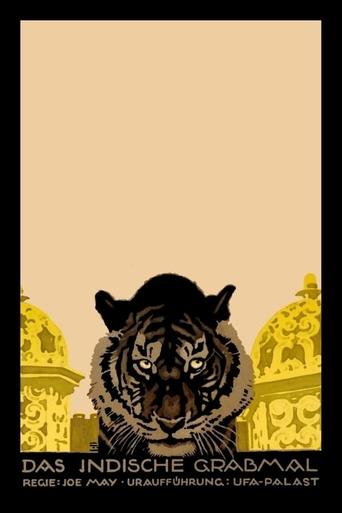
Titles linked here include The Indian Tomb, Part I: The Mission of the Yoghi (1921), The Indian Tomb, Part II: The Tomb of Love (1921).
When was Mia May born and when did she die?
Born June 2, 1884; died October 28, 1980.
What awards did Mia May win?
While specific contemporary awards for silent film actors were limited, Mia May was recognized as one of Germany's highest-paid and most popular actresses of her time. She has been honored posthumously for her contributions to Austrian and German cinema in film retrospectives and classic cinema celebrations.
What was Mia May's acting style?
Mia May was known for her expressive and naturalistic acting style that emphasized subtle facial expressions and body language perfect for silent cinema. She specialized in portraying strong, independent female characters and brought emotional depth and grace to both dramatic and romantic roles.
How was Mia May related to Joe May?
Mia May was married to director Joe May from 1902 until his death in 1955. Their marriage was both personal and professional, with Mia starring in many of Joe's films and the couple becoming.
Did Mia May work in Hollywood?
While Mia May and her husband emigrated to the United States in 1933 and settled in Hollywood, her American film career was limited. She had largely retired from acting by the time they moved to America, focusing instead on family life while her husband continued directing in Hollywood.