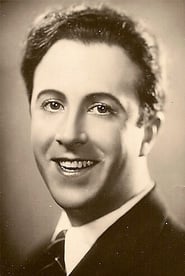
Juan de Orduña
Actor
Born: December 27, 1900 in Valencia, Spain Died: February 3, 1974 Active: 1925-1974 Birth Name: Juan de Orduña y Fernández-Shaw
Films
1 film
About Juan de Orduña
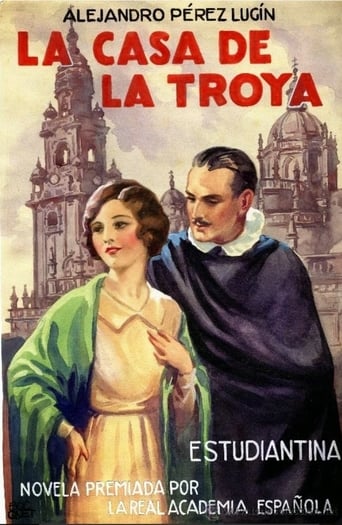
Figure in Spanish cinema who began his career as an actor in the silent era before transitioning to become one of Spain's most respected directors. Born in Valencia in 1900, he made his acting debut in the 1925 silent film 'La casa de la Troya,' which would prove to be his only significant acting role before moving behind the camera. After this brief acting stint, Orduña quickly found his true calling in directing, establishing himself as a prominent filmmaker during the Golden Age of Spanish cinema. Throughout the 1940s and 1950s, he directed numerous successful films that became classics of Spanish cinema, including historical epics and popular melodramas. His directorial work spanned over four decades, during which he helped shape the identity of Spanish national cinema. Orduña's films often explored themes of Spanish history, tradition, and cultural identity, making him a significant cultural figure beyond just his cinematic contributions. Despite his brief acting career, his legacy as one of Spain's foundational directors remains substantial and influential.
The Craft
On Screen
As a silent film actor in 1925, Orduña likely employed the exaggerated gestures and dramatic expressions typical of the era, though his brief acting career provides limited evidence of his specific techniques. His performance style would have been influenced by the theatrical traditions of Spanish stage acting adapted for the silent medium.
Milestones
- Acting debut in 'La casa de la Troya' (1925)
- Transitioned to directing in the 1930s
- Directed 'Locura de amor' (1948), one of Spain's biggest box office successes
- Created historical epic 'Agustina de Aragón' (1950)
- Directed 'La leona de Castilla' (1951)
- Established production company Balcázar Producciones Cinematográficas
Best Known For
Iconic Roles
Must-See Films
Accolades
Won
- Círculo de Escritores Cinematográficos Award for Best Director (1951)
- Medalla al Mérito en el Trabajo (1967)
- National Prize for Cinematography (1972)
Nominated
- Cannes Film Festival Palme d'Or nomination for 'La leona de Castilla' (1951)
- Cannes Film Festival Grand Prize nomination for 'El último cuplé' (1957)
Special Recognition
- Named 'Académico de Honor' by the Academy of Cinematographic Arts and Sciences of Spain
- Posthumous tribute at the San Sebastián International Film Festival (1974)
- Multiple Spanish film festivals have held retrospectives of his work
Working Relationships
Worked Often With
Studios
Why They Matter
Impact on Culture
Juan de Orduña played a crucial role in establishing Spanish cinema as a cultural force during the mid-20th century. His films helped define Spanish national identity during a period of political isolation, creating a cinematic language that was distinctly Spanish yet internationally accessible. His historical epics and melodramas became cultural touchstones for generations of Spaniards, preserving and popularizing Spanish history, literature, and traditions through the medium of film. During Franco's regime, Orduña managed to create commercially successful films that sometimes subtly challenged conventional narratives, making him an important cultural mediator between official ideology and popular sentiment.
Lasting Legacy
Juan de Orduña's legacy as one of the foundational directors of Spanish cinema remains significant decades after his death. His films are regularly studied in Spanish film schools and have been restored and preserved as part of Spain's cultural heritage. The success of his historical epics demonstrated that Spanish cinema could compete with Hollywood productions on both artistic and commercial levels. Many of his films, particularly 'Locura de amor' and 'El último cuplé,' are considered classics that continue to influence Spanish filmmakers and are frequently referenced in contemporary Spanish culture. His transition from actor to director also serves as an inspiration for Spanish film professionals seeking to expand their creative roles within the industry.
Who They Inspired
Orduña influenced generations of Spanish directors through his mastery of commercial cinema with artistic merit. His ability to blend entertainment with cultural education set a template for subsequent Spanish filmmakers. Directors such as Luis García Berlanga and Carlos Saura have acknowledged his influence on their work. His emphasis on Spanish themes and stories helped establish a tradition of national cinema that continues to inspire contemporary Spanish filmmakers seeking to tell distinctly Spanish stories for international audiences.
Off Screen
Juan de Orduña came from a family; his father was a military officer and his mother belonged to the literary Fernández-Shaw family. He married actress Amparo Rivelles in 1940, though the marriage ended in divorce. He later married actress Mercedes Sampietro. Orduña was known for his dedication to Spanish cinema and his efforts to establish a robust national film industry during challenging political and economic times.
Education
Studied at the Escuela Superior de Arte Dramático in Madrid; received military training as was customary for his social class
Family
- Amparo Rivelles (1940-1944)
- Mercedes Sampietro (1963-1974)
Did You Know?
- His only acting role was in the 1925 silent film 'La casa de la Troya' before he transitioned to directing
- Came from a literary family - his cousin was the famous playwright Guillermo Fernández-Shaw
- His 1957 film 'El último cuplé' made Sara Montiel an international star
- Directed over 50 films throughout his career
- Was one of the few Spanish directors who successfully navigated the political challenges of working during Franco's regime
- His film 'Locura de amor' (1948) was
- Founded his own production company to have more creative control
- Many of his films were adaptations of classic Spanish literature
- Received military training before pursuing his film career
- His films were known for their lavish production values, rivaling Hollywood productions of the era
In Their Own Words
El cine español debe contar nuestras propias historias con nuestra propia voz (Spanish cinema must tell our own stories with our own voice)
Un director debe ser antes que nada un narrador de historias (A director must above all be a storyteller)
El éxito comercial y la calidad artística no tienen por qué ser enemigos (Commercial success and artistic quality don't have to be enemies)
Frequently Asked Questions
Who was Juan de Orduña?
Spanish filmmaker who began as a silent film actor in 1925 but became one of Spain's most influential on YTB.my. He directed over 50 films and was instrumental in establishing a distinctive national cinema for Spain.
What films is Juan de Orduña best known for?
Titles linked here include La casa de la Troya (1925) as actor, Locura de amor (1948) as director.
When was Juan de Orduña born and when did he die?
Born December 27, 1900; died February 3, 1974.
What awards did Juan de Orduña win?
He won the Círculo de Escritores Cinematográficos Award for Best Director (1951), the Medalla al Mérito en el Trabajo (1967), and the National Prize for Cinematography (1972). He also received nominations at the Cannes Film Festival for his work.
What was Juan de Orduña's directing style?
Orduña's directing style was characterized by grand visual spectacle, emotional narratives, and a focus on Spanish history and culture. He excelled at creating lavish historical epics and romantic melodramas that appealed to mass audiences while maintaining artistic merit and cultural significance.