Robert Mitchum
Actor
Born: August 6, 1917 in Bridgeport, Connecticut, USA Died: July 1, 1997 Active: 1942-1997 Birth Name: Robert Charles Durman Mitchum
Films
1 film
About Robert Mitchum
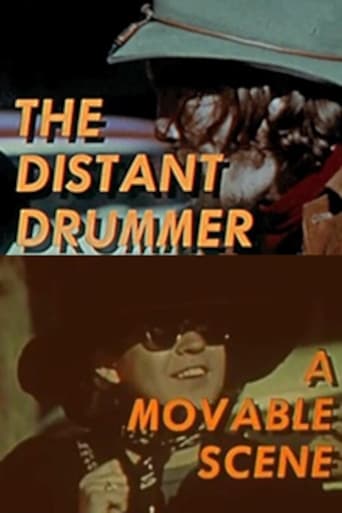
Robert Mitchum was one of Hollywood's most and enduring actors, known for his distinctive laconic style and rebellious persona. Born in Connecticut and raised in a turbulent household, he spent his youth traveling the country during the Great Depression, working various jobs from boxer to ditch-digger before discovering acting. His breakthrough came in the 1940s with film noir classics like 'Out of the Past' (1947) and 'The Big Sleep' (1946), establishing him as a leading man with a unique blend of toughness and vulnerability. Mitchum's five decades, during which he appeared in over 100 films, including the haunting 'Night of the Hunter' (1955) and the psychological thriller 'Cape Fear' (1962). His off-screen persona, marked by a notorious 1948 marijuana arrest that briefly threatened his career, only enhanced his bad-boy image. In the 1970s, he appeared in documentaries including 'The Distant Drummer: A Movable Scene' (1970), which captured the counter-culture era. Mitchum continued working through the 1980s and 1990s, delivering memorable performances in 'The Winds of War' miniseries and Martin Scorsese's remake of 'Cape Fear' (1991), cementing his legacy as one of cinema's most authentic and leading actors.
The Craft
On Screen
Mitchum pioneered a naturalistic, minimalist acting style characterized by his distinctive deep voice, relaxed demeanor, and understated delivery. He often employed a 'less is more' approach, conveying complex emotions through subtle facial expressions and body language rather than overt dramatic gestures. His technique involved creating an aura of world-weary cynicism mixed with underlying vulnerability, making his characters feel authentic and multidimensional. Mitchum's unique ability to appear both threatening and sympathetic simultaneously became his trademark, influencing generations of actors who followed.
Milestones
- Breakthrough role in 'The Story of G.I. Joe' (1945)
- Starred in film noir classics 'Out of the Past' and 'The Big Sleep'
- Iconic performance in 'Night of the Hunter' (1955)
- Controversial marijuana arrest in 1948
- Starred in 'Cape Fear' (1962) and its 1991 remake
- Narrated and appeared in 'The Distant Drummer: A Movable Scene' (1970)
- Emmy nomination for 'The Winds of War' (1983)
- AFI Life Achievement Award recipient (1992)
Best Known For
Iconic Roles
Must-See Films
Accolades
Won
- National Board of Review Award for Best Actor (1945)
- Golden Globe for Best Actor (1958)
- David di Donatello Award (1975)
- AFI Life Achievement Award (1992)
- Cecil B. DeMille Award (1992)
Nominated
- Academy Award nomination for Best Supporting Actor (1945)
- Academy Award nomination for Best Actor (1958)
- BAFTA nomination for Best Foreign Actor (1958)
- Emmy nomination for Outstanding Actor in a Limited Series (1983)
- Golden Globe nominations (1957, 1976)
Special Recognition
- Hollywood Walk of Fame star (6230 Hollywood Blvd)
- American Film Institute Life Achievement Award (1992)
- Cecil B. DeMille Award (Golden Globes, 1992)
- National Film Registry induction for 'Night of the Hunter' (1992)
- Ranked #23 on AFI's Greatest Male Stars list
Working Relationships
Worked Often With
Studios
Why They Matter
Impact on Culture
Robert Mitchum fundamentally changed Hollywood's conception of the leading man, introducing a level of authenticity and anti-hero complexity that challenged traditional star archetypes. His naturalistic acting style and refusal to conform to Hollywood's expectations paved the way for the more realistic character-driven cinema of the 1960s and 1970s. Mitchum's embodiment of the film noir protagonist created an enduring template for the cynical, world-weary detective that continues to influence crime films and television. His 1948 marijuana arrest, while nearly career-ending, ultimately contributed to changing attitudes about celebrity and personal freedom in American culture.
Lasting Legacy
Robert Mitchum's legacy endures through his iconic performances that continue to be studied and celebrated by film scholars and audiences alike. His influence on the anti-hero archetype can be seen in countless actors who followed, from Clint Eastwood to Matthew McConaughey. The films he starred in, particularly 'Night of the Hunter' and 'Out of the Past,' are considered masterpieces of American cinema and are regularly cited among the greatest films ever made. Mitchum's unique combination of menace and charm created a new model for masculine complexity in cinema that remains relevant today. His career longevity and ability to adapt to changing cinematic trends while maintaining his distinctive persona demonstrated remarkable artistic integrity.
Who They Inspired
Mitchum's minimalist acting approach directly influenced the method actors of the 1950s and the more naturalistic performers of the New Hollywood era. Directors like Martin Scorsese and Quentin Tarantino have cited Mitchum as a major influence on their work, particularly in their portrayal of morally ambiguous characters. His distinctive vocal delivery and relaxed physicality have been emulated by actors ranging from James Dean to Brad Pitt. The psychological complexity he brought to villainous roles in films like 'Cape Fear' set a new standard for antagonists in American cinema. Mitchum's success in both leading and character roles demonstrated the value of versatility and authenticity in an actor's career development.
Off Screen
Robert Mitchum led a colorful personal life marked by his marriage to Dorothy Spence, which lasted from 1940 until his death in 1997, despite his well-known affairs and rebellious lifestyle. Together they had three children: James, Christopher, and Petrina, with James and Christopher both becoming actors. Mitchum was known for his love of music, recording several albums and writing songs, including the theme for 'Thunder Road.' He maintained a ranch in Santa Barbara, California, where he enjoyed painting and writing poetry. Despite his bad-boy image, Mitchum was deeply devoted to his family and was known for his generosity to friends and colleagues in the film industry.
Education
Left school at age 14 during the Great Depression, was largely self-educated through extensive reading and life experiences
Family
- Dorothy Spence (1940-1997)
Did You Know?
- Was arrested for marijuana possession in 1948, serving 43 days in prison, which surprisingly boosted his career
- Recorded several calypso albums in the 1950s, including 'Calypso — Is Like So.'
- Wrote the song 'The Ballad of Thunder Road' which became a hit
- Turned down the role of Colonel Nicholson in 'The Bridge on the River Kwai'
- Was a skilled poet and published a collection of his works
- Served as a ghostwriter for several Hollywood screenplays
- Was offered the role of Superman in the 1970s but declined
- Had a photographic memory and could recite entire Shakespeare plays
- Was a skilled boxer in his youth with a 12-0 record
- Worked as a ditch-digger and professional boxer before discovering acting
In Their Own Words
I'm a guy who likes to get along with people. I'm not a tough guy. I'm just a guy who doesn't like to be pushed around.
I'm a guy who believes in two things: the Constitution and the American way of life.
There are two kinds of people in this world: the workers and the hustlers. The hustlers never work and the workers never hustle.
I never take any notice of reviews unless a review is favorable. Then I think, 'Well, that's very nice. I'm glad they liked it.'
I'm not an actor. I'm a reactor. I'm a personality.
Frequently Asked Questions
Who was Robert Mitchum?
Legendary American with credits in this catalog. He starred in over 100 films across five decades, becoming an icon of film noir and establishing himself as one of Hollywood's most authentic and enduring leading men.
What films is Robert Mitchum best known for?
Titles linked here include Out of the Past (1947), Night of the Hunter (1955).
When was Robert Mitchum born and when did he die?
Born August 6, 1917; died July 1, 1997.
What awards did Robert Mitchum win?
Mitchum received two Academy Award nominations, won a Golden Globe for Best Actor, and was honored with the AFI Life Achievement Award in 1992. He also received the Cecil B. DeMille Award from the Golden Globes and has a star on the Hollywood Walk of Fame.
What was Robert Mitchum's acting style?
Mitchum pioneered a naturalistic, minimalist acting style characterized by his relaxed demeanor, distinctive deep voice, and understated delivery. He conveyed complex emotions through subtle expressions rather than overt dramatic gestures, creating an aura of world-weary cynicism mixed with underlying vulnerability.