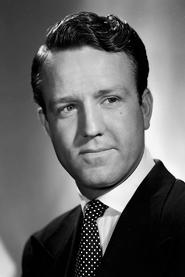
Steve Brodie
Actor
Born: November 25, 1919 in El Dorado, Kansas, USA Died: January 9, 1992 Active: 1944-1987 Birth Name: John Stephens
Films
1 film
About Steve Brodie
American character actor who worked primarily in film noir and B-movies during the 1940s and 1950s. Born John Stephens, he adopted his stage name from the famous 19th-century Brooklyn bridge jumper. He began his acting career in the early 1940s and quickly became typecast as a tough guy or villain due to his rugged appearance and intense screen presence. Throughout his career, he appeared in over 60 films and numerous television series, often playing supporting roles as gangsters, henchmen, or troubled protagonists. Despite never achieving leading man status, Brodie developed a reputation as a reliable character actor who could deliver convincing performances in limited screen time. His nearly four decades, though his most prolific period was during the Golden Age of Hollywood. He continued working in television through the 1960s and 1970s, making his final screen appearance in the late 1980s.
The Craft
On Screen
Brodie was known for his naturalistic, understated acting style that brought authenticity to his tough-guy roles. He often employed a minimalist approach, using subtle facial expressions and a gravelly voice to convey complex emotions. His performances were characterized by a raw intensity and world-weary cynicism that made him perfectly suited for film noir. Brodie had a talent for portraying characters with moral ambiguity, often finding humanity in seemingly unsympathetic roles. His physical presence and ability to deliver dialogue with a sense of fatalistic resignation became his trademark.
Milestones
- Film debut in 'The Big Noise' (1944)
- Breakthrough role in 'D.O.A.' (1950)
- Memorable performance in 'The Big Combo' (1955)
- Transition to television in the 1960s
- Hollywood Walk of Fame star recipient
Best Known For
Iconic Roles
Must-See Films
Accolades
Won
- Hollywood Walk of Fame Star
Special Recognition
- Hollywood Walk of Fame Star (1960)
Working Relationships
Worked Often With
Studios
Why They Matter
Impact on Culture
Steve Brodie contributed significantly to the film noir genre, helping to define the archetype of the American anti-hero and the morally ambiguous supporting character. His performances in classic noirs like 'D.O.A.' and 'The Big Combo' exemplified the cynical worldview and fatalistic tone that defined the genre. Brodie's work represented the everyday American male struggling against circumstances beyond his control, a theme that resonated with post-war audiences. His naturalistic acting style influenced subsequent generations of character actors, particularly those specializing in tough-guy roles. Though never a star, Brodie became a familiar face to moviegoers and helped populate the rich cinematic universe of Golden Age Hollywood with memorable supporting characters.
Lasting Legacy
Steve Brodie's legacy lies in his substantial body of work that exemplifies the character actor's crucial role in classic Hollywood cinema. He appeared in over 60 films and numerous television shows, leaving behind a catalog of performances that continue to be appreciated by film noir enthusiasts and classic movie fans. His ability to bring depth and humanity to seemingly minor roles demonstrated the artistry of supporting performance. Brodie's work has been preserved through film restorations and continues to be featured in retrospectives and classic film festivals. His Hollywood Walk of Fame star ensures his contribution to cinema is permanently commemorated. While not a household name, serious film scholars and noir aficionados recognize Brodie as an essential figure in the genre's history.
Who They Inspired
Brodie influenced subsequent character actors through his naturalistic approach to playing tough guys and villains. His ability to find nuance in stereotypical roles showed younger actors that supporting characters could be just as compelling as leads. Many actors who later specialized in film noir and crime dramas cited Brodie's performances as examples of effective minimalist acting. His work in television during the 1960s and 1970s also demonstrated how classic film techniques could be adapted for the small screen. Directors who worked with Brodie often praised his professionalism and ability to deliver strong performances with minimal direction, setting a standard for character actors in the industry.
Off Screen
Steve Brodie was married twice during his lifetime. His first marriage was to actress Barbara Seaman, with whom he had two children. After their divorce, he married his second wife, with whom he remained until his death. Brodie was known as a private individual who rarely discussed his personal life in interviews. He maintained friendships with many of his fellow character actors from the film noir era. In his later years, he suffered from health problems that eventually led to his death from cancer in 1992 at the age of 72.
Education
Attended El Dorado High School in Kansas, later studied drama in Los Angeles before beginning his acting career
Family
- Barbara Seaman (1946-1955)
- Lois Worthington (1956-1992)
Did You Know?
- Adopted his stage name from Steve Brodie, the 19th-century man who claimed to have jumped off the Brooklyn Bridge
- Appeared in over 60 films during his career but rarely received above-the-billing credit
- Was a close friend of fellow character actor Charles McGraw
- Often played characters named 'Steve' or variations of his stage name
- Served in the Army Air Forces during World War II before beginning his acting career
- Was typecast so often as a villain that he once joked he 'couldn't get arrested playing a good guy'
- Made the transition to television successfully in the 1960s, appearing in popular series like 'Perry Mason' and 'The Fugitive'
- His son John Brodie became a professional football player, winning the Heisman Trophy in 1960
- Despite his tough guy screen image, colleagues described him as gentle and soft-spoken in real life
- His final film appearance was in 'Deadly Illusion' (1987), nearly 43 years after his debut
In Their Own Words
In an interview: 'I never minded being the heavy. Somebody's got to play the bad guy, and I was good at it.'
On his typecasting: 'When you look like I do, you don't get many parts as the romantic lead. But you make a good living being the guy who tries to stop him.'
About acting: 'The secret to playing a villain is finding something human in him. Even the worst guy has a reason for what he does.'
Frequently Asked Questions
Who was Steve Brodie?
American character with credits in this catalog. Born John Stephens, he specialized in playing tough guys, gangsters, and morally ambiguous characters in over 60 films and numerous television shows.
What films is Steve Brodie best known for?
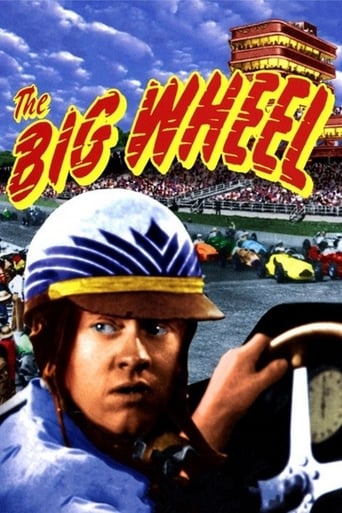
Titles linked here include The Big Wheel (1949), D.O.A. (1950).
When was Steve Brodie born and when did he die?
Born November 25, 1919; died January 9, 1992.
What awards did Steve Brodie win?
Steve Brodie received a Hollywood Walk of Fame star in 1960 in recognition of his contributions to the film industry. While he never received major acting awards, his prolific career and memorable performances earned him respect within the industry.
What was Steve Brodie's acting style?
Steve Brodie was known for his naturalistic, understated acting style that brought authenticity to his tough-guy roles. He employed minimal gestures and a gravelly voice to convey complex emotions, often portraying cynical, world-weary characters with underlying vulnerability.