Edward Ludwig
Director
Born: December 24, 1893 in New York City, New York, United States Died: December 30, 1970 Active: Silent era through the late 1940s
Films
1 film
About Edward Ludwig
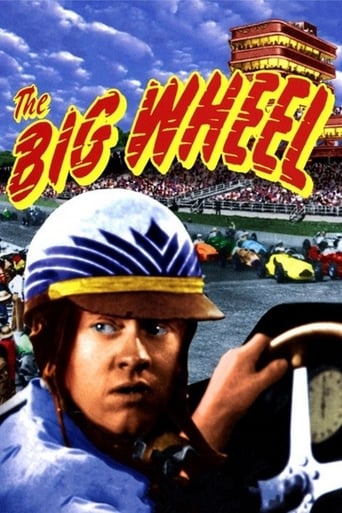
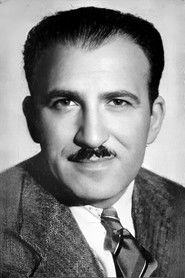
American film director: the era of silent films, early sound pictures, and studio-era Hollywood, though he is most often remembered today for his work in the 1930s and 1940s. He was born in New York City and entered the motion picture industry during the silent period, building experience in an industry that was rapidly professionalizing and consolidating around the major studios. Ludwig directed a wide range of genre material, including adventure films, crime dramas, westerns, and wartime pictures, which made him a reliable studio craftsman rather than a celebrity auteur. He worked steadily for several major companies and became known for efficient, straightforward storytelling and competent handling of action-oriented material. Among his best-known films are adventure titles such as Under Two Flags and The Jungle Book, as well as the crime melodrama The Big Wheel, which is among the titles associated with his late-career work. Although not a household name, Ludwig contributed to the classical Hollywood system through a long career of dependable direction across changing eras of filmmaking. His work reflects the professional studio director tradition: adaptable, technically solid, and attentive to pacing, spectacle, and audience appeal.
The Craft
Behind the Camera
Edward Ludwig’s directing style was characteristic of a skilled studio craftsman: direct, efficient, and focused on narrative momentum rather than flamboyant visual signature. He was especially suited to action-driven and genre material, where clarity, pacing, and audience engagement were essential. His films generally emphasize straightforward storytelling, competent staging, and professional polish, with a practical eye toward budget, schedule, and commercial appeal. Rather than being associated with a highly stylized or personal visual approach, Ludwig is remembered for reliability and adaptability across different genres and production circumstances.
Milestones
- Began directing in the silent era and successfully transitioned into sound films
- Built a reputation as a dependable studio-era director of adventure, crime, and action films
- Directed notable genre pictures such as Under Two Flags and The Jungle Book
- Directed The Big Wheel (1949), one of the films associated with his later career
- Worked within the major Hollywood studio system across multiple decades
Best Known For
Must-See Films
Working Relationships
Studios
Why They Matter
Impact on Culture
Edward Ludwig’s cultural impact lies less in personal fame than in the steady, essential labor of the classical Hollywood director class. Filmmakers like Ludwig helped define the visual and narrative standards of studio-era genre cinema, shaping how adventure, crime, and action stories were presented to mass audiences. His work contributed to the infrastructure of Hollywood storytelling during a period when efficiency, professionalism, and adaptability were prized. Even when a director did not achieve auteur status, that director could still have substantial impact by helping establish audience expectations for popular entertainment. Ludwig belongs to that important group of behind-the-scenes craftsmen whose films sustained the studio system and made it function at scale.
Lasting Legacy
Ludwig’s legacy is that of a solid, workmanlike director whose career reflects the breadth and continuity of classical Hollywood production. He is remembered by historians and database researchers as part of the generation that bridged silent cinema and the fully developed studio era, carrying practical filmmaking skills across technological and industrial change. His filmography illustrates the kinds of genre pictures that formed the backbone of the American moviegoing experience. While he is not among the most famous directors of his era, his work remains part of the historical record of Hollywood’s studio system and the development of mainstream genre filmmaking. For enthusiasts of classic cinema, Ludwig stands as an example of the dependable directors whose contributions supported the industry’s golden age.
Who They Inspired
Edward Ludwig influenced cinema indirectly through the professional standards he helped uphold in studio-era filmmaking. Directors working in genre cinema after him inherited an industry in which efficient storytelling, tight pacing, and dependable craftsmanship were expected, and Ludwig was part of that tradition. His films also contribute to the broader historical understanding of how Hollywood directors could build long careers without becoming public icons. Because he worked across shifting styles and technologies, he represents the adaptable studio director whose methods were widely emulated within the system, even if not explicitly credited as a major stylistic innovator.
Off Screen
Edward Ludwig maintained a relatively private personal life compared with many major Hollywood figures, and available public records focus much more on his professional work than on detailed biographical anecdotes. He was part of the generation of filmmakers who entered motion pictures in the formative decades of the medium and spent much of their careers working within the studio system. Because he was not a major celebrity director, surviving accounts of his family background, household life, and private relationships are limited in standard film references. The historical record identifies him primarily through his filmography and studio employment rather than through publicity-driven personal narratives.
Did You Know?
- Edward Ludwig was born in New York City, placing him among the many early Hollywood figures who came from the American East Coast film talent pipeline.
- He worked across both the silent and sound eras, a transition that eliminated many earlier filmmakers who could not adapt to changing production methods.
- Unlike many famous Hollywood directors, Ludwig is remembered more for steady craftsmanship than for a distinctive auteur persona.
- His career included work in multiple genres, especially adventure and crime films, showing strong versatility.
- The Big Wheel (1949) is one of the later films most closely associated with his name in film reference sources.
- His filmography reflects the importance of studio directors who handled efficient production on schedule and within budget.
- He is a useful case study in classic cinema because his career demonstrates how many directors worked successfully without achieving major celebrity status.
- He belongs to the generation of filmmakers whose careers were shaped by the evolving industrial structure of Hollywood rather than by independent production.
Frequently Asked Questions
Who was Edward Ludwig?
American on YTB.my. He was best known as a dependable studio-era craftsman who directed adventure, crime, and other genre films for Hollywood audiences.
What films is Edward Ludwig best known for?
Titles linked here include Under Two Flags, The Jungle Book.
When was Edward Ludwig born and when did he die?
Born December 24, 1893; died December 30, 1970.
What awards did Edward Ludwig win?
No major awards or nominations are widely documented for Edward Ludwig in standard reference sources. He is better remembered for his steady body of work within the Hollywood studio system than for formal awards recognition.
What was Edward Ludwig's directing style?
His directing style was practical, efficient, and strongly focused on narrative clarity and pacing. He was especially suited to genre films where professional execution and audience appeal mattered more than a flashy personal style.
What is Edward Ludwig's legacy in film history?
Ludwig’s legacy is that of a reliable classic Hollywood director whose work helped sustain the studio system across several decades. He represents the many skilled filmmakers who shaped mainstream cinema without becoming major public celebrities.