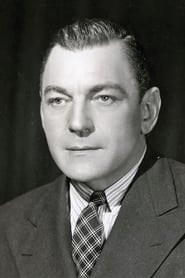
Buck Jones
Actor
Born: December 12, 1891 in Vincennes, Indiana, USA Died: November 30, 1942 Active: 1917-1942 Birth Name: Charles Frederick Gebhart
Films
2 films
About Buck Jones
Buck Jones, born Charles Frederick Gebhart, was popular and highest-paid Western stars of the silent era and early sound period. After serving in the U.S. Cavalry during World War I, he brought authentic riding skills and military bearing to his film career, which began in the late 1910s. Jones signed with Fox Film Corporation in 1920 and quickly rose to stardom, becoming one of the few Western actors to successfully transition from silent films to talkies. He was known for his natural, understated acting style that brought authenticity to his cowboy roles, eschewing the theatrical mannerisms common in silent films. Throughout his career, he appeared in over 160 films, establishing himself as reliable box-office draws in the Western genre. His career was tragically cut short when he died in the Cocoanut Grove fire in Boston in 1942 while on a war bond tour, leaving behind a legacy as one of cinema's most authentic cowboy stars.
The Craft
On Screen
Natural and understated, Jones brought authenticity to his cowboy roles through his genuine horsemanship skills and military background. Unlike many silent film actors who used exaggerated gestures, Jones favored a more realistic approach with minimal theatricality. His acting was characterized by a quiet strength and dignity that made his cowboy characters believable and relatable to audiences. He had a particular talent for conveying emotion through subtle facial expressions rather than broad gestures.
Milestones
- Signed with Fox Film Corporation in 1920
- Successfully transitioned from silent to sound films
- Became one of the highest-paid Western stars of the 1920s-1930s
- Starred in the 'Rough Rider' film series (1930s)
- Received a posthumous star on the Hollywood Walk of Fame
Best Known For
Iconic Roles
Must-See Films
Accolades
Special Recognition
- Hollywood Walk of Fame star (6624 Hollywood Boulevard, awarded posthumously)
Working Relationships
Worked Often With
Studios
Why They Matter
Impact on Culture
Buck Jones played a significant role in establishing the Western film genre as a major force in American cinema during the silent era and early sound period. He helped create the archetype of the stoic, honorable cowboy hero that would become a staple of American popular culture. His authentic portrayal of Western characters, rooted in his actual cavalry experience, set a standard for realism in Western films that influenced generations of actors. Jones was among the first Western stars to successfully transition to sound films, proving that the genre had lasting appeal beyond the silent era. His popularity helped sustain the Western genre during the challenging transition period when many silent film stars saw their careers decline.
Lasting Legacy
Buck Jones left an enduring legacy as. His natural acting style and genuine horsemanship skills established a template for cowboy heroes that influenced countless actors who followed. Despite his tragic death at age 50, Jones appeared in over 160 films, creating a substantial body of work that continues to be appreciated by film historians and Western enthusiasts. His posthumous star on the Hollywood Walk of Fame recognizes his contributions to American cinema. Film scholars often cite Jones as an example of the transition from the more theatrical acting style of early cinema to the naturalistic approach that would dominate later film acting.
Who They Inspired
Buck Jones influenced numerous Western actors who followed, particularly in his emphasis on authenticity and natural acting. His success in transitioning from silent to sound films provided a model for other Western stars of his era. Actors like John Wayne and Gary Cooper adopted elements of Jones' understated style and dignified portrayal of Western heroes. His approach to horsemanship and action sequences set standards for realism in Western films that persisted throughout the genre's golden age. Directors working in the Western genre often referenced Jones' films as examples of effective storytelling and character development within the Western format.
Off Screen
Buck Jones married twice during his lifetime. His first marriage was to actress Dell Boone in 1918, which ended in divorce in 1925. He later married Andrea Deane in 1926, and they remained together until his death in 1942. Jones had no children from either marriage. He was known for his patriotism and frequently participated in war bond drives and military charity events. His death in the Cocoanut Grove fire occurred while he was on a war bond tour during World War II, demonstrating his commitment to supporting the war effort.
Education
Limited formal education; attended local schools in Vincennes, Indiana before leaving home as a teenager
Family
- Dell Boone (1918-1925)
- Andrea Deane (1926-1942)
Did You Know?
- Born Charles Frederick Gebhart, he chose 'Buck Jones' as his stage name
- Served in the U.S. Cavalry before becoming an actor
- Was one of the highest-paid actors of the 1920s, earning over $100,000 per year
- Appeared in over 160 films during his career
- Was an accomplished horseman who performed many of his own stunts
- His death in the Cocoanut Grove fire claimed 492 lives, making it one of the deadliest nightclub fires in history
- He was on a war bond tour when he died, demonstrating his patriotism
- Fox Film Corporation built a special Western town set for his films
- He was one of the few silent Western stars to maintain popularity in the sound era
- His films often featured his horse named 'Silver'
In Their Own Words
A cowboy's word is his bond, and that's the way I try to live my life both on and off the screen
The West isn't just a place, it's a state of mind - it's about honor, courage, and doing what's right
I don't have to act to be a cowboy - I just have to be myself
The best Westerns aren't about gunfights, they're about character and principle
Frequently Asked Questions
Who was Buck Jones?
Prominent American Western film star during the silent era and early sound period, appearing in over 160 films. Born Charles Frederick Gebhart, he was known for his authentic cowboy persona and natural acting style, making him.
What films is Buck Jones best known for?
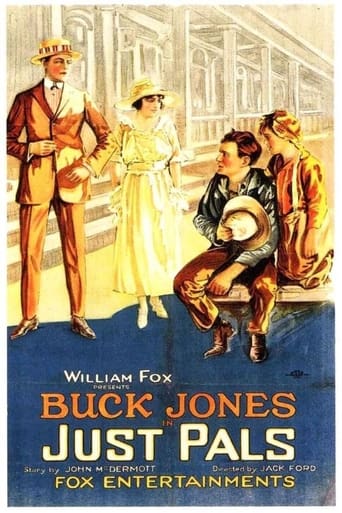
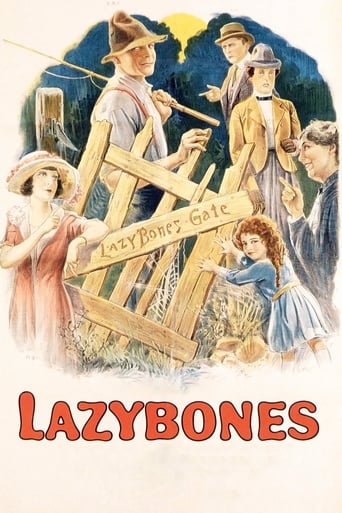
Titles linked here include Just Pals (1920), The Roundup (1920).
When was Buck Jones born and when did he die?
Born December 12, 1891; died November 30, 1942.
What awards did Buck Jones win?
While Buck Jones did not receive major film awards during his lifetime, he was posthumously honored with a star on the Hollywood Walk of Fame at 6624 Hollywood Boulevard, recognizing his significant contributions to American cinema and the Western genre.
What was Buck Jones' acting style?
Buck Jones was known for his natural, understated acting style that brought authenticity to his cowboy roles. Unlike many silent film actors, he used minimal theatricality and instead relied on subtle expressions and genuine emotion, drawing from his real cavalry experience to create believable Western characters.