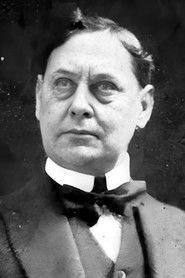
Templar Saxe
Actor
Born: August 22, 1865 in Redhill, Surrey, England Died: April 17, 1935 Active: 1888-1928 Birth Name: Templer William Edward Edevein
Films
1 film
About Templar Saxe
British-born stage actor, opera singer, and character actor who became a reliable fixture in American silent cinema. Born Templer William Edward Edevein in 1865, he was the son of Lady de Capel Broke and a prominent London barrister, and he originally intended to pursue a career in the diplomatic service before the allure of the stage took hold. He established himself as a talented vocalist and performer in England before moving to the United States, where he made a significant splash on Broadway in the early 1900s, notably in 'The Ladies' Paradise' (1901) and 'The Earl and the Girl' (1905). Transitioning to film in the mid-1910s, Saxe became a prolific character actor for studios like Vitagraph, often portraying sophisticated gentlemen, doctors, or authoritative figures. Despite his background as an opera singer, his silent film career flourished based on his expressive screen presence and versatility in both dramas and comedies. He remained active throughout the 1920s, appearing in major productions alongside stars like Constance Talmadge and Ronald Colman, before passing away in 1935.
The Craft
On Screen
Saxe was known for a sophisticated and polished acting style, often leveraging his stage-trained poise to play upper-class characters, professionals, and 'heavy' supporting roles. His transition from opera to silent film required a shift from vocal performance to physical expression, which he managed by adopting a dignified and often subtly comedic screen persona.
Milestones
- Starred in the Broadway production of 'The Ladies' Paradise' at the Metropolitan Opera House (1901)
- Received critical acclaim for his singing in the Broadway musical 'The Earl and the Girl' (1905)
- Became a staple character actor for Vitagraph Studios during the late 1910s
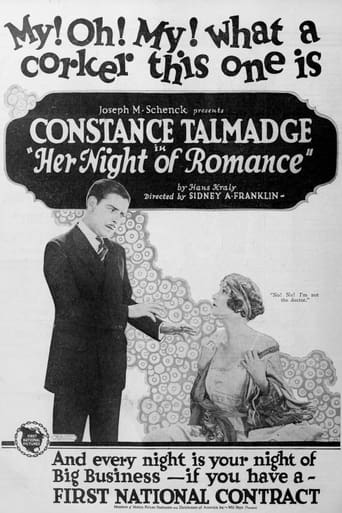
- Played the role of Dr. Wellington in the classic romantic comedy 'Her Night of Romance' (1924)
- Appeared in the high-profile silent adventure 'Captain Blood' (1924) as Governor Steed
- Cast in the prestigious Alan Crosland drama 'When a Man Loves' (1927) starring John Barrymore
Best Known For
Iconic Roles
Must-See Films
Accolades
Special Recognition
- Recognized as a leading musical comedy star of the early 20th-century Broadway stage
Working Relationships
Worked Often With
Studios
Why They Matter
Impact on Culture
Templar Saxe represented the bridge between the Victorian theatrical tradition and the emerging medium of cinema. As a trained opera singer who successfully navigated the silent era, he proved that stage-trained performers could adapt their craft to a visual-only medium. His presence in 'Her Night of Romance' and 'Captain Blood' helped define the 'sophisticated supporting character' archetype that became a staple of Hollywood's Golden Age.
Lasting Legacy
While his name is less familiar to modern audiences than his co-stars, Saxe's legacy survives through his contributions to over 70 silent films, many of which are considered landmarks of the era. He is remembered by film historians as a versatile character actor who brought a touch of European class and theatrical gravity to early American cinema.
Who They Inspired
He influenced the transition of stage actors into film by demonstrating how to maintain a 'commanding presence' without the use of voice, a skill that was highly valued during the silent-to-sound transition period.
Off Screen
Saxe was born into a socially prominent family; his father, Eaton Edeveain, was a well-known barrister and journalist in London, and his mother was Lady de Capel Broke. This high-society background likely influenced his frequent casting as aristocrats and refined gentlemen. He spent his later years in the United States, eventually settling in Ohio.
Education
He was educated in England and originally trained for the diplomatic service before shifting his focus to vocal music and theatrical performance.
Did You Know?
- He was a trained opera singer whose voice was highly praised by The New York Times, yet he spent the bulk of his film career in silent movies where he couldn't sing.
- His birth name was Templer William Edward Edevein, but he adopted 'Templar Saxe' for his professional career.
- He appeared in the 1901 production 'The Ladies' Paradise,' which was the first musical comedy to play at the Metropolitan Opera House.
- Despite his British roots, he became a prominent figure in the New York and Los Angeles entertainment scenes.
- He played the role of 'Dr. Wellington' in 'Her Night of Romance,' a film that is still studied today for its comedic structure.
- He was the son of a member of the British nobility (Lady de Capel Broke).
In Their Own Words
Context: Regarding his transition from the diplomatic service to the stage, he was known to have expressed that the 'theatrical life offered a more immediate connection to the human spirit than the formal halls of diplomacy.'
Frequently Asked Questions
Who was Templar Saxe?
British-born opera singer and stage with credits in this catalog. He was known for his sophisticated screen presence and appeared in over 70 films.
What films is Templar Saxe best known for?
Titles linked here include Her Night of Romance (1924), Captain Blood (1924).
When was Templar Saxe born and when did he die?
Born August 22, 1865; died April 17, 1935.
Did Templar Saxe ever sing in his movies?
No, the vast majority of his film career took place during the silent era, meaning his acclaimed operatic voice was never heard by film audiences of that time.
What was Templar Saxe's acting style?
Saxe utilized a dignified, stage-trained style that was perfect for playing aristocrats, doctors, and authority figures. He was praised for his ability to convey character through subtle physical cues and facial expressions.