
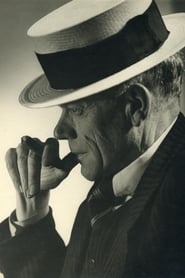
Karl Valentin
Actor
- Born
- June 4, 1882, Munich, Kingdom of Bavaria, German Empire
- Died
- February 9, 1948
- Active
- 1913-1923
- Birth name
- Valentin Ludwig Fey
Films 2
About Karl Valentin
Karl Valentin was a groundbreaking German comedian, actor, writer, filmmaker, and cabaret performer whose work helped define modern absurdist humor and German popular entertainment in the early 20th century. Born Valentin Ludwig Fey in Munich, he began as a stage entertainer and developed a uniquely laconic, anxious, and anti-burlesque comic persona that made him one of the most original performers of his generation. In cinema, he was active during the silent era and early sound transition, appearing in short comedies and specialty films, including Karl Valentins Hochzeit (1913) and The Mysteries of a Hairdresser's Shop (1923), often collaborating with his artistic partner Liesl Karlstadt. His screen work reflected the same brittle timing, social awkwardness, and escalating nonsense that characterized his stage performances, and he became especially influential in German comedy through his ability to turn everyday situations into surreal comic breakdowns. Although his filmography is not large by Hollywood standards, his importance in German film culture is immense because he brought cabaret satire and avant-garde comic logic to the screen at a time when silent comedy was still developing its vocabulary. Beyond acting, he wrote sketches, directed and produced performance pieces, and helped shape a distinctly German form of comedic performance that resonated with later artists in theater, radio, television, and film. Today he is remembered not only as a classic cinema personality but as one of the most inventive comic minds in European cultural history.
More about Karl Valentin
On screen
Valentin's acting style was rooted in deadpan panic, verbal misdirection, physical awkwardness, and a refusal to play comedy in an obviously theatrical way. He specialized in underplaying absurd situations until they became hilariously unstable, often appearing as a timid, confused, or officious everyman caught in bureaucratic or domestic chaos. His performance rhythm depended on pauses, repetition, and precise escalation rather than broad mugging, which gave his comedy a modern, almost existential quality. In film, he adapted this approach to silent visual comedy through expressive body language, strained reactions, and tightly controlled absurd gestures.
In film history
Karl Valentin had a profound impact on German-language comedy by transforming everyday language, etiquette, and social behavior into vehicles for surreal and often unsettling humor. His work bridged the gap between cabaret, silent film, and modern absurdism, making him a key precursor to later comic traditions that prize timing, understatement, and linguistic subversion. In cinema history, he represents an important example of how silent film comedy developed outside Hollywood, especially in German-speaking Europe, where regional performance traditions strongly shaped screen humor. His influence can be felt in theater, radio, television, and film, where performers continued to draw on his blend of philosophical nonsense and painfully ordinary situations.
Later reputation
Valentin's legacy rests on his reputation as one of the most original comic artists in European performance history, admired for a style that remains strikingly modern. He is studied not just as an actor but as a writer and conceptual comic artist whose sketches anticipated later absurdist and existential humor. In film history, his surviving work is valued as an example of early German screen comedy that differs sharply from the more famous American slapstick model. His collaboration with Liesl Karlstadt also remains one of the most celebrated comic partnerships in German entertainment, and his reputation has grown steadily since his lifetime through retrospectives, archives, and critical scholarship. Even where his screen output is small, his influence is large because he helped define a uniquely intellectual, verbal, and bleakly funny strain of comedy that still feels fresh.
Influence
Karl Valentin influenced later German comedians, satirists, playwrights, and filmmakers by demonstrating that comedy could arise from language breakdown, social embarrassment, and logical inversion rather than only from physical slapstick. His deadpan delivery and absurdist structure can be seen as a forerunner of later European comic traditions, including surreal sketch comedy and the theater of the absurd. He also helped shape the performance culture of Munich and Bavarian cabaret, making local dialect, regional manners, and ordinary social rituals into sophisticated comic material. His impact extended beyond Germany as scholars and performers increasingly recognized him as an important early master of modern comedy.
Off screen
Karl Valentin was born Valentin Ludwig Fey in Munich and remained strongly associated with the city throughout his life and career. He worked in a broad range of performance forms, from variety theater and cabaret to film, and his creative life was deeply shaped by the Munich entertainment scene. He had a long artistic partnership with Liesl Karlstadt, one of the most important relationships in his professional life, and their collaboration became legendary in German cabaret history. He was married to Gisela Klasing, though detailed family information is less prominently documented in mainstream film references than his artistic work. His personal life was often marked by financial difficulty and a combative relationship with the practicalities of the entertainment business, which fed into the themes of his comedy.
Education
He did not have a formal higher education that is commonly emphasized in film history sources; his artistic development came primarily through apprenticeship in performance, cabaret, and variety entertainment in Munich.
Credits
- Became one of Munich's most celebrated cabaret comedians and a defining figure of German comic performance in the early 20th century
- Created a singular comic persona built on nervous speech, awkward logic, wordplay, and escalating everyday catastrophes
- Appeared in early German silent films such as Karl Valentins Hochzeit and The Mysteries of a Hairdresser's Shop
- Formed one of German entertainment's most famous double acts with Liesl Karlstadt
- Influenced generations of German-language comedians, satirists, and absurdist performers
- Extended his comedy from stage and film into short films, sketches, and satirical performance art
Roles
- The befuddled husband or socially overwhelmed everyman
- The anxious shopkeeper or tradesman caught in absurd misunderstanding
- The comic victim of domestic and bureaucratic chaos
- The deadpan partner in a double act opposite Liesl Karlstadt
Films
Honors
- Widely recognized posthumously as one of the great German comedians of the 20th century
- Subject of extensive scholarly and cultural reassessment in German theater and film history
- Memorialized in museums, archives, and cultural institutions in Munich and beyond
Collaborators
- Liesl Karlstadt
- Munich cabaret writers and performers associated with his sketch work
- German silent film performers and production teams of the early 1910s and 1920s
Studios
- Munich cabaret and performance companies
- German silent film production companies associated with early Bavarian cinema
Family
- Gisela Klasing (married; dates not reliably specified in standard film references)
Notes
- He was born Valentin Ludwig Fey but became famous under the stage name Karl Valentin.
- He was especially associated with Munich, which remained central to his artistic identity throughout his career.
- His comedy is often described as a blend of deadpan delivery, wordplay, and escalating absurdity.
- He worked closely with Liesl Karlstadt, one of the most important comic partnerships in German entertainment history.
- He appeared in early silent films, but his broader fame came from cabaret and sketch comedy rather than a large film career.
- He is often compared by scholars to later absurdist writers and performers because of his unusual sense of logic and language.
- His work is remembered for turning mundane situations such as marriage, shopping, and social etiquette into comic catastrophes.
- He is considered a major figure in German cultural history even though he is less internationally known than many Hollywood-era performers.
Quotes
I can't understand myself; how can anyone else understand me? - commonly cited as representative of his comic worldview, though wording varies in translation and attribution
Everything is more difficult than it looks, especially when it is supposed to be simple. - representative of the kind of aphoristic humor associated with his sketches, though exact wording may vary by source
Questions
Who was Karl Valentin?
Karl Valentin was a German comedian, actor, writer, and cabaret performer from Munich who became one of the most inventive comic voices of the silent and early sound eras. He is especially remembered for absurd, deadpan humor that turned everyday life into a source of comic confusion and social satire.
What films is Karl Valentin best known for?
He is best known in film circles for Karl Valentins Hochzeit (1913) and The Mysteries of a Hairdresser's Shop (1923). His film appearances are relatively limited compared with his stage work, but they are important examples of early German screen comedy.
When was Karl Valentin born and when did he die?
He was born on June 4, 1882, in Munich, then part of the Kingdom of Bavaria in the German Empire. He died on February 9, 1948, in Starnberg, Bavaria, Germany.
What awards did Karl Valentin win?
There are no widely documented major film awards or formal Oscar-era honors associated with Karl Valentin, especially given the period in which he worked. His recognition is primarily historical and cultural, with his reputation built through critical reevaluation, influence, and posthumous esteem.
What was Karl Valentin's acting style?
His acting style was deadpan, anxious, and highly controlled, with comedy emerging from awkward pauses, verbal confusion, and the slow collapse of ordinary logic. He was especially skilled at making small misunderstandings feel enormous, which gave his performances a distinctly modern absurdist edge.
What is Karl Valentin's legacy in film and comedy?
Karl Valentin is remembered as a pioneering figure in German comedy whose influence extends far beyond his small filmography. He helped shape a comic tradition based on language, timing, and surreal everyday situations, and he remains a major reference point for scholars of European performance and absurdist humor.