Films
2 films
About Bu Wan-Cang
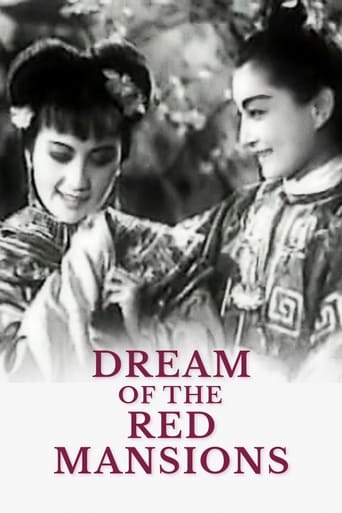
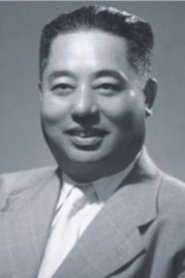
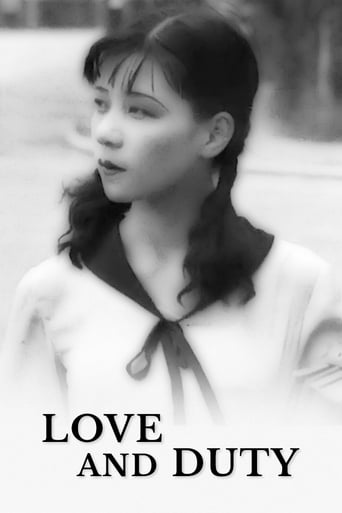
Bu Wan-Cang (also known as Bu Wancang) was a Chinese film director who rose to prominence during the golden age of Chinese cinema in the 1930s and early 1940s. Beginning his career in the early sound era, Bu quickly established himself excelled in melodrama and literary adaptations, bringing sophisticated storytelling techniques to Chinese screens. His 1931 masterpiece 'Love and Duty' starring the Ruan Lingyu is considered one of the greatest achievements of early Chinese cinema, though it was lost for decades before its rediscovery in the 1990s. Throughout the 1930s, Bu worked with major Shanghai studios like Lianhua and Mingxing, directing numerous films that captured the social and emotional turmoil of Republican China. His ambitious 1944 adaptation of 'Dream of the Red Mansions' showcased his ability to tackle complex literary works on an epic scale. Despite the challenges of working during the Sino-Japanese War, Bu continued to produce films that blended commercial appeal with artistic merit, cementing his reputation as one of China's most important early directors. His career effectively ended with the political changes in China after 1949, though his films continue to be studied and celebrated by film historians worldwide.
The Craft
Behind the Camera
Bu Wan-Cang was known for his sophisticated approach to melodrama, combining emotional intensity with visual elegance. His directing style emphasized psychological depth and social commentary, often exploring themes of love, sacrifice, and the plight of women in traditional Chinese society. He employed innovative camera techniques and lighting effects to enhance the dramatic impact of his scenes, while maintaining a strong focus on character development. Bu had a particular talent for literary adaptations, successfully translating complex novels into compelling cinematic narratives that remained faithful to their source material while being accessible to mass audiences.
Milestones
- Directed 'Love and Duty' (1931), now considered a masterpiece of early Chinese cinema
- Collaborated with legendary actress Ruan Lingyu on multiple films
- Created the ambitious adaptation 'Dream of the Red Mansions' (1944)
- Pioneered sophisticated melodramatic techniques in Chinese cinema
- Worked with major Shanghai studios including Lianhua and Mingxing
Best Known For
Must-See Films
Accolades
Won
- Special Recognition at Hong Kong International Film Festival for rediscovery of Love and Duty
Special Recognition
- Recognized as one of the directors of Chinese cinema
Working Relationships
Worked Often With
Studios
Why They Matter
Impact on Culture
Bu Wan-Cang played a crucial role in establishing Chinese cinema as a serious art form capable of addressing complex social and emotional themes. His films, particularly 'Love and Duty,' helped define the melodramatic tradition in Chinese cinema and influenced generations of filmmakers. The rediscovery of 'Love and Duty' in the 1990s caused a sensation in film circles, revealing the sophistication of early Chinese cinema to international audiences. Bu's work demonstrated that Chinese filmmakers were not merely imitating Western styles but developing their own cinematic language rooted in Chinese cultural traditions. His adaptation of literary classics like 'Dream of the Red Mansions' showed how cinema could serve as a bridge between traditional Chinese culture and modern artistic expression.
Lasting Legacy
Bu Wan-Cang's legacy endures through his surviving films, which continue to be studied and screened at international film festivals and retrospectives. His masterpiece 'Love and Duty' is now recognized as one of the greatest films of the 1930s worldwide, not just in China. Film scholars credit Bu with helping establish the melodramatic tradition that would become a staple of Chinese cinema throughout the 20th century. His work has influenced numerous Chinese directors, from the masters of the 1980s Fifth Generation to contemporary filmmakers. Bu's ability to blend commercial appeal with artistic sophistication set a standard for Chinese cinema that continues to inspire filmmakers today. His films serve as important historical documents, capturing the social and cultural dynamics of Republican China during a period of tremendous change and upheaval.
Who They Inspired
Bu Wan-Cang influenced subsequent generations of Chinese directors through his sophisticated approach to melodrama and his successful adaptation of literary classics. His visual style and narrative techniques can be seen in the work of later Chinese masters like Zhang Yimou and Chen Kaige, particularly in their treatment of emotional themes and period settings. International filmmakers who have studied Chinese cinema have also been influenced by Bu's ability to create universal stories rooted in Chinese cultural context. His rediscovered masterpiece has been particularly influential in reshaping international understanding of early Chinese cinema, demonstrating that Chinese filmmakers were creating sophisticated works on par with their Western counterparts as early as the 1930s.
Off Screen
Bu Wan-Cang lived through. His career was deeply affected by the Sino-Japanese War, which forced many Chinese filmmakers to relocate and adapt their working conditions. Like many intellectuals and artists of his generation, he faced significant challenges after the 1949 Communist revolution, as the film industry was restructured according to socialist principles. Despite these political upheavals, Bu remained dedicated to the art of cinema throughout his life, though his later years saw him largely excluded from the official film industry.
Education
Likely received traditional Chinese education; specific details not well documented
Did You Know?
- His masterpiece 'Love and Duty' was considered lost for over 60 years until a complete print was discovered in Uruguay in 1994
- The film 'Love and Duty' was so emotionally powerful that it reportedly caused some audience members to faint during screenings in the 1930s
- Bu worked during what is now considered the golden age of Shanghai cinema, before the industry was disrupted by war and political change
- His adaptation of 'Dream of the Red Mansions' was
- Despite his significant contributions to Chinese cinema, relatively little is known about Bu's personal life compared to some of his contemporaries
- Bu often worked with the same actors repeatedly, developing a stock company of performers who understood his directorial vision
- His films frequently featured strong female protagonists, reflecting his interest in women's issues and social reform
- Bu survived the Japanese occupation of Shanghai during WWII, continuing to make films under difficult circumstances
In Their Own Words
Film is not just entertainment; it is a mirror that reflects the soul of our society and the struggles of our people.
To make a great film, one must understand both the art of cinema and the heart of human emotion.
Frequently Asked Questions
Who was Bu Wan-Cang?
Chinese on YTB.my. He was known for his sophisticated melodramas and literary adaptations, particularly his masterpiece 'Love and Duty' (1931).
What films is Bu Wan-Cang best known for?
Titles linked here include Love and Duty (1931), Dream of the Red Mansions (1944).
When was Bu Wan-Cang born and when did he die?
Born 1903; died 1974.
What awards did Bu Wan-Cang win?
While formal awards were limited during his active period, Bu Wan-Cang received posthumous recognition including special acknowledgment at the Hong Kong International Film Festival for the rediscovery of 'Love and Duty'. He is widely recognized as one of the directors of Chinese cinema.
What was Bu Wan-Cang's directing style?
Bu Wan-Cang was known for his sophisticated approach to melodrama, combining emotional intensity with visual elegance. His style emphasized psychological depth and social commentary, often exploring themes of love, sacrifice, and women's issues in traditional Chinese society.