Arnold Fanck
Actor & Director
- Born
- March 6, 1889, Frankenthal, German Empire
- Died
- September 28, 1974
- Active
- 1920-1937
Films 1
About Arnold Fanck
Arnold Fanck was a pioneering German filmmaker, mountaineer, cinematographer, screenwriter, and occasional actor whose work helped define the mountain film genre in the silent era. Born on March 6, 1889, in Frankenthal, in what was then the German Empire, he initially studied geology and became deeply interested in alpine environments, outdoor adventure, and the physical challenge of life in the mountains. Fanck is best known for directing visually striking silent films such as Der Berg des Schicksals, Der heilige Berg, Die weiße Hölle vom Piz Palü, and Stürme über dem Mont Blanc, works that combined technical innovation with an intense fascination for snow, ice, and elemental danger. Although the user-supplied filmography note mentions Das Wunder des Schneeschuhs (1920), Fanck's career is chiefly associated with the mountain-film cycle he developed in the 1920s and early 1930s, where he often collaborated with athletes and performers rather than conventional stage actors. His films were influential in shaping the aesthetics of outdoor realism in German cinema, and they also had a complicated historical afterlife because of their intersection with nationalist imagery and later associations with the Nazi era. Fanck's career declined sharply after the rise of sound cinema and political changes in Germany, and he struggled professionally in the later 1930s and after the war. He died on September 28, 1974, in Freiburg im Breisgau, West Germany, leaving behind a legacy as one of the most important visual stylists of the silent mountain film.
More about Arnold Fanck
On screen
As an occasional screen performer rather than a full-time actor, Fanck's on-screen presence was functional and naturalistic, typically serving the needs of his productions rather than displaying a distinctive star persona. In the silent era, his film appearances were generally aligned with the physically grounded, outdoors-oriented realism of his projects, where authenticity of movement and environment mattered more than theatrical expressiveness. He is better remembered for visual authorship behind the camera than for any singular acting technique or screen characterization.
Behind the camera
Fanck's directing style was marked by monumental landscape imagery, athletic physicality, and a strong emphasis on the dramatic power of nature. He favored remote alpine locations, real weather conditions, and carefully orchestrated action that made mountains, snow, ice, and storms feel like active narrative forces. His films often blended documentary-like realism with melodramatic storytelling, creating a highly stylized form of adventure cinema that was both technically demanding and visually arresting. He was especially interested in the human struggle against elemental danger, a theme that gave his films their emotional and symbolic intensity.
In film history
Arnold Fanck had a profound influence on the visual culture of Weimar-era cinema by turning the mountains into a cinematic subject of majesty, peril, and metaphysical significance. His films helped establish the mountain film, or Bergfilm, as a recognizable genre, inspiring filmmakers, cinematographers, and audiences with their combination of spectacle, athleticism, and elemental struggle. The physical authenticity of his productions, often shot in difficult alpine conditions, anticipated later traditions of location-based adventure cinema and outdoor realism. At the same time, his work has been studied for the way it intersects with German cultural nationalism, body culture, and the ideological climate of the interwar period, making him an important figure not only artistically but also historically. His association with Leni Riefenstahl further expanded his cultural footprint, since her career intersected with and extended elements of the visual style he helped establish.
Later reputation
Fanck's legacy rests on his role as one of the key architects of silent German visual adventure cinema and as the principal shaper of the mountain film tradition. His best works remain significant for their technical boldness, expressive landscape photography, and the way they transform nature into dramatic cinema. Film historians continue to regard him as a major stylist of the Weimar era, even while acknowledging the ideological complexities that surround parts of his career. His influence can be seen in later outdoor epics, survival films, and any cinema that treats terrain and weather as narrative agents rather than mere backdrops. He remains a central figure in discussions of German silent film, spectacle filmmaking, and the relationship between aesthetics and politics in interwar Europe.
Influence
Fanck influenced a generation of filmmakers by demonstrating that natural landscapes could carry as much dramatic weight as actors and dialogue. His approach to filming real mountain environments helped establish standards for physically demanding location production and for integrating danger into the visual rhythm of a film. He also influenced performers and directors associated with the mountain-film cycle, especially Leni Riefenstahl and Luis Trenker, both of whom became strongly identified with the genre's imagery and themes. Beyond Germany, his cinema contributed to the broader international development of adventure filmmaking and visual epics that emphasize endurance, ascent, weather, and human confrontation with nature.
Off screen
Arnold Fanck was closely identified with mountaineering and outdoor sports, interests that shaped both his artistic vision and his professional life. He studied geology, a background that helped inform his fascination with terrain, glaciers, and the physical realities of alpine environments. His personal and professional network included athletes, mountain climbers, and film collaborators who shared his enthusiasm for extreme-location filmmaking. Later in life, his reputation was complicated by the political context of 1930s Germany and by the way his aesthetic was later interpreted in relation to nationalist imagery and propaganda culture.
Education
Studied geology; exact institutional details are not consistently documented in standard film-reference sources.
Credits
- Helped pioneer the German mountain film as a distinctive silent-era genre centered on alpine landscapes, physical endurance, and natural spectacle
- Directed early breakthrough films that established his reputation for breathtaking location photography and technical daring in extreme conditions
- Created major silent-era successes such as Der Berg des Schicksals, Der heilige Berg, and Die weiße Hölle vom Piz Palü, which became landmarks of Weimar cinema
- Worked with prominent performers and athletes, including Leni Riefenstahl, and helped launch or elevate several screen careers through his productions
- Expanded the visual language of outdoor filmmaking through innovative use of mountain locations, weather conditions, and action staging
- Became a notable figure in film history for both his artistic achievements and the later political controversy surrounding parts of his career in Germany during the 1930s
Roles
- Self or supporting figure in Das Wunder des Schneeschuhs (1920)
- Occasional on-screen participant in his mountain films where his appearances served the practical needs of production rather than star characterization
Films
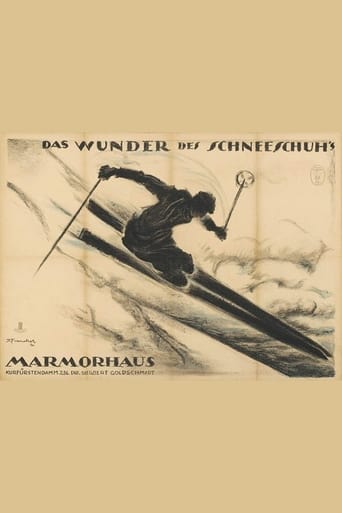
- Das Wunder des Schneeschuhs (1920)
- Der Berg des Schicksals (1924)
- Der heilige Berg (1926)
- Die weiße Hölle vom Piz Palü (1929)
- Stürme über dem Mont Blanc (1930)
- S.O.S. Eisberg (1933)
- Der ewige Traum (1934)
Collaborators
- Luis Trenker
- Leni Riefenstahl
- Rolf Durst
- Gustav Diessl
- Martha Mabary
- Hanns Schneeberger
Studios
- Bergfilm productions associated with German silent and early sound cinema
- Independent German production units working in the Weimar era
- UFA-related production contexts during the late silent and early sound periods
Family
- Information not clearly documented in the available classic-cinema record
Notes
- Fanck was one of the most important promoters of the mountain film, a genre that became one of the signature visual forms of late silent-era German cinema.
- He studied geology before making films, which helped inform the scientific and observational precision of his mountain imagery.
- His productions were often shot in genuinely hazardous alpine conditions, giving his films an unusual level of physical authenticity.
- He is frequently associated with Leni Riefenstahl, whose early career was strongly advanced by appearing in his mountain films.
- Although he is now remembered primarily as a director, he did appear on screen in at least some productions, including the user-identified Das Wunder des Schneeschuhs (1920).
- His films helped make the mountain landscape itself a dramatic protagonist, not just a scenic backdrop.
- Fanck's work became entangled in the broader political and aesthetic history of interwar Germany, making him a figure of both admiration and controversy in film scholarship.
- He is often discussed alongside Luis Trenker as a defining creative force behind the alpine adventure tradition in European cinema.
Questions
Who was Arnold Fanck?
Arnold Fanck was a German silent-era filmmaker best known for creating the mountain film genre, which turned alpine landscapes, snow, and physical endurance into major cinematic subjects. He was primarily a director, but he also worked as a cinematographer, screenwriter, and occasional actor.
What films is Arnold Fanck best known for?
He is best known for Der Berg des Schicksals, Der heilige Berg, Die weiße Hölle vom Piz Palü, Stürme über dem Mont Blanc, and S.O.S. Eisberg. These films are widely regarded as landmark achievements of Weimar-era adventure and landscape cinema.
When was Arnold Fanck born and when did he die?
Arnold Fanck was born on March 6, 1889, in Frankenthal, German Empire. He died on September 28, 1974, in Freiburg im Breisgau, West Germany.
What awards did Arnold Fanck win?
No major internationally standardized awards are widely documented for Fanck in the surviving classic-cinema record. His significance rests more on historical importance, influence, and critical recognition than on formal prize recognition.
What was Arnold Fanck's directing style?
Fanck's directing style emphasized real mountain locations, extreme weather, physical action, and the dramatic power of nature. He blended documentary-like realism with melodramatic storytelling, creating visually spectacular films in which landscape often became the central dramatic force.
What was Arnold Fanck's legacy in film history?
His legacy is that of a pioneer who helped define the mountain film and expanded the possibilities of location-based adventure cinema. Film historians still study him for his technical daring, his visual style, and the complicated cultural meanings attached to his work.