
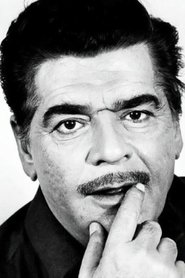
Ajit Khan
Actor
Born: January 27, 1922 in Golconda, Hyderabad, British India Died: October 22, 1998 Active: 1946-1997 Birth Name: Hamid Ali Khan
Films
1 film
About Ajit Khan
Ajit Khan, born Hamid Ali Khan, was an Indian actor who became one of Hindi cinema's most villains. He began his career in the 1940s as a hero but transitioned to supporting and negative roles that would define his legacy. His breakthrough came with films like Naya Daur (1957), where he played a memorable supporting role alongside Dilip Kumar. Ajit's distinctive baritone voice, commanding screen presence, and signature dialogue delivery made him a favorite among audiences despite often playing antagonists. He reached the peak of his career in the 1970s with films like Zanjeer (1973), Yaadon Ki Baaraat (1973), and Kalicharan (1976), creating some of Bollywood's most memorable villain characters. His style of villainy was sophisticated rather than crude, often portraying wealthy, educated antagonists with a flair for dramatic dialogue. Ajit continued working through the 1980s and early 1990s, appearing in over 200 films before his death in 1998, leaving behind an indelible mark on Indian cinema's portrayal of antagonists.
The Craft
On Screen
Ajit Khan developed a unique acting style characterized by his deep, resonant baritone voice and deliberate, dramatic dialogue delivery. He portrayed sophisticated, educated villains who spoke with a distinctive mix of Urdu and English, creating a persona that was both menacing and charismatic. His screen presence was commanding, often using minimal gestures but maximum impact through his voice and intense gaze. Unlike typical Bollywood villains of his era, Ajit's characters were often wealthy, well-dressed antagonists with a flair for the dramatic, making his villainy memorable and entertaining.
Milestones
- Debut as hero in 'Shaheed Latif' (1946)
- Breakthrough supporting role in 'Naya Daur' (1957)
- Iconic villain role as 'Shakaal' in 'Kalicharan' (1976)
- Memorable performance as 'Gabbar Singh's associate' in 'Sholay' (1975)
- Legendary dialogue delivery in 'Zanjeer' (1973)
- Over 200 film appearances spanning five decades
- Transition from leading man to iconic villain
Best Known For
Iconic Roles
Must-See Films
Accolades
Special Recognition
- Remembered as one of Bollywood's most iconic villains
- His dialogues and style remain part of Indian pop culture
- Posthumous recognition for contributions to Hindi cinema
Working Relationships
Worked Often With
Studios
Why They Matter
Impact on Culture
Ajit Khan revolutionized the portrayal of villains in Hindi cinema, transforming them from one-dimensional evil characters into sophisticated, charismatic antagonists. His distinctive dialogue delivery and memorable lines became part of Indian popular culture, with many of his quotes still referenced and parodied in contemporary media. He created a template for the 'stylish villain' that many actors would emulate in subsequent decades. His characters' catchphrases and mannerisms have been referenced in numerous films, TV shows, and advertisements, making him a cultural icon beyond his filmography.
Lasting Legacy
Ajit Khan's legacy endures through his iconic status as one of Hindi cinema's most memorable villains. His influence can be seen in how Bollywood antagonists are portrayed even today, with many modern villains incorporating elements of his sophisticated style. His dialogues have become part of the Indian cultural lexicon, often quoted in everyday conversations and media. The 'Ajit style' of villainy - educated, wealthy, and articulate - changed audience perceptions of what constituted a compelling antagonist in Indian cinema.
Who They Inspired
Ajit Khan influenced generations of Bollywood actors, particularly those specializing in villain roles. His approach to character development, combining menace with sophistication, set a new standard for antagonists in Hindi cinema. Many subsequent villains, from Amrish Puri to modern actors, have incorporated elements of Ajit's style. His distinctive dialogue delivery technique has been studied and emulated by actors and voice artists, making him a reference point for villainous performances in Indian cinema.
Off Screen
Ajit Khan married twice during his lifetime. His first marriage was to a woman named Anita, with whom he had a son named Shahid Ali Khan. After their divorce, he married actress Sara Ali, and they had a son named Zahid Ali Khan. Despite his onscreen villain persona, those who knew him personally described him as a gentle, cultured man who was well-read and spoke multiple languages. He maintained a low profile off-screen and was known for his professionalism and punctuality on film sets.
Education
Educated in Hyderabad before moving to Bombay to pursue acting
Family
- Anita (1946-1955)
- Sara Ali (1957-1998)
Did You Know?
- His famous dialogue 'Sara shahar mujhe Loin ke naam se jaanta hai' from 'Kalicharan' became iconic despite the mispronunciation of 'Lion'
- He was originally cast as a hero in his early films but found greater success as a villain
- His real name was Hamid Ali Khan, but he adopted 'Ajit' as his screen name
- He served in the Indian Air Force briefly before pursuing acting
- His distinctive style of wearing suits and smoking cigars on screen became his trademark
- Many of his dialogues have been remixed and used in modern Bollywood songs and advertisements
- He was known for his punctuality and professionalism on film sets
- Despite playing villains, he was personally a cultured man who loved poetry and literature
- His son Shahid Ali Khan also attempted acting but didn't achieve the same success
- His character Teja's dialogue 'Arre O Sambha' from 'Sholay' became one of Bollywood's most quoted lines
In Their Own Words
Sara shahar mujhe Loin ke naam se jaanta hai (The entire city knows me as Loin)
Arre O Sambha, kitna inaam rakhe hai sarkar ham par? (Hey Sambha, how much reward has the government kept on us?)
Tumko humne paani mein dubona hai, lekin hume ghar se bahar nikaalne ke liye koi nahin aayega (We have to drown you in water, but no one will come to take you out of the house)
Yeh haath humko de de thakur (Give me these hands, Thakur)
Kitne aadmi the? (How many men were there?)
Frequently Asked Questions
Who was Ajit Khan?
Ajit Khan, born Hamid Ali Khan, was a legendary Indian actor who became one of Hindi cinema's most iconic villains. He appeared in over 200 films from the 1940s through the 1990s, known for his sophisticated villain roles and distinctive dialogue delivery.
What films is Ajit Khan best known for?
Ajit Khan is best known for his roles in Naya Daur (1957), Zanjeer (1973), Sholay (1975), Yaadon Ki Baaraat (1973), Kalicharan (1976), and Yaarana (1981). His villain characters in these films became legendary in Bollywood history.
When was Ajit Khan born and when did he die?
Ajit Khan was born on January 27, 1922, in Golconda, Hyderabad, British India, and died on October 22, 1998, in Hyderabad, India, at the age of 76.
What awards did Ajit Khan win?
Despite his immense popularity and iconic status, Ajit Khan did not receive major formal awards during his career. However, he has been posthumously recognized as one of Bollywood's greatest villains and his contributions to cinema are celebrated in Indian popular culture.
What was Ajit Khan's acting style?
Ajit Khan developed a unique acting style characterized by his deep baritone voice, sophisticated dialogue delivery, and commanding screen presence. He portrayed educated, wealthy villains with dramatic flair, creating a template for stylish antagonists in Hindi cinema that influenced generations of actors.