
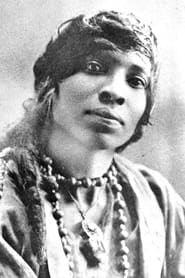
Madame Sul-Te-Wan
Actor
- Born
- March 7, 1873, Louisville, Kentucky, USA
- Died
- February 1, 1959
- Active
- 1915-1951
- Birth name
- Nellie Crawford
Films 1
About Madame Sul-Te-Wan
Madame Sul-Te-Wan was a pioneering African American actress of the silent film era and early sound period, best remembered as one of the first Black women to build a sustained career in Hollywood character roles. Born Nellie Crawford, she began performing on the stage before moving into motion pictures, where she appeared in dozens of films beginning in the 1910s and working steadily for many years afterward. She became especially associated with the films of D. W. Griffith and other early filmmakers, although the roles available to her were largely limited by the racial stereotypes of the era. Even within those constraints, she made a recognizable screen presence out of dignity, poise, and vivid character work, and she is often cited as one of the earliest African American women to achieve visibility in American cinema. Her career is also notable for its longevity and consistency, spanning the silent era into the sound era, when opportunities for Black performers remained severely restricted. Because she was so often cast in servant, maid, or other supporting parts, her importance lies not only in the individual films she appeared in but also in her persistence as a professional working actress in a deeply segregated industry. She remains an important figure in Black film history and in the broader history of women who helped establish a place for African American performers on screen.
More about Madame Sul-Te-Wan
On screen
Madame Sul-Te-Wan was known for a highly expressive, stage-trained style that translated well to silent cinema, where facial expression, posture, and gesture were essential. She often played servants, mothers, or authority figures in supporting roles and brought a memorable combination of dignity, firmness, and theatrical clarity to parts that were frequently written as caricatures. Her performances were shaped by the demands of silent film realism and broad characterization, allowing her to stand out even in brief appearances. In surviving accounts and film histories, she is remembered as a professional, versatile character player who could project authority and emotional presence within restrictive material.
In film history
Madame Sul-Te-Wan’s cultural importance lies in her status as one of the earliest African American women to work consistently in American film, at a time when screen roles for Black performers were extremely limited and often degrading. Her career documents the paradox of early Hollywood: while the industry excluded Black talent from leading roles, it still relied on Black performers for essential supporting parts, and she became one of the most recognizable faces among them. She is significant not only as a performer but as a historical witness to the racial structures of silent-era filmmaking, especially in the years when American cinema was defining its visual language and social myths. Her work has become important to scholars of race, representation, and early film labor because it helps illuminate how Black women navigated, endured, and sometimes subtly resisted the boundaries imposed by the industry.
Later reputation
Her lasting legacy is as a pioneer whose career helped establish a foundation for African American women in motion pictures. Though many of her performances were constrained by the stereotypes of the time, her repeated presence on screen made her an enduring figure in the development of Black visibility in Hollywood. Film historians continue to study her work as part of the broader effort to recover neglected Black performers whose contributions were essential to early cinema. She remains a symbol of persistence, professionalism, and historical importance in the face of exclusion.
Influence
Madame Sul-Te-Wan influenced later generations primarily through example rather than through a direct mentorship record. By sustaining a film career across the silent and early sound eras, she demonstrated that African American women could remain present in the industry even when denied leading opportunities. Her visibility helped make room, historically and symbolically, for later Black actresses and character performers who would build on the groundwork laid by early pioneers. In film scholarship, she is often cited as part of the lineage leading from early Black stage and screen performers to later generations of African American talent in Hollywood.
Off screen
Madame Sul-Te-Wan was born Nellie Crawford in Louisville, Kentucky, and later adopted her stage name for her work on stage and screen. She was married, though detailed documentation about her family life is comparatively limited in mainstream film references, which is common for performers from the early cinema era, especially Black performers whose private lives were often underrecorded. She lived through a period in which African American actresses faced extraordinary barriers in film employment and representation, and her long career reflects both personal resilience and professional adaptability. Her life story is often discussed in the context of Black theatrical and cinematic history rather than through celebrity publicity, making her an especially important figure for historians seeking to recover overlooked pioneers.
Education
Formal educational background is not widely documented in standard film histories; she is generally described as having stage experience before entering motion pictures.
Credits
- Became one of the earliest African American women to sustain a career in American motion pictures
- Appeared in early films associated with D. W. Griffith and the silent era studio system
- Built a long career as a dependable character actress in both silent films and early talkies
- Helped establish a visible presence for Black women in Hollywood during an era of severe racial exclusion
- Remained active in film over multiple decades despite limited roles and industry discrimination
- Is remembered today as a foundational figure in African American film history
Roles
- Supportive domestic and servant roles in early silent films
- Character parts in D. W. Griffith-era productions
- Older matriarchal or community figures in later films
Films
- His Musical Sneeze (1919)
- The Birth of a Nation (1915)
- Intolerance (1916)
- A Man There Was (1917)
- The Faithful Heart (1923)
- The Green-Eyed Monster (1916)
Honors
- Recognized in film history as a pioneering African American actress of the silent era
- Frequently honored in scholarly and retrospective discussions of Black cinema history
Collaborators
- D. W. Griffith
- Silent-era character casts and ensemble players in early Hollywood productions
Studios
- Independent and early studio productions
- D. W. Griffith-associated productions
- Various silent-era film companies
Family
- Unnamed husband (details not consistently documented in standard film references)
Notes
- She was born Nellie Crawford and used Madame Sul-Te-Wan as her professional stage and screen name.
- She is widely regarded as one of the earliest African American women to have a sustained film career in Hollywood.
- Her career began in the silent era and continued into early sound films.
- She often appeared in supporting roles that reflected the racial limitations of the period, yet she became a memorable screen presence.
- She worked during the formative years of American cinema, making her an important figure in film history as well as Black cultural history.
- She is often discussed in relation to D. W. Griffith-era filmmaking and the racial politics of early Hollywood.
- Her long career is especially notable because Black actresses of her generation faced extreme barriers to screen employment.
- She is remembered more by historians than by casual viewers, but she occupies an important place in the recovery of overlooked silent-era performers.
Questions
Who was Madame Sul-Te-Wan?
Madame Sul-Te-Wan was the professional name of Nellie Crawford, an American actress who became one of the earliest Black women to work steadily in Hollywood. She appeared in silent films and early talkies, usually in supporting roles, and is now recognized as a pioneering figure in African American film history.
What films is Madame Sul-Te-Wan best known for?
She is especially associated with early silent cinema, including The Birth of a Nation (1915) and Intolerance (1916), as well as later character work such as His Musical Sneeze (1919). Her filmography includes many supporting appearances across the silent and early sound eras.
When was Madame Sul-Te-Wan born and when did she die?
She was born on March 7, 1873, in Louisville, Kentucky, USA, and died on February 1, 1959. Her life spanned the rise of silent cinema, the transition to sound, and the early modern era of Hollywood.
What awards did Madame Sul-Te-Wan win?
There are no widely documented major industry awards or Oscar nominations associated with Madame Sul-Te-Wan in standard film reference sources. Her recognition today is primarily historical and scholarly, based on her pioneering role in early Black screen performance.
What was Madame Sul-Te-Wan's acting style?
Her style was rooted in stage performance and adapted effectively to silent film, relying on expressive gesture, strong physical presence, and clear emotional communication. She often brought dignity and strength to roles that the scripts reduced to stereotypes, making her performances memorable even in small parts.
What is Madame Sul-Te-Wan's legacy?
Her legacy is that of a pioneering African American actress who helped establish a visible Black female presence in early American cinema. She is remembered for her perseverance in a discriminatory industry and for her importance to the history of representation in Hollywood.