No Poster
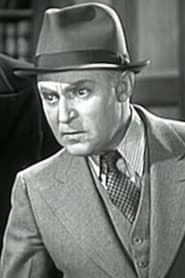
Nat Carr
Actor
Born: September 12, 1886 in New York City, New York, USA Died: July 6, 1944 Active: 1924-1936 Birth Name: Nathan Carr
Films
2 films
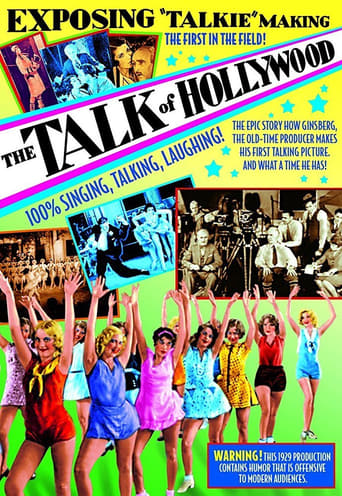
About Nat Carr
Nat Carr, born Nathan Carr, was a prolific American character actor who made his mark during the transition from silent films to early talkies in Hollywood. Beginning his film career in the mid-1920s, Carr quickly established himself as a reliable comic relief performer with his distinctive rotund physique and expressive face. Nat appears in over 70 films between 1924 and 1936, working steadily through the silent era and successfully making the transition to sound pictures. Carr was frequently cast in supporting roles, often as comedic sidekicks, ethnic characters, or figures of authority with a humorous twist. His career included appearances in several notable productions, including Buster Keaton's masterpiece 'The General' (1926) and the 'The Jazz Singer' (1927). As the film industry evolved and tastes changed in the mid-1930s, Carr's roles became less frequent, though he continued working until his death in 1944. His career represents the journey of many character actors of his era who provided essential support to leading players during Hollywood's formative years.
The Craft
On Screen
Nat Carr was known for his physical comedy and expressive facial features, utilizing his rotund build to create memorable comic characters. His style was typical of silent era character actors, relying heavily on visual gags, exaggerated expressions, and physical mannerisms that translated well across both silent and early sound films. Carr often employed a slightly bewildered or pompous demeanor that made his characters instantly recognizable to audiences of the era.
Milestones
- Appeared in Buster Keaton's 'The General' (1926)
- Had a role in the landmark film 'The Jazz Singer' (1927)
- Successfully transitioned from silent films to talkies
- Appeared in over 70 films during his 12-year career
- Worked with major studios including MGM and Warner Bros.
Best Known For
Iconic Roles
Must-See Films
Working Relationships
Worked Often With
Studios
Why They Matter
Impact on Culture
Nat Carr represents the essential but often overlooked character actors who formed the backbone of Hollywood's golden age. His work in the transition from silent to sound films illustrates the adaptability required of performers during this revolutionary period in cinema history. While never a leading man, Carr's contributions to films like 'The General' and 'The Jazz Singer' helped create the supporting performances that defined classic Hollywood cinema. His career trajectory also reflects the changing tastes of American audiences and the evolving nature of film comedy from the broad physical humor of the silent era to the more nuanced performances required by sound technology.
Lasting Legacy
Nat Carr's legacy lies in his contribution to over 70 films during a pivotal decade in Hollywood history. As a reliable character actor, he helped establish the template for supporting comic roles that would influence generations of performers. His successful transition from silent films to talkies demonstrated the versatility required of actors during this technological revolution. While not remembered as a major star, Carr's body of work serves as an important example of the skilled character actors who provided essential depth and humor to classic American cinema.
Who They Inspired
Nat Carr's influence is primarily seen in the tradition of reliable character actors who specialize in comic relief and supporting roles. His ability to adapt from silent to sound films set an example for performers facing technological changes in the industry. The physical comedy techniques he employed influenced later character actors, particularly in the realm of visual humor that remained effective even as cinema evolved. His career demonstrates the importance of character actors in creating memorable ensemble casts that enhance the overall quality of films.
Off Screen
Nat Carr was born Nathan Carr in New York City and later moved to Hollywood to pursue his acting career. Details about his personal life remain relatively scarce, as was common for character actors of his era who lived outside the spotlight of stardom. He worked steadily in the film industry for over a decade before his death in Hollywood in 1944 at the age of 57.
Did You Know?
- Born Nathan Carr, he shortened his name to Nat Carr for his film career
- Appeared in both Buster Keaton's 'The General' and Al Jolson's 'The Jazz Singer' in the same year (1926-1927)
- Worked consistently through the transition from silent films to talkies, a feat many actors couldn't accomplish
- His filmography spans over 70 films in just 12 years, showing his prolific nature as a working actor
- Often typecast in ethnic roles that were common in the era but are now considered problematic
- His final film appearance was in 'Show Boat' (1936), nearly a decade before his death
- Like many character actors of his era, he never received major award recognition despite his substantial body of work
- His rotund physique became his trademark, much like other character actors of the period such as Oliver Hardy
- Died in Hollywood, the city where he built his career, at age 57
- His career coincided with some of the most revolutionary changes in film history
Frequently Asked Questions
Who was Nat Carr?
American character He appeared in over 70 films between 1924 and 1936, often playing comic relief roles and supporting characters. His active years covered the revolutionary transition from silent to sound films.
What films is Nat Carr best known for?
Titles linked here include The General (1926), The Jazz Singer (1927).
When was Nat Carr born and when did he die?
Born September 12, 1886; died July 6, 1944.
What awards did Nat Carr win?
Nat Carr did not receive major awards or nominations during his career, which was common for character actors in supporting roles during his era. Despite appearing in over 70 films and working with major stars, the recognition systems of the time often overlooked supporting performers.
What was Nat Carr's acting style?
Nat Carr specialized in physical comedy and character acting, utilizing his distinctive rotund physique and expressive facial features. His style was typical of silent era performers who relied on visual humor and exaggerated expressions, which successfully transitioned to early sound films where he continued to provide comic relief.
How did Nat Carr transition from silent films to talkies?
Nat Carr successfully made the transition from silent films to talkies, appearing in both formats throughout his career. His physical comedy skills and character acting abilities translated well to sound films, allowing him to continue working steadily through the late 1920s and early 1930s when many silent film actors struggled to adapt.
What was Nat Carr's role in Hollywood history?
Nat Carr represents the essential character actors who formed the backbone of Hollywood's studio system. His career illustrates the importance of reliable supporting performers in creating memorable films, and his successful navigation of the silent-to-sound transition demonstrates the adaptability required during cinema's most revolutionary period.
Did Nat Carr work with any famous directors or stars?
Yes, Nat Carr worked with several notable figures including appearing in Buster Keaton's 'The General' (1926) and Al Jolson's 'The Jazz Singer' (1927). He worked for major studios like MGM and Warner Bros., collaborating with various prominent directors and stars of the era, though always in supporting capacities.