
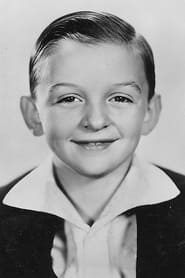
Jackie Searl
Actor
Born: July 7, 1921 in Anaheim, California, USA Died: April 29, 1991 Active: 1931-1941 Birth Name: John E. Searl Jr.
Films
1 film
About Jackie Searl
Prolific child actor during the 1930s who specialized in playing bratty, spoiled, or mischievous characters that audiences loved to hate. Born John E. Searl Jr., he began his film career at the age of 10 and quickly became typecast as the antagonistic child in numerous productions. His distinctive sneer, sharp delivery, and ability to portray entitled children with remarkable authenticity made him recognizable child character actors of his era. Jackie appears in over 40 films during his brief but active career, working with major studios like Paramount and Universal alongside Hollywood's biggest stars. As he entered his teenage years, his roles diminished as he no longer fit the child actor mold that had made him famous. After retiring from acting in the early 1940s, he largely stayed out of the public eye, though he occasionally participated in film nostalgia events. His legacy remains as memorable child character actors of Golden Age Hollywood, particularly known for his ability to make audiences despise his characters.
The Craft
On Screen
Jackie Searl developed a distinctive acting style centered around portraying spoiled, entitled children with remarkable authenticity. His technique featured a characteristic sneer, condescending tone, and sharp, cutting dialogue delivery that made his characters instantly recognizable. He excelled at creating antagonistic child characters that audiences loved to hate, often serving as the perfect foil to more wholesome child stars of the era. His ability to maintain character consistency while delivering memorable lines made him a valuable supporting player in numerous family films and comedies.
Milestones
- Breakthrough role in 'Peck's Bad Boy' (1934) as the spoiled character
- Memorable performance as Sid Sawyer in 'The Adventures of Tom Sawyer' (1938)
- Appeared in over 40 films during his decade-long career
- Worked with major studios including Paramount Pictures and Universal Studios
- Became typecast as the 'bratty kid' character in 1930s cinema
Best Known For
Iconic Roles
Must-See Films
Accolades
Special Recognition
- Recognized as
Working Relationships
Worked Often With
Studios
Why They Matter
Impact on Culture
Jackie Searl's impact on cinema was significant within the context of 1930s Hollywood, where he helped establish the archetype of the 'bratty kid' character in family films. His performances demonstrated that child actors could effectively portray antagonistic roles, expanding the range of characters available to young performers. His work contributed to the development of more nuanced child characters in cinema, moving beyond the purely innocent or sweet roles that had previously dominated. His memorable performances set a standard for child actors playing antagonistic roles, influencing how such characters would be portrayed in subsequent decades of filmmaking.
Lasting Legacy
Jackie Searl's legacy endures as. His ability to create memorable, unlikeable child characters made him an essential part of the 1930s film landscape, and his performances continue to be appreciated by fans of classic cinema. Film historians often cite him as an example of how typecasting could both benefit and limit a child actor's career. His work represents an important chapter in the history of child performers in Hollywood, demonstrating the range and complexity that young actors could bring to their roles even in the studio system era.
Who They Inspired
Jackie Searl influenced subsequent generations of child actors by demonstrating the effectiveness of playing against type as a child performer. His success in portraying antagonistic characters showed that child actors could handle complex, unsympathetic roles with authenticity. His distinctive style and approach to character creation provided a template for other young performers seeking to break away from stereotypical innocent child roles. His work continues to be studied by film scholars interested in the evolution of child performance in cinema.
Off Screen
After retiring from acting, Jackie Searl led a relatively private life away from Hollywood. He served in the United States Army during World War II. Following his military service, he worked in various civilian occupations outside the entertainment industry. He married and had children, choosing to keep his family life out of the public eye. In his later years, he occasionally participated in film nostalgia events and conventions, where fans of classic cinema appreciated his contributions to Golden Age Hollywood films.
Education
Information about his formal education is not widely documented
Family
- Information not publicly available
Did You Know?
- He was often typecast as the spoiled, bratty character in films
- His distinctive sneer became his trademark as a child actor
- He appeared in both 'The Story of Louis Pasteur' and 'The Great Ziegfeld', two films that won Best Picture Oscars
- Despite his on-screen persona, he was reportedly well-liked by his adult co-stars
- He retired from acting before reaching adulthood, as was common with many child stars of his era
- His real name was John E. Searl Jr., but he used Jackie professionally
- He served in the U.S. Army during World War II after leaving acting
- Unlike many child stars, he successfully transitioned to a private life outside Hollywood
- His performances are still featured in classic film retrospectives and festivals
- He was
In Their Own Words
Information about specific quotes from Jackie Searl is not widely documented in historical records
Frequently Asked Questions
Who was Jackie Searl?
Prolific American child with credits in this catalog. He appeared in over 40 movies during his decade-long career and became.
What films is Jackie Searl best known for?
Titles linked here include Peck's Bad Boy (1934), The Adventures of Tom Sawyer (1938).
When was Jackie Searl born and when did he die?
Born July 7, 1921; died April 29, 1991.
What awards did Jackie Searl win?
Jackie Searl did not receive major formal awards or nominations during his career, though he is recognized by film historians as. His legacy lies in his distinctive performances rather than formal accolades.
What was Jackie Searl's acting style?
Jackie Searl developed a distinctive acting style characterized by his trademark sneer, condescending tone, and sharp delivery of dialogue. He excelled at creating authentic spoiled brat characters that served as perfect antagonists in family films and comedies.
Why did Jackie Searl stop acting?
Jackie Searl retired from acting in the early 1940s as he entered his teenage years and no longer fit the child actor roles that had made him famous. Like many child stars of his era, he found it difficult to transition to adult roles and chose to leave the industry.
Did Jackie Searl have a career outside of acting?
Yes, after retiring from acting, Jackie Searl served in the U.S. Army during World War II and later worked in civilian occupations outside the entertainment industry. He maintained a relatively private life away from Hollywood after his acting career ended.