P. Jairaj
Actor
Born: September 28, 1909 in Karimnagar, Hyderabad State, British India (now Telangana, India) Died: August 11, 2000 Active: 1938-1990 Birth Name: Pulla Jairaj
Films
1 film
About P. Jairaj
Pulla Jairaj, known professionally as P. Jairaj, was a figure in Indian cinema who emerged during the transition from silent films to talkies in the 1930s. Born into a family with artistic inclinations, he began his film career at a crucial time when Indian cinema was finding its voice with synchronized sound. His debut in the late 1930s marked the beginning of a remarkable journey that would span over five decades, making him enduring actors in Indian film history. Jairaj quickly established himself as a versatile performer, excelling in both lead and supporting roles across multiple languages including Telugu, Hindi, Tamil, and Kannada films. Throughout his career, he appeared in over 300 films, adapting seamlessly to the changing landscape of Indian cinema from the golden era of the 1940s and 1950s to the modern era of the 1970s and 1980s. His longevity and adaptability made him a respected elder statesman of Indian cinema, often playing patriarchal roles in his later years. Jairaj's contribution to Indian cinema was recognized with prestigious honors, including the Dadasaheb Phalke Award, India's highest award in cinema, cementing his legacy as a true icon of Indian film history.
The Craft
On Screen
P. Jairaj was known for his naturalistic acting style that stood out during the theatrical era of early Indian cinema. He brought subtlety and restraint to his performances, avoiding the exaggerated gestures common in films of his time. His screen presence was commanding yet understated, allowing him to portray a wide range of characters from romantic heroes to stern patriarchs. Jairaj had a particular talent for conveying complex emotions through minimal expression, a technique that made him especially effective in dramatic roles. His ability to adapt his acting style across different film industries and languages demonstrated his versatility as a performer.
Milestones
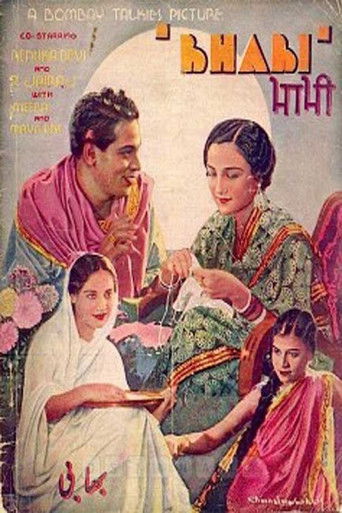
- Debut in Bhabhi (1938)
- Starred in over 300 films
- Worked in multiple Indian languages
- Received Dadasaheb Phalke Award in 1980
- Transitioned successfully from lead to character roles
- Became one of the highest-paid actors of his era
Best Known For
Iconic Roles
Must-See Films
Accolades
Won
- Dadasaheb Phalke Award (1980)
- Andhra Pradesh State Nandi Award for Best Actor
- Filmfare Award nominations
Nominated
- Multiple Filmfare Award nominations for Best Actor
- Nandi Award nominations for supporting roles
Special Recognition
- Dadasaheb Phalke Award (India's highest award in cinema)
- Honored at various film festivals
- Recognized as a pioneer of South Indian cinema
Working Relationships
Worked Often With
Studios
Why They Matter
Impact on Culture
P. Jairaj's impact on Indian cinema extends far beyond his impressive filmography. As one of the earliest stars of Indian talkies, he helped establish the template for film acting in the sound era, moving away from the theatrical style of silent films to more naturalistic performances. His success across multiple language film industries (Telugu, Hindi, Tamil, Kannada) made him one of the first truly pan-Indian film stars, helping to break down regional barriers in Indian cinema. Jairaj was particularly instrumental in the development of the Telugu film industry, which would later become one of India's most prolific film-producing regions. His ability to maintain relevance over five decades, from leading man to respected character actor, provided a model for career longevity in an industry known for its fleeting fame. The dignity and professionalism he brought to his work helped elevate the status of film actors in Indian society during a time when the profession was not always considered respectable.
Lasting Legacy
P. Jairaj's legacy is that of a true pioneer and enduring figure in Indian cinema history. His receipt of the Dadasaheb Phalke Award in 1980 cemented his status as one of Indian cinema's most important contributors. He is remembered not just for the volume of his work (over 300 films) but for the quality and versatility of his performances across different eras of Indian filmmaking. Jairaj's career serves as a bridge between the early days of Indian talkies and the modern era of Indian cinema, having worked with multiple generations of filmmakers and actors. His ability to successfully transition from romantic lead to character actor demonstrated remarkable adaptability and understanding of the changing tastes of Indian audiences. Today, he is studied as an important figure in the history of South Indian cinema, and his films continue to be referenced as classics of their time.
Who They Inspired
P. Jairaj influenced generations of Indian actors through his naturalistic acting style and professional approach to filmmaking. His success in multiple languages inspired later actors to pursue pan-Indian careers rather than remaining confined to regional industries. Many prominent actors of subsequent generations, including N. T. Rama Rao and Akkineni Nageswara Rao, worked with him early in their careers and learned from his experience. Jairaj's ability to age gracefully on screen and accept character roles as he matured provided a model for career sustainability that many actors have since tried to emulate. His dedication to the craft and avoidance of scandal set a professional standard that influenced the culture of filmmaking in South India. The respect he commanded in the industry helped establish film acting as a legitimate and respectable profession in Indian society.
Off Screen
P. Jairaj led a relatively private personal life despite his immense fame. He was married to Lakshmi Devi, and their marriage lasted throughout his lifetime. The couple had several children who grew up away from the limelight of cinema. Jairaj was known for his disciplined lifestyle and dedication to his craft, which contributed to his longevity in the film industry. He maintained strong connections to his roots in Telangana while establishing himself as a pan-Indian film star. In his later years, he became a respected elder in the film community, often sought for advice by younger actors and filmmakers.
Education
Educated in Hyderabad State during British rule, studied at local schools in Karimnagar
Family
- Lakshmi Devi (married 1930s-2000)
Did You Know?
- Was one of the highest-paid actors of his time in Indian cinema
- Appeared in films in five different languages: Telugu, Hindi, Tamil, Kannada, and Urdu
- Started his career during the transition from silent films to talkies
- Was among the first actors to successfully make the transition from lead roles to character roles
- His film 'Lava Kusa' (1963) was one of the biggest box office hits of its time
- Received the Dadasaheb Phalke Award at age 71, recognizing his lifetime contribution to Indian cinema
- Worked with three generations of filmmakers in his long career
- Was known for his punctuality and professionalism on film sets
- Maintained his physique and screen presence well into his 70s
- Never gave interviews to the press, preferring to let his work speak for itself
In Their Own Words
Acting is not about becoming someone else, but about revealing the truth within yourself
The camera never lies, so an actor must always be honest in their performance
Cinema is a reflection of society, and we as actors have a responsibility to that reflection
Success in films is temporary, but the respect you earn is permanent
Every role, big or small, deserves the same dedication and preparation
Frequently Asked Questions
Who was P. Jairaj?
Indian with credits in this catalog. He was one of the earliest stars of Indian talkies and received the Dadasaheb Phalke Award, India's highest honor in cinema, for his lifetime contributions to Indian film.
What films is P. Jairaj best known for?
Titles linked here include Bhabhi (1938), Mala Pilla (1938).
When was P. Jairaj born and when did he die?
Born September 28, 1909; died August 11, 2000.
What awards did P. Jairaj win?
P. Jairaj received the Dadasaheb Phalke Award in 1980, which is India's highest award in cinema. He also won several Andhra Pradesh State Nandi Awards and received multiple Filmfare Award nominations throughout his career for his performances in various films.
What was P. Jairaj's acting style?
P. Jairaj was known for his naturalistic acting style that stood out during the theatrical era of early Indian cinema. He brought subtlety and restraint to his performances, avoiding exaggerated gestures and conveying complex emotions through minimal expression, which made him particularly effective in dramatic roles.
In how many languages did P. Jairaj act?
Versatile with credits in this catalog. His ability to perform across multiple language industries made him one of the first truly pan-Indian film stars.
How did P. Jairaj influence Indian cinema?
P. Jairaj influenced Indian cinema by helping establish naturalistic acting in the talkies era, breaking regional barriers through his pan-Indian career, and setting professional standards through his controversy-free five-decade career. His successful transition from lead to character roles provided a model for career sustainability in the film industry.
What was P. Jairaj's contribution to Telugu cinema?
P. Jairaj was instrumental in the development of the Telugu film industry during its formative years. His early films like 'Mala Pilla' (1938) helped establish the industry, and he continued to be a prominent figure in Telugu cinema through its golden era, working with legendary directors and mentoring future generations of actors.