Leonid Trauberg
Director
Born: January 17, 1902 in Odessa, Russian Empire (now Ukraine) Died: November 14, 1990 Active: 1924-1987 Birth Name: Leonid Zakharovich Trauberg
Films
1 film
About Leonid Trauberg
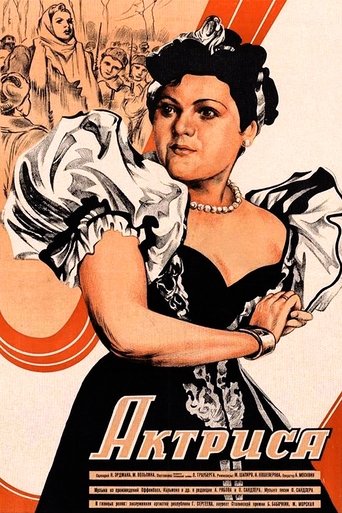
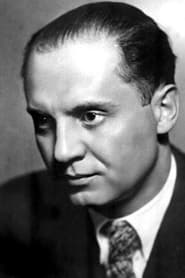
Leonid Zakharovich Trauberg — Soviet film director and screenwriter who formed directing partnerships in early Soviet cinema with Grigori Kozintsev. Born in Odessa, he co-founded the avant-garde theatrical and film collective FEKS (Factory of the Eccentric Actor) in 1921, which revolutionized Soviet artistic expression through its embrace of eccentricity, circus traditions, and American cinema techniques. Together with Kozintsev, Trauberg directed silent films including 'The New Babylon' (1929), a visually stunning depiction of the Paris Commune that showcased their innovative montage and set design. Their transition to sound cinema produced masterpieces like 'Alone' (1931) and the acclaimed Maxim Gorky trilogy ('The Childhood of Maxim Gorky' 1938, 'My Apprenticeship' 1939, 'My Universities' 1940). Trauberg's career was dramatically interrupted in 1948 when he was denounced during Stalin's anti-cosmopolitan campaign, expelled from the Communist Party, and blacklisted from filmmaking for nearly a decade. After Stalin's death, he was rehabilitated and returned to directing, though his later work never achieved the same creative freedom as his early masterpieces. He spent his later years teaching at the Gerasimov Institute of Cinematography (VGIK) and writing memoirs about his revolutionary contributions to Soviet cinema.
The Craft
Behind the Camera
Trauberg's directing style was characterized by revolutionary experimentation, combining elements of constructivism, circus performance, and American silent comedy. He employed dynamic camera movements, expressionistic lighting, and rapid montage sequences to create visually striking narratives. His approach emphasized physical performance and exaggerated gestures, drawing from circus traditions and commedia dell'arte. Trauberg was known for his innovative use of space and architecture within the frame, creating theatrical yet cinematic compositions that challenged conventional storytelling. His sound films demonstrated a sophisticated understanding of audio-visual counterpoint, using sound not merely as accompaniment but as an active narrative element.
Milestones
- Co-founded FEKS (Factory of the Eccentric Actor) in 1921
- Directed 'The New Babylon' (1929), considered a masterpiece of Soviet avant-garde cinema
- Created the acclaimed Maxim Gorky trilogy (1938-1940)
- Persecuted during Stalin's anti-cosmopolitan campaign (1948)
- Rehabilitated and returned to filmmaking after Stalin's death
- Taught at VGIK, influencing generations of Soviet filmmakers
Best Known For
Must-See Films
Accolades
Won
- Order of the Red Banner of Labour (1935)
- Stalin Prize (1941) for 'The Childhood of Maxim Gorky' and 'My Apprenticeship'
- Order of the October Revolution (1972)
- People's Artist of the RSFSR (1987)
Nominated
- Venice Film Festival Golden Lion (1935) for 'The Youth of Maxim'
- Venice Film Festival Mussolini Cup (1937) for 'The Return of Maxim'
Special Recognition
- Honored Artist of the RSFSR (1935)
- Professor at Gerasimov Institute of Cinematography (VGIK)
Working Relationships
Worked Often With
Studios
Why They Matter
Impact on Culture
Leonid Trauberg fundamentally shaped Soviet cinema through his revolutionary approach to filmmaking and his role in establishing the FEKS movement. His early work challenged the emerging socialist realist aesthetic with its embrace of eccentricity, formal experimentation, and international influences. The Maxim Gorky trilogy became canonical works of Soviet cinema, defining how the nation's revolutionary history was portrayed on screen. Trauberg's persecution during the Stalin era exemplified the fraught relationship between artistic innovation and political ideology in the Soviet Union. His later career as an educator at VGIK ensured his cinematic philosophies influenced subsequent generations of Soviet filmmakers, extending his impact well beyond his own directorial output.
Lasting Legacy
Leonid Trauberg's legacy endures through his groundbreaking contributions to cinematic language and his influence on Soviet and international film culture. His early avant-garde works, particularly 'The New Babylon,' are studied worldwide as masterpieces of experimental cinema. The FEKS collective he co-founded represents a crucial moment in the development of Soviet artistic modernism. Despite political persecution that interrupted his career, Trauberg's resilience and continued creative output demonstrated the power of artistic vision in the face of ideological oppression. His theoretical writings and teaching established him as. Today, film scholars recognize Trauberg as a key figure in bridging Soviet avant-garde cinema of the 1920s with the more conventional socialist realist works that followed.
Who They Inspired
Trauberg influenced Soviet cinema through his innovative visual techniques, particularly his use of montage, expressionistic lighting, and dynamic camera movement. His emphasis on physical performance and theatricality inspired subsequent generations of Soviet directors working in both dramatic and comedic genres. The FEKS approach to eccentric performance influenced Soviet comedy directors like Leonid Gaidai. His adaptation of literary works, particularly the Maxim Gorky trilogy, set standards for biographical filmmaking in the Soviet Union. Internationally, his early experimental works influenced European avant-garde filmmakers and continue to be studied in film schools worldwide for their formal innovations.
Off Screen
Leonid Trauberg was married twice during his lifetime. His first marriage was to actress Yelena Kuzmina, who starred in several of his films including 'Alone' and the Maxim trilogy. After their divorce, he married his second wife, with whom he spent his later years. Trauberg had one daughter from his first marriage. Despite facing political persecution and professional setbacks, he maintained his passion for cinema throughout his life and continued to influence Soviet film culture through his teaching and writing.
Education
Odessa Labour School; studied at the Leningrad Institute of Screen Arts (now Saint Petersburg State Institute of Film and Television)
Family
- Yelena Kuzmina (1930s-1940s)
- Second wife (1950s-1990)
Did You Know?
- FEKS (Factory of the Eccentric Actor) was originally conceived as a theatrical workshop before transitioning to film
- Trauberg and Kozintsev's first film 'The Adventures of Oktyabrina' (1924) is now considered lost
- He was denounced as a 'rootless cosmopolitan' during Stalin's anti-Semitic campaign of 1948
- Despite being expelled from the Communist Party, Trauberg was later readmitted during the Khrushchev thaw
- His film 'The New Babylon' featured a score by Dmitri Shostakovich
- Trauberg wrote extensively about film theory, including the influential book 'The Director's Craft'
- He survived the Siege of Leningrad during World War II while continuing to make films
- The Maxim trilogy was
- His early films incorporated elements of American slapstick comedy, particularly Charlie Chaplin's work
- Trauberg was one of the few Soviet directors of his generation to live long enough to see perestroika
In Their Own Words
Cinema is not just entertainment; it is the art of shaping reality through light and movement.
The eccentric actor is not a clown, but a philosopher in motion.
In the factory of eccentricity, we produce not just films, but new ways of seeing.
Political pressure cannot crush artistic vision; it can only test its resilience.
The camera is not merely a recording device but a paintbrush for the canvas of time.
Frequently Asked Questions
Who was Leonid Trauberg?
Soviet on YTB.my.
What films is Leonid Trauberg best known for?
Titles linked here include The New Babylon (1929), Alone (1931).
When was Leonid Trauberg born and when did he die?
Born January 17, 1902; died November 14, 1990.
What awards did Leonid Trauberg win?
Trauberg won the Stalin Prize in 1941, received the Order of the Red Banner of Labour, and was named People's Artist of the RSFSR in 1987 for his contributions to Soviet cinema.
What was Leonid Trauberg's directing style?
Trauberg's directing style combined avant-garde experimentation with elements of circus performance, American silent comedy, and constructivist art, featuring dynamic camera movements, expressionistic lighting, and innovative montage techniques.
Who did Leonid Trauberg frequently collaborate with?
Trauberg's most significant collaborator was Grigori Kozintsev, with whom he formed a directing partnership and co-founded FEKS. He also worked frequently with composer Dmitri Shostakovich and actress Yelena Kuzmina.
What happened to Leonid Trauberg's career in 1948?
In 1948, Trauberg was persecuted during Stalin's anti-cosmopolitan campaign, expelled from the Communist Party, and banned from filmmaking for nearly a decade until his rehabilitation after Stalin's death.
What was FEKS and why was it important?
FEKS (Factory of the Eccentric Actor) was an avant-garde collective founded by Trauberg and Kozintsev in 1921 that revolutionized Soviet cinema through its embrace of eccentricity, formal experimentation, and international influences.