
Pearl White
Actor
Born: March 4, 1889 in Green Ridge, Missouri, USA Died: August 4, 1938 Active: 1910-1924 Birth Name: Pearl Fay White
Films
2 films
About Pearl White
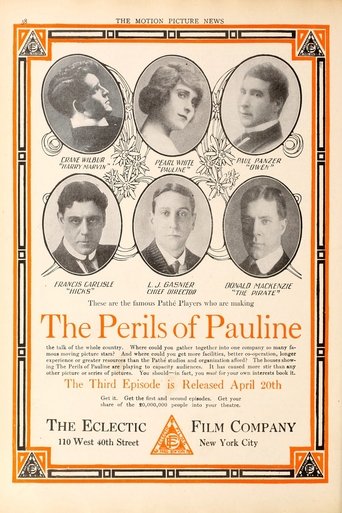
Pearl Fay White was actresses of the silent film era, earning the title 'Queen of the Serials' for her work in adventure serials. Born on a Missouri farm in 1889, she began her career in traveling theater troupes before transitioning to films in 1910. Her breakthrough came with the immensely popular serial 'The Perils of Pauline' (1914), which established her as an international star and made her one of the highest-paid actresses of her time, earning $3,000 per week at the height of her fame. White was renowned for performing her own dangerous stunts, including hanging from cliffs, jumping from moving trains, and escaping elaborate death traps, which set her apart from other actresses of the period. She starred in numerous successful serials throughout the 1910s, including 'The Exploits of Elaine' and 'The Iron Claw,' cementing her status as a action heroine. After retiring from films in the early 1920s, she moved to France where she invested in a nightclub and lived comfortably until her death from cancer in 1938 at age 49. Her legacy as one of cinema's first female action stars adventure films and superheroines to this day.
The Craft
On Screen
Pearl White's acting style was characterized by athletic physicality, expressive melodrama, and fearless stunt work. She specialized in the 'damsel in distress' archetype but transformed it through her active resistance and resourcefulness. Her performances emphasized physical endurance and emotional expressiveness, using broad gestures and facial expressions typical of silent film acting to convey terror, determination, and triumph. White's approach combined theatrical training with natural athleticism, making her action sequences believable and thrilling for audiences.
Milestones
- Breakthrough role in 'The Perils of Pauline' (1914) which became a cultural phenomenon
- Became one of the highest-paid actresses of the silent era at $3,000 per week
- Pioneered female action hero performing her own dangerous stunts
- Starred in over 20 film serials throughout the 1910s
- International stardom with films distributed worldwide
- Successful transition from stage to film career
- Retired wealthy and moved to France in 1924
Best Known For
Iconic Roles
Must-See Films
Accolades
Special Recognition
- Inducted into the St. Louis Walk of Fame
- Star on the Hollywood Walk of Fame (Motion Pictures, 6310 Hollywood Blvd)
- Featured in the Museum of Modern Art's 'Weimar Cinema' exhibition for her influence on German cinema
- Honored in the Smithsonian's 'American Women in Film' exhibition
Working Relationships
Worked Often With
Studios
Why They Matter
Impact on Culture
Pearl White revolutionized the role of women in cinema by transforming the passive damsel into an active, resourceful heroine who fought back against her captors. Her films were among the first to feature a female lead in action sequences, challenging gender norms of the early 20th century. 'The Perils of Pauline' became a cultural touchstone, with the term 'Pauline peril' entering the lexicon to describe any seemingly hopeless situation. Her international popularity helped establish the serial film format as a commercially viable genre and demonstrated the global appeal of American cinema. White's success proved that women could headline action films and draw massive audiences, influencing generations of filmmakers and actresses.
Lasting Legacy
Pearl White's legacy endures as one of cinema's first female action heroes and a figure in the serial film genre. Her influence can be seen in countless later heroines, from Saturday morning serial stars to modern superheroines like Wonder Woman and Black Widow. The serial format she popularized evolved into modern television series and film franchises. Her willingness to perform dangerous stunts set a precedent for physical acting that continues to influence action cinema. Film historians recognize her as a crucial figure in establishing the economic viability of the film industry through her massive box office appeal. White's career demonstrated that women could be bankable stars in their own right, paving the way for greater female representation in leading roles.
Who They Inspired
Pearl White directly influenced the development of the action genre and the portrayal of women in cinema. Her success inspired a wave of serial queens including Ruth Roland, Helen Holmes, and Grace Cunard. German Expressionist filmmakers cited her work as an influence on their own adventure films. Her stunt work inspired future generations of physical performers, from Buster Keaton to modern action stars. The serialized storytelling she popularized influenced the structure of television dramas and modern film franchises. Her business acumen in managing her own career and finances set an example for later actors seeking creative and financial control over their work.
Off Screen
Pearl White's personal life was marked by both success and tragedy. She married twice, first to actor Theodore S. 'Teddy' Stauffer in 1907, which ended in divorce in 1914. Her second marriage was to fellow actor Wallace McCutcheon Jr. In 1919, which also ended in divorce. Despite her on-screen image as a perpetual victim, White was known in Hollywood as a savvy businesswoman who managed her own finances and invested wisely. She never had children but was known for her generosity to friends and fellow performers. After retiring from films, she moved to Paris where she owned the popular nightclub 'Pearl White's' and lived a life of luxury until her death from cancer at age 49.
Education
Limited formal education; attended local schools in Missouri and received theatrical training through traveling theater companies
Family
- Theodore S. Stauffer (1907-1914)
- Wallace McCutcheon Jr. (1919-1921)
Did You Know?
- She performed all her own stunts, including hanging from cliffs and jumping from moving trains, resulting in numerous injuries throughout her career
- At the height of her fame, she received over 5,000 fan letters per week
- Her film 'The Perils of Pauline' was so popular that it spawned unauthorized sequels and imitations worldwide
- She was one of the first actors to receive percentage-based compensation for her films
- Despite her American success, she was more popular in France than in her home country during her later years
- She owned a luxurious villa in the French Riviera where she entertained Hollywood celebrities
- Her films were banned in some countries for being too exciting and potentially dangerous for viewers
- She was an accomplished horsewoman and used her own horses in many of her films
- She was one of the first film stars to establish her own production company
- Her death certificate listed her occupation as 'cinema star' - one of the first times this designation was used officially
In Their Own Words
I'd rather hang from a cliff than sit in a drawing room talking about the weather. That's real acting!
The audience wants to see me in danger, but they also want to see me escape. That's the magic of the serial.
Every fall, every bruise, every near-disaster is worth it when I see the children's faces light up in the audience.
I may play the victim on screen, but in life, I'm the one who writes my own happy ending.
Stunts aren't dangerous when you know what you're doing. The real danger is boring your audience.
Frequently Asked Questions
Who was Pearl White?
Pearl White was. She became an international sensation through her performance in 'The Perils of Pauline' (1914) and was renowned for performing her own dangerous stunts.
What films is Pearl White best known for?
Titles linked here include The Perils of Pauline (1914), The Exploits of Elaine (1914).
When was Pearl White born and when did she die?
Born March 4, 1889; died August 4, 1938.
What awards did Pearl White win?
While Pearl White worked before the establishment of major film awards like the Oscars, she received posthumous recognition including a star on the Hollywood Walk of Fame and induction into the St. Louis Walk of Fame. Her greatest achievement was becoming one of the highest-paid actresses of her time, earning $3,000 per week at her peak.
What was Pearl White's acting style?
Pearl White's acting style combined athletic physicality with dramatic expressiveness typical of silent film performance. She specialized in action sequences and stunt work, using broad gestures and facial expressions to convey emotion. Her approach transformed the passive damsel archetype into an active, resourceful heroine who fought back against adversity.
How did Pearl White influence cinema?
Pearl White revolutionized cinema by establishing the female action hero and popularizing the film serial format. Her success proved women could headline action films and draw massive audiences. Her stunt work set new standards for physical performance in film, and the serialized storytelling she popularized influenced television and modern film franchises.
Why did Pearl White retire so early?
Pearl White retired in 1924 at age 35 while still at the height of her popularity. She had accumulated considerable wealth through smart investments and percentage-based compensation deals. Wanting to enjoy her fortune before the transition to sound films, she moved to France where she owned a successful nightclub and lived comfortably until her death.
Was Pearl White really in danger during her stunts?
Yes, Pearl White genuinely risked her life performing stunts without modern safety equipment. She suffered numerous injuries including broken bones, sprains, and concussions. Her dedication to authenticity in her stunt work was unprecedented and set her apart from other actresses of her era who used doubles for dangerous sequences.