
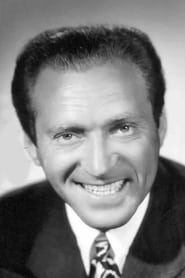
Harry Ritz
Actor
Born: May 22, 1907 in Newark, New Jersey, USA Died: December 29, 1986 Active: 1930s-1970s Birth Name: Harry Joachim
Films
1 film
About Harry Ritz
Harry Ritz, born Harry Joachim, was a prominent American comedian and one-third of the Ritz Brothers comedy trio. Along with his brothers Al and Jimmy, Harry rose to fame in the late 1930s with their unique brand of zany, high-energy musical comedy that combined slapstick, dancing, and rapid-fire patter. The brothers began their career in vaudeville before transitioning to Hollywood films, where they became known for their chaotic but precisely timed comedic routines. Harry, often considered the lead comedian of the trio, brought a manic energy and distinctive voice to their performances. The Ritz Brothers appeared in numerous films for Universal Pictures and other studios throughout the late 1930s and early 1940s, becoming popular supporting players and sometimes headliners. Their career continued with nightclub performances and television appearances in later decades, though their film popularity waned after World War II. Harry remained active in entertainment until his later years, cementing his legacy as an influential figure in American comedy.
The Craft
On Screen
Harry Ritz was known for his manic, high-energy comedic style characterized by rapid-fire delivery, exaggerated facial expressions, and physical comedy. His performances often featured a distinctive gravelly voice and unpredictable timing that set him apart from other comedians of the era. The Ritz Brothers' comedy was more chaotic and less structured than contemporaries like the Marx Brothers, emphasizing musical numbers and dance routines alongside their slapstick humor.
Milestones
- Formed the Ritz Brothers comedy trio with brothers Al and Jimmy
- Signed with Universal Pictures in 1937
- Starred in The Gorilla (1939) with the Marx Brothers' property
- Appeared in over 20 feature films during their peak years
- Transitioned successfully to nightclub and television performances
- Received a star on the Hollywood Walk of Fame
Best Known For
Iconic Roles
Must-See Films
Accolades
Won
- Hollywood Walk of Fame Star (1985)
Special Recognition
- Star on Hollywood Walk of Fame (6649 Hollywood Blvd)
- Honored at the Comedy Hall of Fame
Working Relationships
Worked Often With
Studios
Why They Matter
Impact on Culture
The Ritz Brothers, with Harry as their most prominent member, represented a unique style of comedy that bridged the gap between vaudeville and modern film comedy. Their chaotic, musical-based approach influenced later comedy teams and helped establish physical comedy as a staple of American entertainment. While not as critically acclaimed as some contemporaries, their films were popular with audiences and reflected the escapist entertainment valued during the Great Depression and World War II years. Their success demonstrated the viability of comedy teams in Hollywood and paved the way for future acts.
Lasting Legacy
Harry Ritz and the Ritz Brothers left an enduring legacy in American comedy history. Their films, while sometimes overlooked by critics, remain beloved by classic comedy enthusiasts for their pure entertainment value and energetic performances. The trio's influence can be seen in later comedy acts that incorporated music and dance into their routines. Harry's distinctive comedic style and voice have been referenced and imitated by subsequent generations of comedians. Their star on the Hollywood Walk of Fame serves as a permanent reminder of their contribution to American entertainment.
Who They Inspired
Harry Ritz influenced physical comedians and comedy teams through his unique blend of manic energy and musical comedy. His rapid-fire delivery and chaotic timing inspired later performers who sought to create comedy that was both structured and seemingly spontaneous. The Ritz Brothers' approach to combining comedy with musical numbers influenced variety television shows and comedy specials in later decades. Many modern comedians have cited the Ritz Brothers as an influence on their understanding of physical comedy and timing.
Off Screen
Harry Ritz married twice during his lifetime. His first marriage was to Marion Kessler, with whom he had children. After their divorce, he married Pauline D'Angelo in 1947, who remained his wife until his death. Harry was known to be a devoted family man despite the chaotic nature of his professional life. He maintained close relationships with his brothers throughout their careers, even as they occasionally pursued individual projects. In his later years, Harry suffered from health problems but continued to perform when possible.
Education
Limited formal education, learned performance skills through vaudeville circuit
Family
- Marion Kessler (1930s-1940s)
- Pauline D'Angelo (1947-1986)
Did You Know?
- Born Harry Joachim, he and his brothers changed their name to Ritz for show business
- The Ritz Brothers were often confused with the Marx Brothers, leading to studio rivalry
- Harry was the tallest of the three brothers at 5'10"
- The trio's contract with Universal was
- They appeared with The Andrews Sisters in multiple films
- Harry continued performing with his brothers even after Al's death in 1965
- The Ritz Brothers were known for their elaborate dance routines despite their comic personas
- Harry's distinctive gravelly voice became one of his trademark features
- They were one of the few comedy teams to successfully transition from vaudeville to films to television
- Harry Ritz made his final film appearance in 1976's Won Ton Ton, the Dog Who Saved Hollywood
In Their Own Words
(From The Gorilla) 'I'm not afraid of ghosts, but gorillas give me the creeps!'
'Comedy is serious business - you have to be deadly serious about being funny'
'We never rehearsed - we just went out there and let chaos happen'
'The secret to good comedy is timing. And a good partner to blame when it goes wrong'
Frequently Asked Questions
Who was Harry Ritz?
American comedian and one-third of the Ritz Brothers comedy trio, popular in the late 1930s and 1940s. Known for his manic energy and distinctive voice, he was often considered the lead comedian of the group. Along with his brothers Al and Jimmy, he appeared in numerous Hollywood films and became a beloved figure of Golden Age comedy.
What films is Harry Ritz best known for?
Titles linked here include The Gorilla (1939), The Three Musketeers (1939).
When was Harry Ritz born and when did he die?
Born May 22, 1907; died December 29, 1986.
What awards did Harry Ritz win?
Harry Ritz and the Ritz Brothers received a star on the Hollywood Walk of Fame in 1985, located at 6649 Hollywood Blvd. While they didn't receive major film awards during their active years, their contribution to American comedy was recognized with this honor and their induction into the Comedy Hall of Fame.
What was Harry Ritz's acting style?
Harry Ritz was known for his manic, high-energy comedic style featuring rapid-fire delivery, exaggerated physical comedy, and a distinctive gravelly voice. His performances combined slapstick humor with musical numbers and dance routines, creating a chaotic but precisely timed comedic experience that set the Ritz Brothers apart from other comedy teams of their era.