
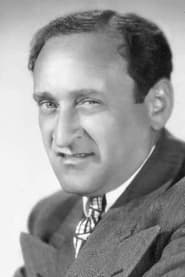
Jimmy Ritz
Actor
Born: October 4, 1904 in Newark, New Jersey, USA Died: November 17, 1985 Active: 1920s-1960s Birth Name: James Ritz
Films
1 film
About Jimmy Ritz
Jimmy Ritz, born James Ritz, was one-third of the comedy trio The Ritz Brothers, alongside his brothers Al and Harry. The trio began their entertainment career in vaudeville before transitioning to Broadway and eventually Hollywood films during the Golden Age of cinema. Jimmy was known for his distinctive straight-man persona within the group, often serving as the anchor to his brothers' more outrageous comedic antics. The Ritz Brothers signed with Universal Pictures in the late 1930s and appeared in numerous musical comedies, becoming known for their energetic, chaotic style that influenced later comedy teams. Their film career peaked in the late 1930s and early 1940s with appearances in pictures like 'The Gorilla' (1939), 'The Three Musketeers' (1939), and 'In the Navy' (1941). After their Hollywood heyday, the brothers continued performing in nightclubs and on television, maintaining their popularity through the 1950s and 1960s. Jimmy Ritz's contribution to comedy was significant, helping establish a style of ensemble physical comedy that would influence generations of performers.
The Craft
On Screen
Jimmy Ritz specialized in the straight-man role within The Ritz Brothers' comedy style, providing a stable foundation for his brothers' more chaotic performances. His approach was characterized by deadpan delivery, subtle timing, and the ability to maintain composure amidst the surrounding comedic mayhem. While less flamboyant than his brothers, Jimmy's restrained style was essential to the trio's success, creating the perfect contrast that made their routines work.
Milestones
- Formation of The Ritz Brothers comedy trio
- Signing with Universal Pictures in 1930s
- Starring in 'The Gorilla' (1939)
- Appearing in 'The Three Musketeers' (1939)
- Transition to television in the 1950s
- Nightclub performances throughout career
- Final film appearances in the 1960s
Best Known For
Iconic Roles
Must-See Films
Accolades
Special Recognition
- Hollywood Walk of Fame Star (with The Ritz Brothers)
Working Relationships
Worked Often With
Studios
Why They Matter
Impact on Culture
Jimmy Ritz and The Ritz Brothers represented a significant bridge between vaudeville comedy and Golden Age Hollywood entertainment. Their style of ensemble physical comedy helped establish conventions that would influence countless comedy performers who followed. The trio's success demonstrated the viability of transferring stage comedy routines to film, paving the way for other comedy teams to make the transition from live performance to cinema. Their work during the 1930s and 1940s provided audiences with escapist entertainment during difficult economic times, contributing to the golden age of Hollywood musical comedies.
Lasting Legacy
Jimmy Ritz's legacy endures through his contributions to American comedy as part of The Ritz Brothers. While perhaps less individually famous than some of his contemporaries, his role as the straight man was crucial to the trio's success and demonstrated the importance of ensemble dynamics in comedy. The Ritz Brothers' films continue to be studied by comedy scholars and appreciated by classic film enthusiasts for their energetic performances and historical significance. Their influence can be seen in later comedy teams that utilized similar dynamics between contrasting personalities.
Who They Inspired
The Ritz Brothers, with Jimmy's essential straight-man contributions, influenced numerous comedy acts that followed, including television comedy ensembles and modern comedy troupes. Their ability to blend physical comedy with musical elements set a template for variety entertainment that would dominate television in its early years. Jimmy's particular style of deadpan response to chaos influenced generations of straight men in comedy, from Desi Arnazz to Kevin Nealon.
Off Screen
Jimmy Ritz was the middle brother of the Ritz comedy trio, maintaining close personal and professional relationships with his siblings throughout his life. Like many performers of his era, he experienced the highs of Hollywood success and the challenges of maintaining relevance as entertainment tastes changed. The brothers remained a tight-knit unit both on and off stage, with their family bonds strengthening their professional performances.
Education
Limited formal education; trained in vaudeville and performance arts through practical experience
Family
- Marion Ritz (married 1927-1985, his death)
Did You Know?
- The Ritz Brothers were not actually brothers - only Al and Jimmy were biological siblings, Harry was adopted
- They began as a dance trio before transitioning to comedy
- The trio was known for improvising much of their material
- They were often compared to The Marx Brothers but had a distinctly different style
- Jimmy was considered the 'normal' one of the trio, making him the audience's anchor
- The Ritz Brothers appeared in over 20 films together
- They were popular entertainers for US troops during World War II
- Their comedy style was more chaotic and less political than The Marx Brothers
- Jimmy was known for his impeccable timing and ability to never break character
- The trio continued performing together until Al's death in 1965
In Their Own Words
Comedy is timing - and knowing when not to say anything
In a trio, everyone has their job. Mine was to keep the chaos from spinning completely out of control
We weren't trying to be the Marx Brothers - we were trying to be the Ritz Brothers
The secret to our success was simple: we loved making people laugh
Vaudeville taught us everything we needed to know about entertainment
Frequently Asked Questions
Who was Jimmy Ritz?
Jimmy Ritz was one-third of The Ritz Brothers comedy trio, active during Hollywood's Golden Age. He served as the straight man alongside his brothers Al and Harry, appearing in numerous comedy films from the 1930s through the 1960s.
What films is Jimmy Ritz best known for?
Titles linked here include The Gorilla (1939), The Three Musketeers (1939).
When was Jimmy Ritz born and when did he die?
Born October 4, 1904; died November 17, 1985.
What awards did Jimmy Ritz win?
While Jimmy Ritz did not receive major individual acting awards, The Ritz Brothers were honored with a star on the Hollywood Walk of Fame recognizing their collective contributions to entertainment. Their legacy lies more in their influence on comedy than in formal accolades.
What was Jimmy Ritz's acting style?
Jimmy Ritz specialized in the straight-man role within The Ritz Brothers, characterized by deadpan delivery and impeccable timing. He provided the stable foundation that allowed his brothers' more outrageous comedic antics to shine, creating the perfect contrast that made their routines successful.
Were The Ritz Brothers really brothers?
Not exactly - of The Ritz Brothers, only Al and Jimmy were biological siblings. Harry was adopted by the Ritz family, but the three performed as brothers throughout their entire career, maintaining such close bonds that their familial relationship extended beyond blood ties.
How did Jimmy Ritz influence comedy?
Jimmy Ritz helped establish the template for the straight man in comedy ensembles, demonstrating how a restrained performance could enhance chaotic comedy. His work with The Ritz Brothers influenced later comedy teams and helped bridge vaudeville comedy with Hollywood film entertainment.