Films
1 film
About Josef Berne
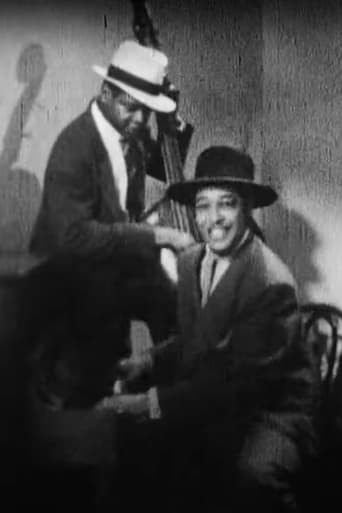
Josef Berne remains an enigmatic figure in classic cinema history, with very limited documented information available about his life and career. According to film records, he directed the 1942 musical short 'Jam Session,' which appears to be his only known directorial credit. The scarcity of biographical information suggests that Berne may have been a journeyman filmmaker who worked briefly in the industry, possibly as a short subject director during the studio system era. His work on 'Jam Session' represents his sole documented contribution to Hollywood's Golden Age, making him one of the more mysterious figures from this period of cinema history. The lack of extensive records about his career trajectory, training, or subsequent activities indicates that he may have left the film industry shortly after this production or worked in capacities that were not well documented in contemporary film archives.
The Craft
Behind the Camera
Limited information available, but based on 'Jam Session' being a musical short, likely specialized in musical performance filming and short-form entertainment content
Milestones
- Directed the musical short 'Jam Session' (1942)
Best Known For
Must-See Films
Why They Matter
Impact on Culture
Josef Berne's impact on cinema appears to be minimal due to the limited scope of his documented work. As a director of a single musical short in 1942, his contribution represents the type of specialized filmmaking that supported the studio system's need for varied programming. Musical shorts like 'Jam Session' served as important showcases for musical talent and provided entertainment between feature presentations in theaters, but individual directors of these shorts rarely achieved lasting recognition.
Lasting Legacy
Josef Berne's legacy is primarily that of a representative example of the many anonymous craftsmen who contributed to Hollywood's Golden Age without achieving widespread fame. His work illustrates the vast ecosystem of filmmakers who created the diverse content that filled theater screens during the studio era. While not a major figure in film history, directors like Berne were essential to the industry's ability to produce the volume and variety of entertainment that characterized classic Hollywood cinema.
Who They Inspired
Due to the limited documentation of his work and career, it's difficult to trace Josef Berne's influence on other filmmakers. Directors of musical shorts typically worked within established studio conventions and formulas, making individual stylistic influences harder to identify. His work would have been part of the broader tradition of short-form musical entertainment that flourished during the 1930s and 1940s.
Off Screen
Very little personal information is documented about Josef Berne in available film history sources, which is not uncommon for short subject directors from this era who often worked behind the scenes without significant public recognition.
Did You Know?
- Josef Berne's entire known directorial career consists of a single film from 1942
- The lack of biographical information about Berne is not unusual for directors who specialized in short subjects during the Golden Age
- Musical shorts like 'Jam Session' were often used to showcase musical talent and promote recordings
- Directors of shorts frequently worked anonymously, with the focus being on the featured performers rather than the filmmakers
- The year 1942 was during World War II, when Hollywood was producing content to boost morale and provide entertainment
- Short subjects were an important part of theater programming during the studio era, often shown before feature presentations
Frequently Asked Questions
Who was Josef Berne?
on YTB.my.' Very little biographical information is available about him, suggesting he may have been a journeyman filmmaker who worked briefly in the industry.
What films is Josef Berne best known for?
Titles linked here include Jam Session (1942).
When was Josef Berne born and when did he die?
Unfortunately, birth and death dates for Josef Berne are not documented in available film history sources, which is not uncommon for directors who worked primarily in short subjects during the Golden Age of Hollywood.
What awards did Josef Berne win?
There are no documented awards or nominations for Josef Berne in available film history records, which is typical for directors who worked on short subjects rather than feature films during this era.
What was Josef Berne's directing style?
Limited information is available about Josef Berne's directing style, but based on his work on 'Jam Session,' he likely specialized in musical performance filming and short-form entertainment content, working within the conventions of studio-era short subject production.