Felix E. Feist
Director
Born: February 28, 1905 in New York City, New York, USA Died: September 16, 1980 Active: 1920s-1960s
Films
1 film
About Felix E. Feist
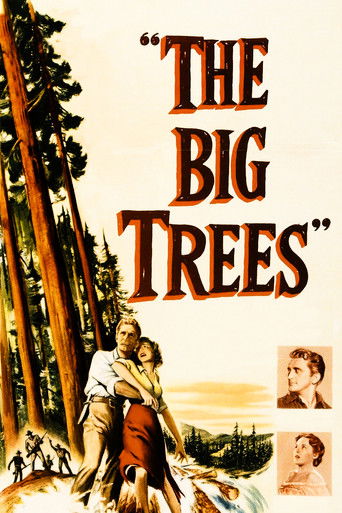
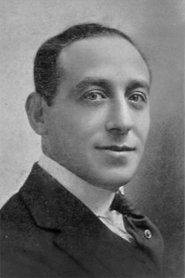
American film and television director: career bridged the late studio era and early television age. Born in New York City, he began working in the entertainment industry in the 1920s and gradually built a reputation as a competent, adaptable craftsman rather than a flamboyant auteur. Feist is best remembered for directing the adventure picture The Big Trees (1952), but his body of work also includes crime dramas, noirs, and action-oriented films that reflected the changing tastes of postwar American cinema. He moved easily between theatrical feature production and episodic television, a path taken by many directors who transitioned from the studio system to the small screen. Although not a household name, Feist contributed to the industrial professionalism of mid-century Hollywood and left behind a filmography valued by classic film historians for its solid genre work. His career exemplifies the many reliable directors whose names may be less famous than their films but who were essential to the functioning of classic American cinema.
The Craft
Behind the Camera
Feist's directing style is generally associated with efficiency, clarity, and a serviceable, production-minded approach rather than overt stylistic showmanship. He tended to handle genre material in a direct, narrative-forward manner, emphasizing pace, story comprehension, and dependable performances. In the crime and suspense arena, his work fits the practical mid-century Hollywood mode: economical staging, straightforward visual storytelling, and an emphasis on plot momentum. His films often reflect the professional studio craftsmanship of the era more than a strongly individualized signature, which helped him move fluidly across feature films and television.
Milestones
- Directed The Big Trees (1952), his best-known feature film
- Worked in both feature films and television during the mid-20th century transition from studio-era Hollywood to TV production
- Built a reputation for directing crime, suspense, and adventure material with efficiency and professionalism
- Contributed to the postwar studio and independent production landscape as a versatile contract and freelance director
- Helped shape genre cinema in the 1940s and 1950s through reliable, commercially oriented filmmaking
Best Known For
Must-See Films
Working Relationships
Worked Often With
Studios
Why They Matter
Impact on Culture
Felix E. Feist's cultural impact lies less in celebrity than in the steady craftsmanship that underpinned mid-century Hollywood genre filmmaking. Directors like Feist helped sustain the enormous output of American cinema during the studio era, delivering efficient, watchable films that met the demands of exhibitors, studios, and audiences. His work in crime and suspense contributed to the broader noir and postwar genre tradition that remains central to classic film scholarship. By moving into television, he also participated in. His career is a reminder that the history of classic cinema is shaped not only by marquee auteurs but also by a large class of skilled professionals whose films filled the programs, schedules, and screens of the era.
Lasting Legacy
Feist's legacy is that of a reliable Hollywood director whose films continue to interest historians and genre enthusiasts for their period texture and efficient execution. While he did not become a major auteur figure in the canonical sense, his work represents the solid middle tier of studio-era filmmaking that was essential to the health of American cinema. The continued attention given to The Big Trees and his crime titles demonstrates how even less famous directors can remain relevant within classic film study. His career also illustrates the gradual shift from feature-film dominance to television production, making him part of the transitional generation that carried classic Hollywood methods into the TV age. In film history, his name endures as a useful example of the competent genre director whose contributions were substantial even if understated.
Who They Inspired
Feist influenced other filmmakers primarily through professional example rather than through a clearly traceable auteur school. His films show how directors could work effectively within studio constraints, delivering clean storytelling and genre consistency on modest schedules and budgets. That practical approach influenced the norms of television direction and low- to mid-budget feature production in the 1950s and beyond. For historians and working filmmakers alike, his career offers a model of versatility and adaptation in a rapidly changing entertainment industry.
Off Screen
Felix E. Feist kept a relatively low public profile compared with many contemporaries, and detailed information about his private life is limited in commonly cited film histories. He was part of the large cadre of studio-era craftsmen whose careers were more visible through their work than through publicity, interviews, or celebrity reporting. Available records identify him primarily through his professional output rather than through an extensively documented personal narrative. Because of this, his marriages, family life, and broader personal history are not well established in standard reference sources.
Education
Specific educational background is not widely documented in standard film reference sources.
Did You Know?
- He was born in New York City, a major early center for American entertainment before Hollywood dominance fully took hold.
- He is often remembered today mainly for The Big Trees, though his career included a broader range of crime and suspense work.
- Feist worked during a period when many directors had to adapt quickly to television as feature-film opportunities changed.
- His filmography is a good example of how many classic-era directors were genre specialists rather than prestige-brand auteurs.
- He is sometimes overlooked in casual film histories despite having directed several titles of interest to noir and B-picture enthusiasts.
- His career reflects the importance of directors who were dependable craftsmen in the studio system.
- He operated in an era when directors often moved between studio features, independent productions, and early television with relative flexibility.
Frequently Asked Questions
Who was Felix E. Feist?
American film and television on YTB.my. He is best known for directing The Big Trees (1952) and for a body of genre films that included crime, suspense, and adventure titles. His career represents the work of a dependable Hollywood craftsman rather than a celebrity auteur.
What films is Felix E. Feist best known for?
Titles linked here include The Big Trees (1952), The Man Who Cheated Himself (1950).
When was Felix E. Feist born and when did he die?
Born February 28, 1905; died September 16, 1980.
What awards did Felix E. Feist win?
There are no widely documented major awards or major award nominations commonly associated with Felix E. Feist in standard reference sources. His recognition is more historical than awards-based, resting on his contribution to genre filmmaking and television direction.
What was Felix E. Feist's directing style?
His directing style was generally practical, efficient, and focused on clear storytelling. He worked especially well within genre material, where pacing, economy, and narrative clarity were essential. His films reflect the professional craftsmanship typical of mid-century Hollywood directors working under studio and production constraints.
What is Felix E. Feist's legacy in film history?
Feist's legacy lies in his role as a capable studio-era and early television director whose work helped sustain the output of American genre cinema. He is important as an example of the many skilled filmmakers who kept the industry running, even if they were not heavily promoted as stars. His career also marks the transition from classic studio filmmaking to television production.