
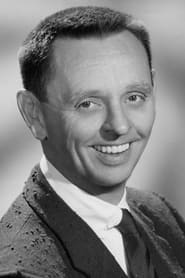
Knox Manning
Actor
Born: January 17, 1904 in Worcester, Massachusetts, USA Died: August 15, 1980 Active: 1930s-1950s
Films
2 films
About Knox Manning
American actor and narrator best known for his authoritative voice work in documentary films during the 1940s. Born in Worcester, Massachusetts, Manning began his career in radio before transitioning to film narration, where his clear, commanding delivery made him ideal for wartime propaganda and educational content. His most significant contribution came through his work on Frank Capra's acclaimed 'Why We Fight' series, where he served as the primary narrator for several installments including 'Divide and Conquer' (1943). Manning's distinctive baritone voice and earnest delivery style helped convey the gravity of World War II to American audiences, making complex geopolitical concepts accessible and compelling. Beyond his documentary work, he also appeared in several feature films and continued his voice acting career through the 1950s. His later years saw him transition into television work, though he remained most remembered for his wartime contributions to cinema history.
The Craft
On Screen
Known for his authoritative, clear, and earnest vocal delivery style that conveyed gravitas and credibility, particularly suited for documentary narration and educational content.
Milestones
- Narrator for Frank Capra's 'Why We Fight' series
- Voice work in wartime propaganda films
- Radio broadcasting career
- Television narration work in the 1950s
Best Known For
Iconic Roles
Must-See Films
Accolades
Special Recognition
- Contributed to Academy Award-winning 'Why We Fight' series
Working Relationships
Worked Often With
Studios
Why They Matter
Impact on Culture
Knox Manning's voice became synonymous with American wartime propaganda during World War II, helping to shape public understanding and opinion about the global conflict. His authoritative narration in the 'Why We Fight' series reached millions of Americans and was instrumental in building support for the war effort. The series, featuring Manning's distinctive delivery, was so effective that it won the Academy Award for Best Documentary Feature and remains a landmark in documentary filmmaking history. His work demonstrated the power of voice and narration in persuasive communication, influencing future generations of documentary filmmakers and narrators.
Lasting Legacy
Knox Manning's lasting legacy lies in his contribution to. His voice became the sound of American wartime resolve, helping to educate and motivate an entire generation during one of history's most critical periods. The 'Why We Fight' series continues to be studied by film scholars and historians, with Manning's narration serving as a prime example of effective documentary voice work. His influence can be seen in subsequent documentary narrators who adopted similar authoritative and earnest delivery styles.
Who They Inspired
Manning's work influenced the field of documentary narration by establishing a template for authoritative, educational voice delivery that balanced gravitas with accessibility. His success in the 'Why We Fight' series demonstrated how effective narration could transform complex geopolitical information into compelling, emotionally resonant content. This approach influenced future documentary filmmakers and voice artists in both wartime and peacetime productions.
Off Screen
Knox Manning maintained a relatively private personal life, with most public attention focused on his professional work rather than his private affairs. His active years covered multiple mediums including radio, film, and television, showcasing his versatility as a voice artist. Manning's contribution to wartime morale through his documentary narration work was particularly significant during World War II.
Did You Know?
- His full name was actually Knox Manning, with no stage name involved
- The 'Why We Fight' series he narrated was commissioned directly by the U.S. Government
- Frank Capra personally selected Manning for the narration role due to his distinctive voice
- The series was shown to both military personnel and civilian audiences
- Manning's narration helped explain complex military strategies to everyday Americans
- His voice work was considered so effective that it was used in training materials for years after the war
- The 'Why We Fight' series was one of the first documentary series to win an Academy Award
- Manning's clear, deliberate delivery style became the standard for educational films of the era
In Their Own Words
From the narration in 'Divide and Conquer': 'The German war machine rolls on, crushing everything in its path.'
From 'The Battle of Britain': 'In the summer of 1940, Britain stood alone against the Nazi juggernaut.'
Frequently Asked Questions
Who was Knox Manning?
American with credits in this catalog. His distinctive baritone voice and earnest delivery made him ideal for wartime propaganda and educational films.
What films is Knox Manning best known for?
Titles linked here include Why We Fight: Divide and Conquer (1943), Why We Fight: The Battle of Britain (1943).
When was Knox Manning born and when did he die?
Born January 17, 1904; died August 15, 1980.
What awards did Knox Manning win?
While Manning himself did not receive individual awards, he was the primary narrator for the 'Why We Fight' series, which won the Academy Award for Best Documentary Feature in 1942. His contribution to this award-winning series was significant and widely recognized.
What was Knox Manning's acting style?
Manning's style was characterized by his authoritative, clear, and earnest vocal delivery that conveyed gravitas and credibility. His distinctive baritone voice and deliberate pacing made complex information accessible and compelling, perfect for documentary narration and educational content.