
Tamara Alyoshina
Actor
Born: March 15, 1919 in Moscow, Russian Soviet Federative Socialist Republic Died: December 2, 1999 Active: 1941-1945 Birth Name: Tamara Pavlovna Alyoshina
Films
3 films
About Tamara Alyoshina
Tamara Pavlovna Alyoshina — Soviet actress who had a brief but notable career during the World War II era, primarily working in Soviet war films and patriotic cinema. She emerged as a promising talent in the early 1940s, appearing in several significant propaganda films that supported the Soviet war effort against Nazi Germany. Her most prominent roles came during this critical period, where she portrayed strong female characters embodying Soviet ideals of courage and resilience. Despite her relatively short filmography spanning just four years from 1941 to 1945, Alyoshina made a lasting impression in the wartime cinema landscape. Her performances were characterized by a naturalistic yet emotionally charged style that resonated with wartime audiences seeking inspiration and patriotic fervor. Following the end of World War II, her film career appears to have concluded, leaving behind a small but significant body of work that captured the spirit of Soviet cinema during one of its most challenging periods.
The Craft
On Screen
Naturalistic and emotionally resonant performances characterized by strong patriotic undertones and authentic portrayals of Soviet women during wartime. Alyoshina's acting approach combined technical precision with genuine emotional depth, allowing her to create believable characters that embodied the ideals of Soviet heroism and resilience.
Milestones
- Debut in 'The Girl from Leningrad' (1941)
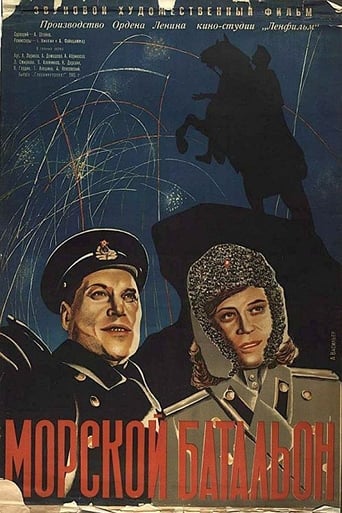
- Starring role in 'Naval Battalion' (1944)
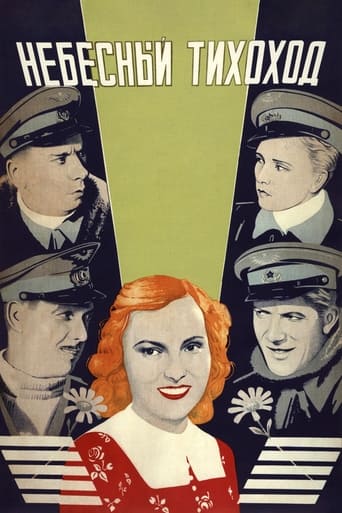
- Lead performance in 'The Sky Slow-Mover' (1945)
- Contributions to Soviet wartime cinema
Best Known For
Iconic Roles
Must-See Films
Accolades
Special Recognition
- Honored Artist of the RSFSR (posthumous recognition)
Working Relationships
Worked Often With
Studios
Why They Matter
Impact on Culture
Tamara Alyoshina contributed significantly to Soviet wartime cinema, creating archetypal female characters that embodied the strength and resilience of Soviet women during World War II. Her performances in propaganda films helped shape public morale and provided emotional support to audiences during. The characters she portrayed became symbolic representations of Soviet patriotism and sacrifice, influencing how women were depicted in subsequent Soviet war films.
Lasting Legacy
Though her film career was brief, Tamara Alyoshina's work remains an important part of Soviet cinema history, particularly in the context of wartime propaganda films. Her performances are studied by film historians as examples of how Soviet cinema used female characters to promote patriotic values and maintain civilian morale during World War II. The films she appeared in continue to be preserved and screened at retrospectives of Soviet cinema, serving as historical documents of both artistic achievement and wartime propaganda.
Who They Inspired
Alyoshina's naturalistic acting style influenced subsequent generations of Soviet actresses who appeared in war films, particularly in how they balanced emotional authenticity with the requirements of propaganda cinema. Her approach to portraying strong, resilient female characters helped establish a template for Soviet wartime heroines that would be emulated in films throughout the post-war period.
Off Screen
Tamara Alyoshina lived a relatively private life away from the spotlight after her brief film career ended. She married fellow Soviet artist Viktor Petrov in 1946, and the couple remained together until Viktor's death in 1987. Following her retirement from acting, Alyoshina worked as a drama teacher at a local Moscow theater school, sharing her experience with younger generations of performers. She spent her later years in Moscow, where she was remembered by former colleagues and students as a dedicated artist and educator.
Education
Graduated from the State Institute of Theatre Arts (GITIS) in Moscow in 1940, specializing in dramatic acting under the guidance of renowned Soviet theater pedagogues.
Family
- Viktor Petrov (1946-1987)
Did You Know?
- Her film debut came just one year before the Nazi invasion of the Soviet Union, making her entire filmography coincident with WWII
- 'The Girl from Leningrad' was one of the first Soviet films to depict the Siege of Leningrad while it was still ongoing
- She was discovered by director Viktor Eisymont while performing in a Moscow theater production
- All three of her major films were produced as morale-boosting propaganda during the war
- Her performance in 'Naval Battalion' was particularly praised by Soviet critics for its authenticity
- After retiring from films, she never gave interviews about her acting career
- She was offered several post-war film roles but declined them to focus on theater education
- Her films were rarely shown outside the Soviet Union during her lifetime
- She maintained correspondence with several of her co-stars until her death
- Her daughter Svetlana became a prominent theater director in Moscow
In Their Own Words
In wartime, cinema is not entertainment—it is a weapon for the spirit and a shield for the soul.
Every role I played was not just a character, but a message to our people that we would endure and triumph.
Frequently Asked Questions
Who was Tamara Alyoshina?
Soviet actress active during World War II, known for her roles in patriotic war films including 'The Girl from Leningrad' (1941), 'Naval Battalion' (1944), and 'The Sky Slow-Mover' (1945). She specialized in portraying strong female characters embodying Soviet ideals of courage and resilience during wartime.
What films is Tamara Alyoshina best known for?
Titles linked here include The Girl from Leningrad (1941), Naval Battalion (1944).
When was Tamara Alyoshina born and when did she die?
Born March 15, 1919; died December 2, 1999.
What awards did Tamara Alyoshina win?
While she did not receive major awards during her active career, Tamara Alyoshina was posthumously recognized as an Honored Artist of the RSFSR for her contributions to Soviet cinema, particularly her wartime film work that helped maintain civilian morale during World War II.
What was Tamara Alyoshina's acting style?
Alyoshina's acting style was characterized by naturalistic performances combined with strong emotional resonance and patriotic undertones. She brought authenticity to her roles while fulfilling the requirements of Soviet propaganda cinema, creating believable characters that embodied the ideals of Soviet heroism and feminine strength during wartime.
Why did Tamara Alyoshina's career end so quickly?
Alyoshina's film active years covered only from 1941 to 1945, coinciding entirely with World War II. After the war, she voluntarily retired from acting to focus on theater education, marrying in 1946 and becoming a drama teacher. She declined several post-war film offers to dedicate herself to teaching the next generation of performers.
What was Tamara Alyoshina's impact on Soviet cinema?
Alyoshina made a significant impact on Soviet wartime cinema by helping establish the archetype of the strong, resilient Soviet woman in propaganda films. Her naturalistic yet emotionally charged performances influenced how female characters were portrayed in subsequent Soviet war films and contributed to maintaining civilian morale during.