
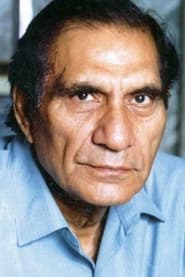
B.R. Chopra
Director
Born: April 22, 1914 in Lahore, Punjab, British India (now Pakistan) Died: November 5, 2008 Active: 1951-2008 Birth Name: Baldev Raj Chopra
Films
1 film
About B.R. Chopra
Baldev Raj Chopra, known professionally as B.R. Chopra, was an Indian film director and producer who revolutionized Hindi cinema with his socially relevant themes and innovative storytelling. Born in Lahore in 1914, he began his career as a film journalist before moving to Bombay to pursue filmmaking. He founded B.R. Films in 1955, which became one of India's most respected production houses. His directorial debut came with 'Afsana' (1951), but it was 'Naya Daur' (1957) that established him as a major force in Indian cinema, addressing the conflict between traditional values and modernization. Throughout his career, Chopra consistently tackled pressing social issues through his films, including communal harmony, women's rights, and justice. He transitioned successfully to television in the 1980s, creating the epic series 'Mahabharat' which became a cultural phenomenon. His contributions to Indian cinema earned him the Dadasaheb Phalke Award, India's highest honor in cinema, cementing his legacy as filmmakers in Indian history.
The Craft
Behind the Camera
B.R. Chopra was known for his socially conscious filmmaking style, often addressing contemporary issues and moral dilemmas. He had a knack for blending entertainment with meaningful messages, creating films that were both commercially successful and critically acclaimed. His direction emphasized strong character development and realistic portrayals of social conflicts. He was particularly skilled at creating tension and drama in courtroom settings and family dynamics. Chopra's visual style was clean and focused, always serving the narrative rather than overwhelming it. He believed in the power of cinema to effect social change and consistently chose subjects that challenged societal norms and prejudices.
Milestones
- Founded B.R. Films in 1955
- Directed the groundbreaking film 'Naya Daur' (1957)
- Created India's most successful television series 'Mahabharat' (1988-1990)
- Received Dadasaheb Phalke Award in 1998
- Pioneered socially relevant cinema in India
- Directed India's first courtroom drama 'Kanoon' (1960)
Best Known For
Must-See Films
Accolades
Won
- Dadasaheb Phalke Award (1998)
- Padma Bhushan (2001)
- Filmfare Best Director Award for 'Kanoon' (1961)
- Filmfare Best Director Award for 'Dhool Ka Phool' (1960)
- National Film Award for Best Feature Film for 'Naya Daur' (1957)
Nominated
- Multiple Filmfare nominations throughout his career
- National Film Award nominations for various films
Special Recognition
- Dadasaheb Phalke Award (India's highest award in cinema)
- Padma Bhushan (India's third-highest civilian award)
- Lifetime Achievement Award from various film organizations
Working Relationships
Worked Often With
Studios
Why They Matter
Impact on Culture
B.R. Chopra fundamentally changed Indian cinema by proving that socially relevant films could be commercially successful. His films often addressed taboo subjects and challenged societal norms, paving the way for more progressive cinema in India. 'Naya Daur' sparked a national conversation about industrialization versus traditional livelihoods, while 'Kanoon' introduced the courtroom drama genre to Indian cinema. His television series 'Mahabharat' brought Indian mythology to every household and became a unifying cultural phenomenon, with streets emptying during its broadcast times. Chopra's work influenced generations of filmmakers to prioritize meaningful content alongside entertainment value.
Lasting Legacy
B.R. Chopra's legacy extends far beyond his films; he created a blueprint for socially conscious commercial cinema that continues to influence Indian filmmakers. B.R. Films remains one of India's most respected production houses. His emphasis on quality storytelling and social relevance set new standards in the industry. The success of 'Mahabharat' demonstrated the potential of television as a medium for cultural storytelling. His mentoring of his brother Yash Chopra helped create another cinematic legend, making the Chopra name synonymous with quality Indian cinema. Today, he is remembered as a visionary who used cinema as a tool for social change while never compromising on entertainment value.
Who They Inspired
B.R. Chopra influenced countless Indian filmmakers by demonstrating that commercial cinema could tackle serious social issues without sacrificing box office success. His approach to blending entertainment with social messages inspired directors like Shyam Benegal, Govind Nihalani, and later, directors such as Rajkumar Hirani. His success with television paved the way for other film directors to explore the medium. The Chopra family's dominance in Indian cinema for over five decades shows his lasting influence. His films continue to be studied in film schools for their narrative structure and social commentary.
Off Screen
B.R. Chopra was married to Prakash Chopra and had two sons, Ravi and Shashi. His younger brother Yash Chopra also became a legendary film director, creating a true dynasty of filmmakers in Indian cinema. The family maintained strong ties within the film industry, with both sons following in their father's footsteps. Despite his professional success, Chopra was known for his simple lifestyle and dedication to his craft. He was deeply respected in the industry for his integrity and commitment to quality filmmaking.
Education
Graduated from Government College, Lahore; studied law at Lahore University before switching to journalism
Family
- Prakash Chopra
Did You Know?
- 'Naya Daur' was the first Indian film to be shot in CinemaScope
- He started his career as a film journalist with the newspaper 'Cine Herald'
- His brother Yash Chopra worked as an assistant director on several of his early films
- 'Mahabharat' remains -watched television series in world history
- He was one of the first filmmakers to address the issue of widow remarriage in 'Gumrah'
- His film 'Kanoon' was notable for having no songs, unusual for Indian cinema at the time
- He turned down an offer from the Pakistani government to make films there after partition
- B.R. Films also produced the successful 'Inspector Eagle' television series
- He was known for his meticulous planning and often spent months researching before starting a project
- His films often featured strong female characters ahead of their time
In Their Own Words
Cinema is not just entertainment; it's a medium to bring about social change
A film should make you think, not just make you forget your problems for three hours
I make films for the common man, about the common man, and with the common man in mind
Success in cinema comes not from stars, but from stories that touch people's hearts
If my films can make even one person think differently about society, I consider my work done
Frequently Asked Questions
Who was B.R. Chopra?
Indian on YTB.my.R. Films and created socially relevant cinema. He was known for films like 'Naya Daur' and the television series 'Mahabharat', becoming one of India's most influential filmmakers.
What films is B.R. Chopra best known for?
Titles linked here include Naya Daur (1957), Sadhna (1958).
When was B.R. Chopra born and when did he die?
Born April 22, 1914; died November 5, 2008.
What awards did B.R. Chopra win?
He received the Dadasaheb Phalke Award in 1998 (India's highest cinema honor), the Padma Bhushan in 2001, and multiple Filmfare Awards for Best Director. 'Naya Daur' also won the National Film Award for Best Feature Film.
What was B.R. Chopra's directing style?
Chopra was known for his socially conscious filmmaking, addressing contemporary issues while maintaining commercial appeal. He excelled at creating drama around moral dilemmas and social conflicts, with a clean visual style that served the narrative.
How did B.R. Chopra influence Indian cinema?
He proved that socially relevant films could be commercially successful, paving the way for parallel cinema in India. He introduced new genres like courtroom dramas and elevated television production standards with 'Mahabharat'.
Was B.R. Chopra related to Yash Chopra?
Yes, Yash Chopra was B.R. Chopra's younger brother. B.R. Chopra mentored Yash early in his career, and both became legendary directors, creating the influential Chopra family dynasty in Indian cinema.