Christine McIntyre
Actor
Born: April 4, 1911 in Nogales, Arizona, USA Died: July 8, 1984 Active: 1937-1954 Birth Name: Christine Cecilia Danberg
Films
1 film
About Christine McIntyre
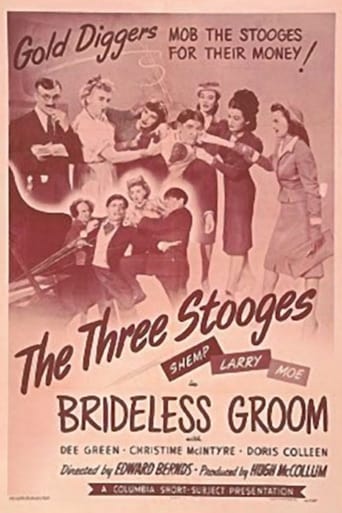
Christine McIntyre, born Christine Cecilia Danberg on April 4, 1911, in Nogales, Arizona, was a talented American actress and singer who became best known for her work with The Three Stooges. She began her entertainment career as a classically trained singer and radio performer before transitioning to film in the late 1930s. After signing with Columbia Pictures, she appeared in numerous feature films but achieved lasting fame through her appearances in 16 Three Stooges comedy shorts between 1944 and 1948. McIntyre's beauty, comedic timing, and versatility allowed her to play both sophisticated leading ladies and comical characters with equal skill. Her most memorable performance came in 'Brideless Groom' (1947), where she played one of the women pursued by Shemp Howard in a frantic race to get married. Following her successful run with The Stooges, she retired from acting in the early 1950s to focus on her family life. McIntyre passed away on July 8, 1984, in Van Nuys, California, leaving behind a legacy as recognizable and beloved supporting actresses in comedy short subjects.
The Craft
On Screen
McIntyre was known for her remarkable versatility, seamlessly transitioning between elegant leading lady roles and broader comedic performances. She possessed excellent comedic timing and often served as the perfect 'straight man' to The Three Stooges' zany antics while still contributing significantly to the humor. Her classical singing training and radio background gave her exceptional vocal delivery and screen presence. She had a natural chemistry with the comedy team, able to react authentically to their physical comedy while maintaining her character's dignity. Her performances were marked by a blend of sophistication and accessibility that made her relatable to audiences.
Milestones
- Signed with Columbia Pictures in the late 1930s
- Appeared in 16 Three Stooges shorts (1944-1948)
- Starred in the classic Stooges short 'Brideless Groom' (1947)
- Graduated from University of Arizona with a music degree
- Retired from acting at the height of her popularity in the early 1950s
Best Known For
Iconic Roles
Must-See Films
Accolades
Special Recognition
- Recognized as the most frequent female supporting actor in Three Stooges shorts
Working Relationships
Worked Often With
Studios
Why They Matter
Impact on Culture
Christine McIntyre became an integral part of American comedy history through her work with The Three Stooges, whose shorts have remained in continuous television syndication for decades, introducing her to new generations of viewers. She represented the ideal 1940s leading lady while demonstrating exceptional comedic versatility, helping to elevate the Three Stooges shorts beyond mere slapstick by providing genuine romantic tension and sophisticated counterpoints to their antics. Her performances have become cultural touchstones for comedy fans, and she remains. The continued popularity of Three Stooges shorts has ensured her enduring place in popular culture.
Lasting Legacy
Christine McIntyre's lasting legacy lies in her contributions to one of comedy's most enduring franchises. As the most frequent female supporting actor in Three Stooges shorts, she created a template for how leading women could effectively complement and enhance physical comedy without being overshadowed. Her ability to maintain dignity while participating in absurd situations influenced subsequent generations of comedic actresses. Her work continues to be studied by comedy enthusiasts and film scholars who appreciate the subtle artistry required to successfully support the Three Stooges' unique brand of humor. McIntyre's performances have stood the test of time, remaining fresh and entertaining to audiences decades after their creation.
Who They Inspired
McIntyre influenced subsequent generations of comedic supporting actors by demonstrating how to effectively balance sophistication with comedy in short subject films. Her work showed future actresses how to maintain character integrity while participating in broad physical comedy, a delicate balance that many have attempted to replicate. Her success in the Three Stooges shorts helped pave the way for more substantial roles for women in comedy shorts and proved that female characters could be more than mere props in male-dominated comedy. Contemporary comedy performers studying classic film comedy often cite her performances as examples of perfect comedic timing and chemistry within an ensemble cast.
Off Screen
Christine McIntyre married Harry J. McIntyre and devoted herself to family life after retiring from acting. She was known for being a private person who valued her family over fame, which contributed to her decision to leave Hollywood at the peak of her popularity. She had one son, Dan, and maintained a low profile in her later years. Despite her celebrity status through The Three Stooges films, she rarely gave interviews and preferred to live away from the Hollywood spotlight.
Education
University of Arizona - Music degree
Family
- Harry J. McIntyre
Did You Know?
- She appeared in 16 Three Stooges shorts, more than any other female supporting actor
- She was classically trained as a singer and performed on radio before her film career
- She held a music degree from the University of Arizona
- Her real name was Christine Danberg, but she used McIntyre professionally
- She retired from acting at the height of her popularity to focus on family
- Brideless Groom (1947) is one of her most frequently aired Stooges shorts
- She could play both sophisticated ladies and comical characters with equal skill
- Many of her Three Stooges shorts were directed by Jules White
- She often played characters who were either romantic interests or antagonists to The Stooges
- Her performances continue to be shown on television worldwide through Three Stooges syndication
In Their Own Words
"I wouldn't marry you if you were the last man on earth!" - As Miss Hopkins in Brideless Groom (1947)
"Well, I never!" - Common reaction line in various Three Stooges shorts
Frequently Asked Questions
Who was Christine McIntyre?
American actress and singer best known for appearing in 16 Three Stooges comedy shorts between 1944 and 1948. She was.
What films is Christine McIntyre best known for?
Titles linked here include Brideless Groom (1947), Sing a Song of Six Pants (1947).
When was Christine McIntyre born and when did she die?
Born April 4, 1911; died July 8, 1984.
What awards did Christine McIntyre win?
While Christine McIntyre did not receive formal awards or nominations during her career, she is recognized as the most frequent female supporting actor in Three Stooges shorts and remains beloved by comedy fans worldwide.
What was Christine McIntyre's acting style?
McIntyre was known for her versatility, able to play both sophisticated leading ladies and comical characters. She had excellent comedic timing and often served as the perfect 'straight man' to The Three Stooges while still contributing significantly to the humor.
Why did Christine McIntyre retire from acting?
McIntyre retired from acting in the early 1950s at the height of her popularity to focus on her family life. She married Harry J. McIntyre and preferred to live a private life away from the Hollywood spotlight.
How many Three Stooges shorts did Christine McIntyre appear in?
Christine McIntyre appeared in 16 Three Stooges comedy shorts between 1944 and 1948, making her the most frequent female supporting actor in their filmography.