Lila Leeds
Actor
Born: January 28, 1928 in Dodge City, Kansas, USA Died: September 15, 1999 Active: 1947-1949 Birth Name: Lila Lee Wilkinson
Films
1 film
About Lila Leeds
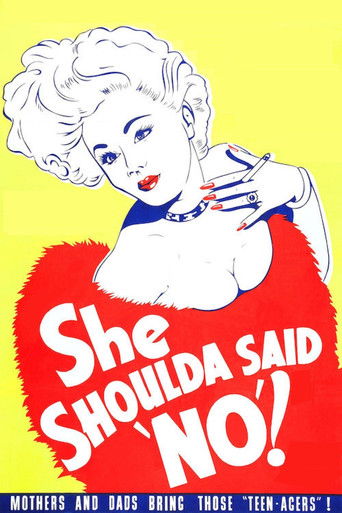
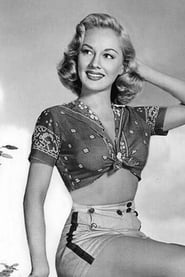
Lila Leeds, born Lila Lee Wilkinson, was an American actress whose promising Hollywood career was abruptly cut short by notorious drug scandals of the 1940s. After beginning her career with small roles in films like 'The Red House' (1947) and 'Ladies of the Chorus' (1948), Leeds appeared to be on the verge of breaking into major stardom. Her trajectory changed dramatically in September 1948 when she was arrested alongside Robert Mitchum for marijuana possession at a Hollywood party, creating a media sensation that shocked conservative post-war America. Following her conviction and 60-day jail sentence, Leeds was effectively blacklisted by major studios, forcing her to appear in exploitation films that capitalized on her notoriety. Her most famous role came in 'Wild Weed' (1949), an exploitation film about the dangers of marijuana, and 'She Shoulda Said No!' (1949), which was directly inspired by her real-life drug arrest. After appearing in only a handful of films between 1947-1949, Leeds largely disappeared from the entertainment industry, though she occasionally appeared in television roles in the 1950s. Her brief career and dramatic fall from grace serve as a cautionary tale about the strict moral codes and harsh consequences faced by Hollywood figures during the Golden Age.
The Craft
On Screen
Leeds demonstrated a natural, fresh-faced acting style typical of young Hollywood ingenues of the late 1940s. Her performances were characterized by a wholesome, girl-next-door quality that made her drug scandal particularly shocking to contemporary audiences. In her exploitation film roles, she adopted a more melodramatic style suited to the sensationalist nature of these productions, though her technical skills showed promise for more substantial dramatic work had her career not been cut short.
Milestones
- Arrest with Robert Mitchum for marijuana possession (1948)
- Starred in exploitation film 'Wild Weed' (1949)
- Appeared in 'The Red House' (1947) with Edward G. Robinson
- Featured in 'Ladies of the Chorus' (1948) with Marilyn Monroe
- Blacklisted by Hollywood studios following drug scandal
Best Known For
Iconic Roles
Must-See Films
Working Relationships
Worked Often With
Studios
Why They Matter
Impact on Culture
Lila Leeds became an unintentional cultural symbol of the moral panic surrounding drugs in post-war America. Her arrest with Robert Mitchum represented one of the first major celebrity drug scandals of the modern era, setting a precedent for how such incidents would be covered by media and handled by the industry. The scandal contributed to the implementation of stricter morality clauses in studio contracts and intensified the blacklisting practices that would later become infamous during the McCarthy era. Her subsequent appearance in exploitation films like 'Wild Weed' helped establish the genre of drug warning films that would proliferate in the 1950s and 1960s, often featuring fallen Hollywood stars.
Lasting Legacy
Lila Leeds is primarily remembered today as a cautionary tale from Hollywood's Golden Age, her name forever linked to one of the era's most infamous drug scandals. While her acting career was too brief to establish a significant artistic legacy, her story has become part of Hollywood lore, frequently referenced in books about classic cinema scandals and the studio system's harsh treatment of actors who fell from grace. Her exploitation films, particularly 'Wild Weed,' have gained cult status among fans of vintage exploitation cinema, preserving at least a fragment of her screen work for future generations.
Who They Inspired
Leeds' case influenced Hollywood's approach to celebrity scandals and drug-related offenses, contributing to the industry's zero-tolerance policies during the 1940s and 1950s. Her story served as a warning to other young actors about the consequences of personal indiscretions in the highly controlled studio system. The exploitation films she appeared in after her blacklisting influenced the development of the 'scandal film' subgenre, which often featured real-life scandals as their subject matter.
Off Screen
Lila Leeds married three times throughout her life. Her first marriage was to actor and comedian Arthur Lake, famous for playing Dagwood in the Blondie film series. After her Hollywood career ended, she struggled with personal challenges including substance abuse issues. She eventually found stability in her later years and worked outside the entertainment industry. Leeds largely remained out of the public eye after her brief film career, though she occasionally granted interviews discussing the impact of the 1948 scandal on her life.
Education
Limited information available about her formal education; she likely received standard education in Kansas before moving to Hollywood to pursue acting.
Family
- Arthur Lake (1949-1951)
- Gene Lipton (1952-1957)
- John B. Scott (1960-1999)
Did You Know?
- Was arrested with Robert Mitchum at a party on September 1, 1948, for marijuana possession
- Received a 60-day jail sentence and was placed on probation for her drug conviction
- Her arrest made national headlines and was considered shocking in conservative post-war America
- After being blacklisted, she appeared in exploitation films that capitalized on her notoriety
- Her film 'She Shoulda Said No!' was originally titled 'Wild Weed' but retitled to avoid confusion with her other exploitation film
- Was only 20 years old at the time of her arrest
- Her arrest occurred just as she was beginning to get more substantial roles in major studio productions
- The scandal effectively ended her promising career before it had really begun
- She was one of the first Hollywood celebrities to face a major public drug scandal
- Her story has been featured in numerous documentaries about Hollywood scandals and the history of marijuana prohibition
In Their Own Words
I was just a kid who got caught up in something I didn't understand
The studios turned their backs on me completely after the arrest
I never thought my life would become a cautionary tale
Robert Mitchum and I were just in the wrong place at the wrong time
Frequently Asked Questions
Who was Lila Leeds?
American actress active in the late 1940s whose promising career was cut short by a notorious drug scandal. She is primarily remembered for being arrested with Robert Mitchum for marijuana possession in 1948, which led to her being blacklisted by Hollywood studios.
What films is Lila Leeds best known for?
Titles linked here include Wild Weed (1949), The Red House (1947).
When was Lila Leeds born and when did she die?
Born January 28, 1928; died September 15, 1999.
What awards did Lila Leeds win?
Lila Leeds did not receive any major awards or nominations during her brief career. Her notoriety came from the 1948 drug scandal rather than professional recognition.
What was Lila Leeds' acting style?
Leeds demonstrated a natural, fresh-faced acting style typical of young Hollywood ingenues of the late 1940s, with a wholesome girl-next-door quality that made her drug scandal particularly shocking to contemporary audiences.
How did the 1948 drug scandal affect Lila Leeds' career?
The 1948 marijuana arrest with Robert Mitchum effectively ended Leeds' mainstream Hollywood career. She was blacklisted by major studios and forced to appear in exploitation films that capitalized on her notoriety rather than pursuing legitimate acting roles.
What happened to Lila Leeds after her acting career ended?
After her film career ended, Leeds married three times and worked outside the entertainment industry. She largely stayed out of the public eye, though she occasionally granted interviews discussing the impact of the scandal on her life.