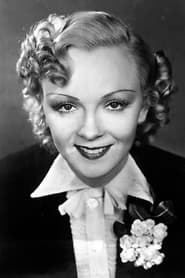
Esther Muir
Actor
Born: March 11, 1903 in Andes, New York, USA Died: December 1, 1995 Active: 1932-1942
Films
1 film
About Esther Muir
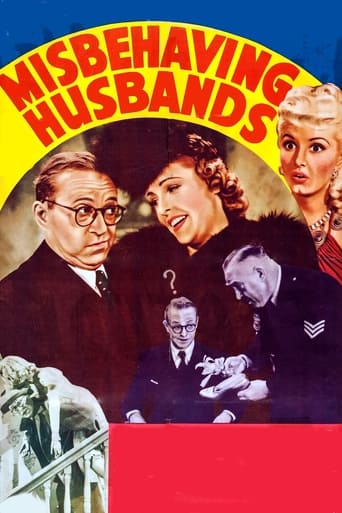
American actress who enjoyed a prolific career during Hollywood's Golden Age, appearing in approximately 50 films between the early 1930s and early 1940s. Born in Andes, New York, she began her entertainment career as a dancer in vaudeville before transitioning to the silver screen. Muir established herself as a versatile character actress, frequently cast as the 'other woman,' comic relief, or sassy supporting characters in both comedies and dramas. She worked with major studios including Paramount Pictures, Warner Bros., and Universal Pictures, collaborating with renowned directors such as Howard Hawks and Preston Sturges. Perhaps her most memorable performance came in 1940's 'His Girl Friday,' where she played Mollie Malloy, a showgirl entangled in a newspaper scandal. Despite never achieving leading lady status, Muir's distinctive presence and comic timing made her a recognizable face to audiences of the era. After marrying director James Tinling in 1936, she gradually reduced her film appearances, with 'Misbehaving Husbands' (1940) being among her later works before retiring from the industry.
The Craft
On Screen
Esther Muir was known for her sharp comic timing and ability to deliver witty dialogue with a distinctive, sassy delivery. She specialized in playing worldly, slightly cynical characters often involved in romantic entanglements or comedic situations. Her performances were characterized by a naturalistic approach that stood out in an era of more theatrical acting styles, bringing a sense of authenticity to her supporting roles. Muir had a particular talent for playing the 'other woman' with a mix of charm and vulnerability, making her characters more complex than typical stereotypes of the time.
Milestones
- Film debut in the early 1930s
- Appearing in approximately 50 films
- Memorable role as Mollie Malloy in 'His Girl Friday' (1940)
- Working with major studios Paramount, Warner Bros., and Universal
- Collaboration with acclaimed directors Howard Hawks and Preston Sturges
- Transition from vaudeville dancer to film actress
Best Known For
Iconic Roles
Must-See Films
Working Relationships
Worked Often With
Studios
Why They Matter
Impact on Culture
Esther Muir contributed to the Hollywood's Golden Age through her memorable supporting performances that added depth and humor to numerous films. While never a star, her work in classic comedies like 'His Girl Friday' helped define the sophisticated, fast-paced style of screwball comedy that characterized the era. Muir's ability to play complex 'other woman' characters with nuance rather than one-dimensional villainy represented a subtle shift in how female characters were portrayed in 1930s and 1940s cinema. Her performances, though often brief, left lasting impressions that continue to be appreciated by film historians and classic movie enthusiasts.
Lasting Legacy
Esther Muir's legacy lies in her contribution to some of the most beloved comedies of Hollywood's Golden Age. Though her name may not be widely recognized today, film scholars and classic movie aficionados remember her distinctive presence in films like 'His Girl Friday.' Her career represents the journey of countless character actors who, while never achieving stardom, were essential to the success of the films they appeared in. Muir's work exemplifies the importance of talented supporting players in creating memorable cinema, and her performances continue to be studied as examples of effective comic timing and character work.
Who They Inspired
While Esther Muir was not a major star whose influence can be traced through subsequent generations of actors, her naturalistic approach to comedy and ability to create memorable characters in limited screen time influenced how supporting roles were crafted in Hollywood comedies. Her work in screwball comedies contributed to the development of the genre's distinctive style, characterized by rapid dialogue delivery and sophisticated humor. Contemporary character actresses who specialize in comic roles continue to benefit from the path paved by performers like Muir, who proved that supporting characters could be just as memorable as leads when portrayed with skill and distinctive personality.
Off Screen
Esther Muir married film director James Tinling in 1936, and their marriage lasted until his death in 1967. The couple did not have any children together. After her film career wound down in the early 1940s, Muir largely withdrew from public life and focused on her marriage and personal interests. She spent her later years in California, maintaining a low profile away from the Hollywood spotlight. Muir lived to be 92 years old, passing away in Los Angeles on December 1, 1995.
Family
- James Tinling (1936-1967)
Did You Know?
- Began her career as a vaudeville dancer before transitioning to film
- Appeared in approximately 50 films during her decade-long career
- Married director James Tinling, who directed several of her films
- Her role in 'His Girl Friday' was relatively small but memorable enough to be frequently mentioned in film analyses
- Often typecast as the 'other woman' in romantic comedies
- Worked with many of the biggest stars of her era including Cary Grant, Rosalind Russell, and Fred Astaire
- Retired from acting in the early 1940s, long before her husband's death
- Lived for nearly three decades after her husband's death, maintaining a very private life
- Despite her relatively brief career, she worked with some of the most respected directors of her time including Howard Hawks
- Her performance style was notably more naturalistic than many of her contemporaries in supporting roles
Frequently Asked Questions
Who was Esther Muir?
Screen credits include approximately 50 films during Hollywood's Golden Age, primarily in the 1930s and early 1940s. She was known for her supporting roles, often playing the 'other woman' or comic relief characters in both comedies and dramas. Despite never achieving leading lady status, she made memorable appearances in several classic films including 'His Girl Friday' (1940).
What films is Esther Muir best known for?
Titles linked here include His Girl Friday (1940), The Big Broadcast of 1936 (1935).
When was Esther Muir born and when did she die?
Born March 11, 1903; died December 1, 1995.
What awards did Esther Muir win?
There are no records of Esther Muir receiving major awards or nominations during her career. Like many character actors of her era, her contributions to film were recognized primarily through steady employment and the respect of her colleagues rather than formal accolades. Her legacy lies in her memorable performances rather than award recognition.
What was Esther Muir's acting style?
Esther Muir was known for her sharp comic timing and naturalistic acting style, which stood out in an era of more theatrical performances. She specialized in playing worldly, slightly cynical characters with a distinctive, sassy delivery. Muir had a particular talent for bringing nuance to stereotypical roles, especially the 'other woman,' making her characters more complex and relatable than typical portrayals of the time.
Was Esther Muir married?
Yes, Esther Muir married film director James Tinling in 1936, and their marriage lasted until his death in 1967. Tinling directed several films in which Muir appeared, including 'Misbehaving Husbands' (1940). The couple did not have any children together, and Muir largely retired from acting after their marriage.
Why did Esther Muir retire from acting?
While the exact reasons for Esther Muir's retirement are not definitively documented, it appears she gradually reduced her film appearances after marrying director James Tinling in 1936. Her last credited film roles were in the early 1940s, suggesting she chose to focus on her personal life rather than continue her acting career. This was not uncommon for actresses of her era, particularly those who were not major stars.
How did Esther Muir begin her career?
Esther Muir began her entertainment career as a dancer in vaudeville before transitioning to film acting in the early 1930s. Her background in performance and movement likely contributed to her success in film, particularly in musicals and comedies. Her first film appearances came in the early sound era, and she quickly established herself as a reliable character actress in supporting roles.