Films
1 film
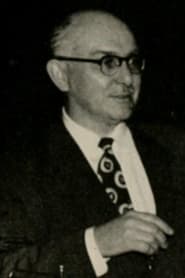
About William Forest Crouch
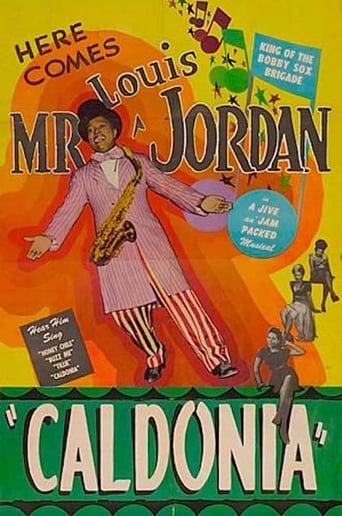
American film director active during the mid-1940s, best known for his work on musical short films. His most notable contribution to cinema was directing the 1945 musical short 'Caldonia,' which featured the jazz musician Louis Jordan and his Tympany Five. This film was part of the Soundies series - short musical films that were displayed on coin-operated machines in bars, restaurants, and public venues during the 1940s. Crouch's work captured the vibrant energy of the swing and rhythm and blues era, helping to preserve important performances by African American musicians. Although his directorial career appears to have been brief, his work on 'Caldonia' has become historically significant as it documents one of Louis Jordan's most memorable performances. The film itself has been preserved and studied by film historians as an important example of early music video precursors and African American representation in commercial cinema during the segregation era.
The Craft
Behind the Camera
Focused on capturing musical performances with straightforward, performance-centered cinematography that highlighted the musicians' stage presence and musical prowess
Milestones
- Directed 'Caldonia' (1945) featuring Louis Jordan
- Worked on Soundies musical short film series
- Contributed to early music video format development
Best Known For
Must-See Films
Working Relationships
Worked Often With
Studios
Why They Matter
Impact on Culture
William Forest Crouch's work on 'Caldonia' has significant cultural importance as it preserved one of Louis Jordan's most influential musical performances. The film captured Jordan's energetic stage presence and helped popularize the song 'Caldonia,' which became a rhythm and blues standard. Crouch's direction contributed to the documentation of African American musical culture during an era when such representation was limited in mainstream cinema. The Soundies format he worked in represents an important evolutionary step toward modern music videos, and his work is studied by film and music historians interested in the intersection of cinema and popular music.
Lasting Legacy
While William Forest Crouch himself is not widely remembered, his work on 'Caldonia' has endured as an important cultural artifact. The film continues to be referenced in documentaries about jazz, rhythm and blues, and African American music history. His contribution to preserving Louis Jordan's performance has ensured that future generations can experience the energy and innovation of one of the foundational artists of rock and roll. The technical and stylistic choices made in directing this musical short have been analyzed by scholars studying the evolution of music on film.
Who They Inspired
As a director of early musical shorts, Crouch's work influenced the development of music video techniques, particularly in how to effectively capture musical performances on camera. His straightforward approach to filming 'Caldonia' focused on the performer's energy and musical delivery, setting a template for music performance filming that would influence later directors of music videos and concert films.
Off Screen
Very little is documented about William Forest Crouch's personal life, suggesting he was not a prominent public figure beyond his brief directorial work. His limited filmography indicates he may have been a journeyman director or someone who worked primarily in short-form content rather than feature films.
Did You Know?
- 'Caldonia' was part of the Soundies series, which were precursors to modern music videos
- The film Louis Jordan performed in 'Caldonia' became one of his signature songs
- Soundies were typically 3-4 minutes long and played on coin-operated machines
- Louis Jordan's performance in 'Caldonia' was so popular it helped establish him as a major star
- The song 'Caldonia' has been covered by numerous artists including Ray Charles, B.B. King, and Van Morrison
- Soundies like 'Caldonia' were among the first visual representations of rhythm and blues music
- The film was shot in black and white, typical of Soundies productions
- Louis Jordan's band in the film, The Tympany Five, was
- The success of 'Caldonia' helped launch Louis Jordan's mainstream crossover appeal
- Crouch's direction focused on capturing the raw energy of live performance rather than elaborate production values
Frequently Asked Questions
Who was William Forest Crouch?
He worked primarily in the Soundies format, which were short musical films displayed on coin-operated machines during the 1940s.
What films is William Forest Crouch best known for?
Titles linked here include Caldonia (1945).
When was William Forest Crouch born and when did he die?
Unfortunately, specific birth and death dates for William Forest Crouch are not well-documented in historical records, reflecting his relatively obscure status in film history despite his culturally significant work.
What awards did William Forest Crouch win?
There are no documented awards or nominations for William Forest Crouch, which was common for directors working on short-form content like Soundies during the 1940s.
What was William Forest Crouch's directing style?
Crouch's directing style focused on straightforward, performance-centered cinematography that prioritized capturing the musical energy and stage presence of performers like Louis Jordan, using simple camera techniques that highlighted the musical performance rather than elaborate visual effects.