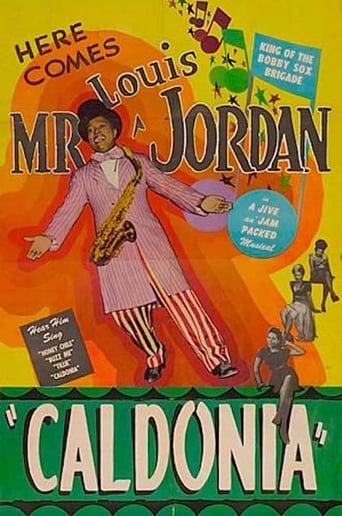
Louis Jordan
Actor
Born: July 8, 1908 in Brinkley, Arkansas, USA Died: February 4, 1975 Active: 1932-1975 (Musical career), 1942-1945 (Film appearances) Birth Name: Louis Thomas Jordan
Films
1 film
About Louis Jordan
American musician, songwriter, and bandleader who became successful African-American recording artists of the 1940s. Though primarily known for his revolutionary contributions to rhythm and blues and jump blues, Jordan also appeared in several musical films during the 1940s, most notably the 1945 short film 'Caldonia.' His film appearances were essentially extensions of his musical career, featuring him and his Tympany Five band performing their hit songs. Jordan's energetic performances and charismatic stage presence translated well to the screen, though his film work was secondary to his massive success as a recording artist. His influence on popular music was profound, with his blend of jazz, blues, and comedy helping to lay the groundwork for rock and roll. Despite his brief film career, Jordan's musical legacy has endured for decades, influencing countless artists across multiple genres.
The Craft
On Screen
Jordan's screen presence was characterized by his natural musical charisma and energetic performance style. Rather than traditional acting, he primarily performed as himself, bringing his stage persona to film with infectious enthusiasm and showmanship. His performances were extensions of his live shows, featuring his distinctive vocal delivery and comedic timing.
Milestones
- Pioneered the jump blues genre
- Had 18 #1 hits on R&B charts
- Appeared in several musical films including 'Caldonia' (1945)
- Inducted into Rock and Roll Hall of Fame (1987)
- Inducted into Blues Hall of Fame (2013)
- His music influenced early rock and roll pioneers
Best Known For
Iconic Roles
Must-See Films
Accolades
Won
- Rock and Roll Hall of Fame inductee (1987)
- Blues Hall of Fame inductee (2013)
- Grammy Hall of Fame for 'Caldonia' (1998)
- Grammy Hall of Fame for 'Choo Choo Ch'Boogie' (2008)
Nominated
- Multiple posthumous Grammy nominations for historical recordings
Special Recognition
- USPS commemorative stamp (2008)
- Arkansas Entertainers Hall of Fame
- Rhythm and Blues Foundation Pioneer Award
Working Relationships
Worked Often With
Studios
Why They Matter
Impact on Culture
Louis Jordan's cultural impact extended far beyond his brief film career, revolutionizing American popular music by creating jump blues, a genre that directly influenced the birth of rock and roll. His recordings bridged the gap between jazz and blues, making African-American music accessible to white audiences during the segregation era. His humorous, often risqué lyrics and catchy rhythms helped break down racial barriers in popular entertainment. Jordan's success paved the way for future African-American artists in the music industry, demonstrating that black performers could achieve mainstream commercial success while maintaining their cultural authenticity.
Lasting Legacy
Louis Jordan's legacy as a musical pioneer far overshadows his film work, with his innovations in rhythm and blues directly influencing the development of rock and roll. His songs have been covered by countless artists across genres, from B.B. King to the Rolling Stones. Jordan's ability to blend sophisticated musicianship with popular appeal created a template that future artists would follow. His influence can be heard in the work of Chuck Berry, Little Richard, and even early Elvis Presley recordings. Despite being less remembered today than some of his contemporaries, music historians recognize Jordan as a crucial figure in American music history.
Who They Inspired
Jordan's influence on popular music is immeasurable, with his rhythmic innovations and songwriting style directly shaping the sound of early rock and roll. His practice of recording shorter, radio-friendly songs with danceable rhythms became the industry standard. Artists from Chuck Berry to James Brown cited Jordan as a major influence on their musical development. His blend of humor and social commentary in lyrics influenced generations of songwriters. Even beyond music, Jordan's success as an African-American entertainer during the Jim Crow era helped pave the way for greater representation in popular culture.
Off Screen
Louis Jordan was married five times throughout his life. His personal life was often as colorful as his music, with relationships that sometimes overlapped. He had one child, Louis Jordan Jr., who followed in his father's musical footsteps. Despite his professional success, Jordan faced personal challenges including financial difficulties in his later years and health problems that led to his death from a heart attack at age 66.
Education
Attended Arkansas Baptist College briefly, studied music with his father who was a music teacher and bandleader
Family
- Ida Stewart (1932-1938)
- Faye Skipper (1942-1950)
- Vernice Brown (1951-1960)
- Emily Weaver (1960-1966)
- Martha Bass (1972-1975)
Did You Know?
- Louis Jordan had 18 #1 hits on the R&B charts, more than any other artist of the 1940s
- His song 'Choo Choo Ch'Boogie' sold over a million copies and stayed on the charts for 18 weeks
- Jordan's music was so popular that it helped coin the term 'rhythm and blues' in 1947
- He served in the US Army during World War II, entertaining troops
- His band The Tympany Five often had more than five members despite the name
- Jordan's music was featured in the 1985 film 'The Color Purple'
- He was nicknamed 'The King of the Jukebox' during his peak years
- His song 'Caldonia' was later covered by Louis Armstrong, Woody Herman, and many others
- Jordan was one of the first African-American artists to have a crossover hit with white audiences
- His style influenced the creation of rockabilly music in the 1950s
In Their Own Words
You can't make a record unless you've got something to say and a way to say it.
I don't care what color you are, if you can play, you can play.
The blues is a feeling, and if you can feel it, you can play it.
Music is the universal language, and I try to speak it clearly.
Frequently Asked Questions
Who was Louis Jordan?
American musician, songwriter, and bandleader who revolutionized rhythm and blues music in the 1940s. While he appeared in several musical films including 'Caldonia' (1945), he was primarily known as.
What films is Louis Jordan best known for?
Titles linked here include Caldonia (1945), Look-Out Sister (1947).
When was Louis Jordan born and when did he die?
Born July 8, 1908; died February 4, 1975.
What awards did Louis Jordan win?
Louis Jordan received numerous posthumous honors including induction into the Rock and Roll Hall of Fame in 1987 and the Blues Hall of Fame in 2013. Several of his recordings have been inducted into the Grammy Hall of Fame, including 'Caldonia' and 'Choo Choo Ch'Boogie'. He also received the Rhythm and Blues Foundation Pioneer Award and was honored with a commemorative USPS stamp in 2008.
What was Louis Jordan's musical style?
Louis Jordan pioneered jump blues, a high-energy style that combined jazz improvisation with blues rhythms and danceable beats. His music featured catchy melodies, humorous lyrics, and a stripped-down sound that emphasized rhythm and vocals. This innovative approach bridged the gap between big band jazz and rock and roll, making his music accessible to both black and white audiences.