
Walter Forde
Director
Born: December 21, 1896 in Lambeth, London, England Died: January 7, 1957 Active: 1920-1949 Birth Name: Walter Forde Smith
Films
1 film
About Walter Forde
Prominent British film director who began his career as an actor in silent films during the early 1920s before transitioning successfully to directing. Born Walter Forde Smith in London, he established himself as one of Britain's most reliable commercial filmmakers during the 1930s and early 1940s, specializing in comedy-thrillers that showcased his unique ability to blend humor with suspense. Forde worked extensively with major British studios including Gainsborough Pictures and Ealing Studios, where he developed a reputation for delivering entertaining and commercially successful films on tight budgets and schedules. His nearly three decades, during which he directed over 40 films, adapting successfully from silent cinema to sound pictures. Forde was particularly adept at working with ensemble casts and extracting strong performances from comedy actors, making him a favorite among British film producers. His most productive period was the 1930s, when he directed some of Britain's most popular comedy films before his career gradually declined in the post-war years.
The Craft
Behind the Camera
Walter Forde was known for his efficient, commercial directing style that prioritized entertainment value and audience appeal. He specialized in comedy-thrillers, skillfully balancing moments of humor with suspense elements to create engaging genre hybrids. His direction was characterized by brisk pacing, clear storytelling, and effective use of ensemble casts. Forde had a particular talent for extracting comedic performances from his actors while maintaining the tension required for thriller elements. His visual approach was straightforward and functional, focusing on serving the narrative rather than experimental techniques. This commercial sensibility made him one of Britain's most reliable directors during the 1930s, consistently delivering films that found favor with domestic audiences.
Milestones
- Transitioned from silent film acting to directing in the 1920s
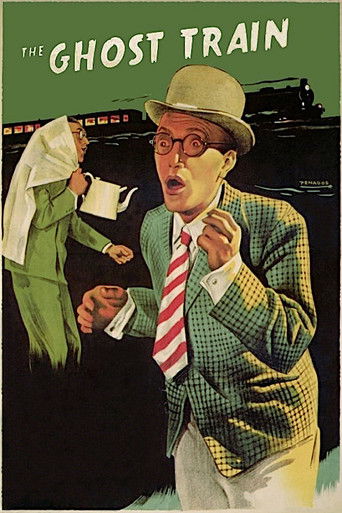
- Directed the successful comedy-thriller 'The Ghost Train' (1941)
- Made over 40 films during his career
- Worked with major British studios including Gainsborough and Ealing
- Successfully adapted to sound films after starting in silent cinema
Best Known For
Must-See Films
Working Relationships
Worked Often With
Studios
Why They Matter
Impact on Culture
Walter Forde made significant contributions to British popular cinema during the 1930s and early 1940s, helping establish the comedy-thriller as a commercially successful genre in Britain. His films reflected the British public's appetite for entertainment that could provide both laughter and suspense during difficult economic times and through World War II. Forde's work at Ealing Studios helped lay groundwork for the studio's later golden age of comedy films. His adaptation of stage plays like 'The Ghost Train' demonstrated the potential for theatrical properties to succeed on screen, influencing subsequent British filmmakers. While not as critically acclaimed as some of his contemporaries, Forde's consistent commercial success helped sustain the British film industry during challenging periods.
Lasting Legacy
Walter Forde's legacy lies primarily in his contribution to the development of the British comedy-thriller genre and his role as a reliable commercial filmmaker during a crucial period in British cinema history. His films, particularly 'The Ghost Train' and 'Where's That Fire?', remain notable examples of 1930s-40s British popular cinema and are occasionally revived at film festivals and classic cinema screenings. Forde represents the generation of directors who successfully navigated the transition from silent to sound films and helped establish the commercial foundations of the British film industry. While his name may not be as recognizable as Hitchcock or Powell, his work influenced subsequent generations of British comedy directors who followed in his tradition of blending humor with other genres.
Who They Inspired
Forde influenced British comedy filmmaking through his efficient genre-blending approach and his work with comedy teams like Arthur Askey and Richard Murdoch. His success with comedy-thrillers paved the way for later British directors to explore similar genre combinations. His work at Ealing Studios contributed to the development of the studio's comedy style that would later flourish with directors like Charles Crichton and Alexander Mackendrick. While not widely studied in film schools, his practical, commercial approach to filmmaking served as a model for British directors working within studio systems.
Off Screen
Walter Forde was born into a working-class family in Lambeth, London, and developed an interest in entertainment from an early age. He married actress Pauline Johnson in 1926, and they worked together on several films during the early years of his directing career. The couple had one child together but later divorced. Forde was known as a quiet, professional filmmaker who preferred to stay out of the spotlight, focusing instead on his craft. After his retirement from filmmaking in the late 1940s, he lived a relatively private life in London until his death from natural causes in 1957 at the age of 60.
Education
Limited formal education, largely self-taught in film craft through practical experience in the industry
Family
- Pauline Johnson (1926-1935)
Did You Know?
- Began his film career as an actor in silent comedies before transitioning to directing
- Directed two different versions of 'The Ghost Train' - one in 1931 and another in 1941
- Worked as an uncredited additional director on Hitchcock's 'The Man Who Knew Too Much' (1934)
- Was particularly adept at directing comedy teams and ensemble casts
- Many of his films have been lost or are only available in poor quality due to inadequate preservation of British films from this period
- His 1934 film 'Chu Chin Chow' was
- Often worked with the same cinematographer, Arthur Crabtree, on multiple films
- His films were popular not just in Britain but also in Commonwealth countries
- Retired from directing shortly after World War II as the British film industry underwent major changes
- Despite his commercial success, he never received major critical recognition or awards during his lifetime
In Their Own Words
The secret to a good comedy-thriller is knowing exactly when to make the audience laugh and when to make them jump
In British cinema, we don't have the budgets of Hollywood, so we must rely on wit and cleverness to entertain our audiences
Frequently Asked Questions
Who was Walter Forde?
British on YTB.my. He began his career as an actor in silent films before transitioning to directing, where he found success blending humor with suspense in films like 'The Ghost Train'.
What films is Walter Forde best known for?
Titles linked here include The Ghost Train (1941), Where's That Fire? (1940).
When was Walter Forde born and when did he die?
Born December 21, 1896; died January 7, 1957.
What awards did Walter Forde win?
Despite directing over 40 films and achieving commercial success, Walter Forde did not receive major industry awards or significant critical recognition during his lifetime. His contributions were primarily in the commercial success and entertainment value of his films rather than critical accolades.
What was Walter Forde's directing style?
Walter Forde's directing style was characterized by efficient, commercial filmmaking with a focus on entertainment value. He specialized in comedy-thrillers, skillfully balancing humor and suspense, and was known for his brisk pacing, clear storytelling, and effective use of ensemble casts, particularly comedy teams.