Arthur Askey
Actor
Born: June 6, 1902 in Liverpool, England, UK Died: November 16, 1982 Active: 1925-1981 Birth Name: Arthur Bowden Askey
Films
2 films
About Arthur Askey
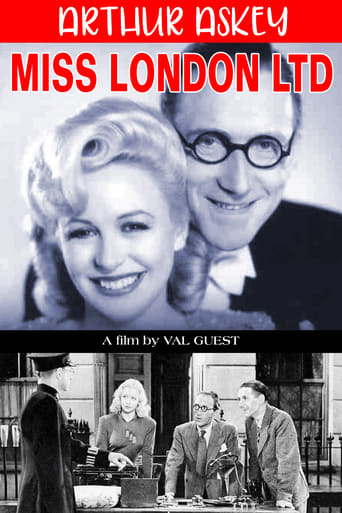
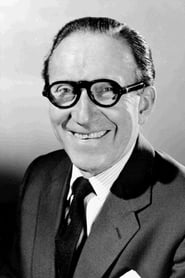
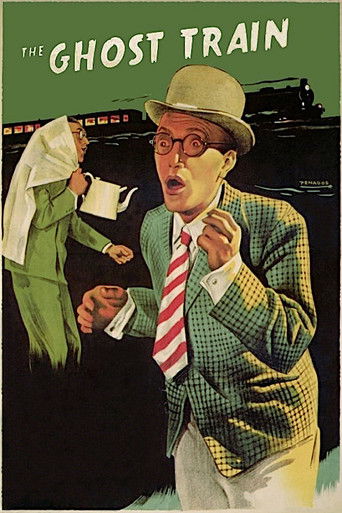
Arthur Askey was one of Britain's most beloved comedy entertainers of the mid-20th century, beginning his career in music halls and variety shows before transitioning to radio and film. Born in Liverpool in 1902, he first gained national fame through the BBC radio comedy series 'Band Waggon' in 1938, which launched him into stardom and led to a successful film career. His diminutive stature (standing just 4'11") became an integral part of his comic persona, often playing characters who overcame their physical limitations through sheer determination and wit. During World War II, he became a major box office draw with films like 'The Ghost Train' (1941) and 'Miss London Ltd.' (1943), providing much-needed comic relief to wartime audiences. After the war, he continued his success in both film and television, becoming one of the first major stars to transition successfully to the new medium. His over four decades, encompassing music hall, radio, film, and television, making him a true multimedia pioneer of British entertainment. He retired in the early 1980s and passed away in 1982, leaving behind a legacy as one of Britain's most cherished comedians.
The Craft
On Screen
Arthur Askey's acting style was characterized by high-energy physical comedy, rapid-fire delivery of jokes, and an endearing underdog persona. His performances typically featured exaggerated facial expressions, pratfalls, and a distinctive Liverpool accent that became part of his comic identity. Despite his small stature, he commanded the screen through sheer force of personality, often playing characters who were physically diminutive but mentally sharp and emotionally resilient. His comedy relied heavily on wordplay, catchphrases (most famously 'Hello playmates!'), and a warm, approachable demeanor that made audiences root for him. He excelled at both verbal and physical humor, seamlessly blending slapstick elements with witty dialogue and musical numbers.
Milestones
- BBC radio series 'Band Waggon' (1938-1939) - breakthrough to national fame
- Film debut in 'Band Waggon' (1940) - successful transition to cinema
- Starred in wartime hit 'The Ghost Train' (1941)
- Leading role in 'Miss London Ltd.' (1943)
- Post-war success with 'The Love Match' (1955)
- Transition to television with 'The Arthur Askey Show' (1960)
- Commander of the Order of the British Empire (CBE) awarded in 1981
- Final film appearance in 'The Great St Trinian's Train Robbery' (1966)
Best Known For
Iconic Roles
Must-See Films
Accolades
Won
- Commander of the Order of the British Empire (CBE) - 1981 New Year Honours
- Variety Club of Great Britain Award - Showbusiness Personality of the Year
Nominated
- BAFTA Film Award nomination for Most Promising Newcomer for 'Band Waggon' (though this was before BAFTA's formal establishment)
Special Recognition
- Commander of the Order of the British Empire (CBE)
- Star on the Liverpool Wall of Fame
- Posthumously inducted into the Radio Academy Hall of Fame
- Royal Television Society Lifetime Achievement Award (posthumous)
Working Relationships
Worked Often With
Studios
Why They Matter
Impact on Culture
Arthur Askey had a profound impact on British popular culture, helping to define the nation's comedy sensibility during and after World War II. His radio work on 'Band Waggon' revolutionized British comedy broadcasting, establishing a template for comedy shows that would influence generations of performers. During the darkest days of WWII, his films provided crucial morale-boosting entertainment to British audiences, with his optimistic, plucky characters embodying the nation's 'keep calm and carry on' spirit. His success across multiple media platforms made him one of Britain's first true multimedia stars, paving the way for later entertainers to move between radio, film, and television. His catchphrase 'Hello playmates!' became part of the British cultural lexicon, and his underdog persona resonated with working-class audiences who saw themselves reflected in his characters.
Lasting Legacy
Arthur Askey's legacy endures as one of Britain's most beloved comedy icons, remembered for his boundless energy, infectious enthusiasm, and ability to bring joy to millions during difficult times. He helped establish the British comedy film tradition, influencing later stars like Norman Wisdom and Benny Hill. His work preserved the music hall tradition for new generations, bridging the gap between variety theater and modern media. The BBC continues to air his classic radio shows, introducing new audiences to his distinctive style of comedy. His influence can be seen in the work of countless British comedians who followed, particularly those who combine physical comedy with warm, audience-engaging performances. As a pioneer of British television comedy, he helped shape the medium's early development and established standards for comedy performance that persist today.
Who They Inspired
Arthur Askey influenced generations of British comedians through his distinctive blend of physical comedy, verbal wit, and audience connection. His success in transitioning from music hall to radio to film to television created a blueprint for multi-platform entertainment careers that many later comedians would follow. His underdog persona and catchphrase-driven comedy influenced performers like Ken Dodd, who adopted similar audience-engaging techniques. The energy and pace of his performances can be seen in the work of later British comedy stars from Norman Wisdom to Matt Lucas. His ability to maintain a family-friendly image while delivering sophisticated comedy influenced the tone of British entertainment for decades. His radio work particularly influenced the development of British sitcoms, with 'Band Waggon' serving as an early template for character-driven comedy series.
Off Screen
Arthur Askey married Elizabeth 'Betty' Morris in 1926, and their marriage lasted 56 years until his death in 1982. The couple had one daughter, Anthea Askey, who also became an actress and occasionally appeared with her father. Despite his enormous public success, Askey was known as a private family man who maintained a relatively modest lifestyle. He was a devoted husband and father who often spoke fondly of his family in interviews. His daughter Anthea followed in his footsteps, appearing in several films and television shows during the 1950s and 1960s. The family lived primarily in London, where Askey remained until his death from a heart attack at age 80.
Education
Attended St Francis Xavier's College in Liverpool, left school at age 14 to work as an office clerk before pursuing entertainment
Family
- Elizabeth 'Betty' Morris (1926-1982)
Did You Know?
- Stood only 4 feet 11 inches tall, which became a central part of his comic persona
- His famous catchphrase 'Hello playmates!' was originally improvised during a radio broadcast
- Served in the Royal Air Force during WWI as a teenager, though he saw no combat
- Was a talented pianist and often incorporated musical numbers into his performances
- His daughter Anthea appeared with him in several films and TV shows
- Turned down a Hollywood contract in the 1940s to remain in Britain
- Was a lifelong supporter of Liverpool Football Club
- His radio show 'Band Waggon' was the first British comedy show to be based around recurring characters
- Despite his comic persona, he was known in private as a serious and thoughtful man
- Made over 20 films between 1940 and 1966, though he was always primarily known as a live performer
- Was one of the first British entertainers to recognize television's potential and successfully transition to the medium
- His wartime films were often shown to troops to boost morale
In Their Own Words
Hello playmates! (his signature greeting)
I'm only little but I'm loud!
Laughter is the best medicine, and I'm the doctor!
You don't have to be tall to stand tall in show business
The secret of comedy is timing - and being small helps people look down on you, which is funny!
Frequently Asked Questions
Who was Arthur Askey?
Arthur Askey was one of Britain's most popular comedy entertainers of the 1930s-1960s, known for his work in music hall, radio, film, and television. Standing just 4'11", he became famous for his energetic comedy style and catchphrase 'Hello playmates!' He was a major box office star during WWII, providing comic relief to British audiences through films like 'The Ghost Train' and radio shows like 'Band Waggon'.
What films is Arthur Askey best known for?
Titles linked here include The Ghost Train (1941), Miss London Ltd. (1943).
When was Arthur Askey born and when did he die?
Born June 6, 1902; died November 16, 1982.
What awards did Arthur Askey win?
Arthur Askey was awarded the Commander of the Order of the British Empire (CBE) in the 1981 New Year Honours for his services to entertainment. He also received the Variety Club of Great Britain Award for Showbusiness Personality of the Year and was posthumously inducted into the Radio Academy Hall of Fame for his work in comedy broadcasting.
What was Arthur Askey's acting style?
Arthur Askey's acting style combined high-energy physical comedy with rapid-fire verbal wit and an endearing underdog persona. His performances featured exaggerated expressions, pratfalls, and a distinctive Liverpool accent, all delivered with infectious enthusiasm. Despite his small stature, he commanded attention through sheer force of personality, playing characters who overcame physical limitations through determination and humor.
How did Arthur Askey get his start in entertainment?
Arthur Askey began his career in music halls and variety shows in the 1920s after leaving school at 14. His big break came in 1938 when he was cast in the BBC radio comedy series 'Band Waggon,' which became a massive success and launched him to national fame. This radio success led to film opportunities, beginning with 'Band Waggon' in 1940, which successfully translated his radio persona to the big screen.
What was Arthur Askey's impact on British comedy?
Arthur Askey had a transformative impact on British comedy, helping to define the nation's humor during WWII and the post-war period. His radio work revolutionized comedy broadcasting, while his films provided crucial morale-boosting entertainment during difficult times. As one of Britain's first true multimedia stars, he paved the way for future entertainers to work across radio, film, and television, and his underdog persona influenced generations of British comedians.