Films
1 film
About Milorad Petrović
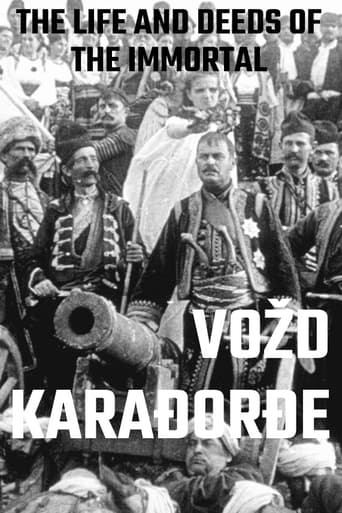
Milorad Petrović was one of the actors of Serbian cinema, appearing in what is widely recognized as the first Serbian feature film, 'The Life and Deeds of the Immortal Vožd Karađorđe' in 1911. His participation in this landmark historical epic places him among the very first generation of film actors in the Balkans during the silent era. The film, directed by renowned Serbian theater actor Ilija Stanojević Čiča, depicted the life of Karađorđe Petrović, the leader of the First Serbian Uprising. Petrović's career appears to have been brief and concentrated in this single but historically significant production, which was made during the very infancy of cinema in Serbia. His contribution, while limited in scope, represents an important chapter in the development of Serbian and Yugoslavian film history. Like many early film actors from this period, detailed records of his life and career are scarce, reflecting the nascent state of film documentation and preservation in the region during the early 20th century.
The Craft
Milestones
- Appeared in 'The Life and Deeds of the Immortal Vožd Karađorđe' (1911), the first Serbian feature film
Best Known For
Must-See Films
Working Relationships
Worked Often With
Why They Matter
Impact on Culture
Milorad Petrović's significance lies primarily in his participation in the first Serbian feature film, making him one of the foundational figures in Serbian cinema history. His work in 'The Life and Deeds of the Immortal Vožd Karađorđe' represents the beginning of narrative filmmaking in Serbia and the broader Balkan region. While his individual contribution may have been limited to this single production, his role in this effort helped establish the foundation for future Serbian and Yugoslavian cinema. The film itself was an ambitious undertaking that attempted to create a national epic on screen, and actors like Petrović were instrumental in bringing this vision to life during the very early days of the medium.
Lasting Legacy
Milorad Petrović's legacy is that of a cinema pioneer who participated in the birth of Serbian film. Though details of his life and career are largely lost to history, his name is forever associated with the first Serbian feature film, making him an important figure in the annals of Balkan cinema. His work represents the earliest attempts at creating a national film identity in Serbia, and his contribution, however small, is part of the foundation upon which Serbian cinema was built. The preservation of fragments from the 1911 film ensures that the work of these early pioneers, including Petrović, can still be studied and appreciated by film historians and enthusiasts today.
Who They Inspired
As one of the earliest actors in Serbian cinema, Milorad Petrović's influence was primarily foundational rather than stylistic. His participation in the first Serbian feature film helped demonstrate the potential of cinema as a medium for national storytelling in Serbia. While he may not have directly mentored or influenced other actors given his brief film career, his work contributed to the establishment of a film tradition in Serbia that would grow and develop throughout the 20th century. The very existence of actors like Petrović in early Serbian films paved the way for future generations of Serbian performers to enter the medium.
Off Screen
Very little is known about the personal life of Milorad Petrović, which is typical for actors from the earliest days of Serbian cinema. Records from this period are scarce, and many details about the personal backgrounds of early film actors have been lost to history.
Did You Know?
- Appeared in the first Serbian feature film ever made
- The film he acted in was made in 1911, making him one of the earliest film actors in the Balkans
- The film 'The Life and Deeds of the Immortal Vožd Karađorđe' was considered lost for many years before fragments were discovered
- The film was directed by Ilija Stanojević Čiča,
- The film depicted the life of Karađorđe Petrović, a key figure in Serbian history
- Very few records exist about the cast of this early Serbian film
- The film was produced during the Ottoman period, just before the Balkan Wars
- Serbian cinema in 1911 was in its absolute infancy, making any film production a remarkable achievement
Frequently Asked Questions
Who was Milorad Petrović?
Screen credits include the first Serbian feature film, 'The Life and Deeds of the Immortal Vožd Karađorđe' in 1911. He was one of the actors of Serbian cinema during the silent era.
What films is Milorad Petrović best known for?
Titles linked here include The Life and Deeds of the Immortal Vožd Karađorđe (1911).
When was Milorad Petrović born and when did he die?
Unfortunately, the birth and death dates of Milorad Petrović are not known, which is common for actors from the very early days of cinema in Serbia when record-keeping was limited.
What awards did Milorad Petrović win?
Milorad Petrović did not receive any known awards or nominations, as he was active in 1911, long before formal award systems for cinema were established in Serbia or internationally.
What was the significance of Milorad Petrović's acting work?
His acting work was significant because he participated in the first Serbian feature film, making him one of the foundational figures in Serbian cinema history. His contribution helped establish the tradition of narrative filmmaking in Serbia.