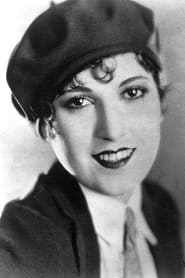
Natalie Joyce
Actor
Born: January 6, 1902 in San Francisco, California, USA Died: November 12, 1992 Active: 1928-1929
Films
2 films
About Natalie Joyce
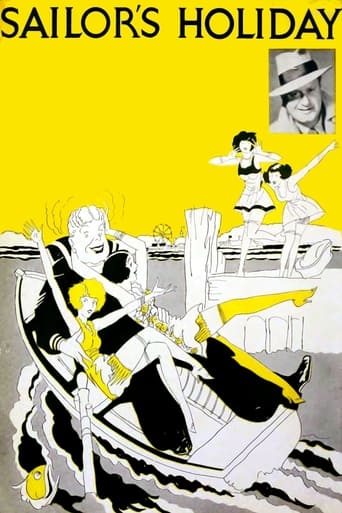
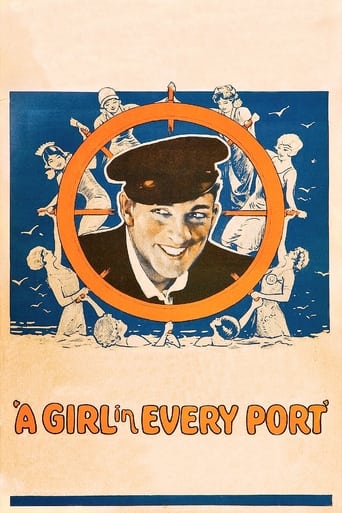
Natalie Joyce is credited on a single production — A Girl in Every Port (1928). Her career, though short, coincided with a pivotal moment in Hollywood history when the industry was adapting to talking pictures. Natalie appears in supporting roles in several notable films of the era, most famously in Howard Hawks' silent comedy 'A Girl in Every Port' (1928) starring Victor McLaglen and Louise Brooks. Joyce also appeared in 'Sailor's Holiday' (1929), which was one of her final film appearances before her career seemingly ended as the studio system solidified and roles became more competitive. Like many actresses of her era, her career was brief and she largely disappeared from public view after the early 1930s. Her work remains proof of the countless performers who contributed to cinema's formative years but whose names have faded from mainstream historical accounts.
The Craft
On Screen
As a supporting actress in the silent era, Joyce employed the exaggerated expressions and body language typical of period film acting, using physical comedy and dramatic gestures to convey emotion without dialogue. Her style was suited to the ensemble comedies and maritime adventures that characterized her brief filmography.
Milestones
- Appeared in Howard Hawks' early silent film 'A Girl in Every Port' (1928)
- Worked during the critical transition period from silent to sound films
- Shared screen with notable stars like Victor McLaglen and Louise Brooks
Best Known For
Iconic Roles
Must-See Films
Working Relationships
Worked Often With
Studios
Why They Matter
Impact on Culture
Natalie Joyce represents the countless supporting actors and actresses who populated early Hollywood films but whose contributions have been largely overlooked by film history. Her work in the transitional period between silent and sound films exemplifies the challenges faced by many performers whose careers were cut short by the rapidly changing industry. Her appearance in 'A Girl in Every Port' places her within the context of early Howard Hawks films, which would later become recognized as significant works in American cinema history.
Lasting Legacy
While Natalie Joyce did not achieve lasting fame, her films survive as artifacts of late silent cinema and provide insight into the types of ensemble casts and supporting performances that characterized the era. Her marriage to cinematographer Charles G. Clarke connects her to the broader technical and artistic development of Hollywood cinematography. She serves as a reminder of the many performers who contributed to cinema's golden age without achieving stardom.
Who They Inspired
As a brief-career supporting actress, Joyce's direct influence on subsequent performers was limited. However, her work contributes to our understanding of ensemble acting in silent comedies and the types of roles available to women in late 1920s cinema. Her films continue to be studied by film historians interested in the transitional period of Hollywood history.
Off Screen
Natalie Joyce married cinematographer Charles G. Clarke in 1928, the same year she appeared in her most notable film. Their marriage lasted until Clarke's death in 1978. The couple had two children together. After her brief acting career ended, Joyce focused on family life and largely stayed out of the public eye, living in California for the remainder of her life.
Education
No specific educational information available, likely received standard education for the period
Family
- Charles G. Clarke (1928-1978)
Did You Know?
- Her career lasted only two years, from 1928 to 1929
- She married cinematographer Charles G. Clarke, who was nominated for seven Academy Awards during his career
- Her most famous film 'A Girl in Every Port' was directed by Howard Hawks, early in his directing career
- The film featured Louise Brooks, who would later become a silent film icon
- Joyce appeared in films during the critical transition from silent to sound cinema
- Like many actresses of her era, she retired from acting after marriage
- She lived to be 90 years old, outliving many of her contemporaries
- Her films were made by Fox Film Corporation, which later merged with Twentieth Century Pictures
- She worked during the same period as other notable actresses transitioning from silent to sound films
In Their Own Words
No documented famous quotes from Natalie Joyce
Frequently Asked Questions
Who was Natalie Joyce?
American actress who worked briefly in Hollywood during the late 1920s, appearing in supporting roles in films like 'A Girl in Every Port' (1928) and 'Sailor's Holiday' (1929) during the transition from silent to sound cinema.
What films is Natalie Joyce best known for?
Titles linked here include A Girl in Every Port (1928), Sailor's Holiday (1929).
When was Natalie Joyce born and when did she die?
Born January 6, 1902; died November 12, 1992.
What awards did Natalie Joyce win?
There are no documented awards or nominations for Natalie Joyce, as her brief career was in supporting roles during the early awards period of Hollywood.
What was Natalie Joyce's acting style?
As a silent film actress, Joyce employed the exaggerated physical expressions and body language typical of the era, using dramatic gestures and facial expressions to convey emotion in ensemble comedies and maritime adventures.
Did Natalie Joyce marry anyone famous?
Yes, she married cinematographer Charles G. Clarke in 1928, who was nominated for seven Academy Awards during his career and worked on many classic Hollywood films.
Why did Natalie Joyce's career end so quickly?
Like many actresses of her era, Joyce's career ended shortly after her marriage to Charles G. Clarke in 1928, a common pattern during that period when women often retired from acting after marriage.