Jean Image
Director
Born: January 13, 1910 in Budapest, Hungary Died: October 21, 1989 Active: 1930s-1980s Birth Name: Imre Hajdú
Films
1 film
About Jean Image
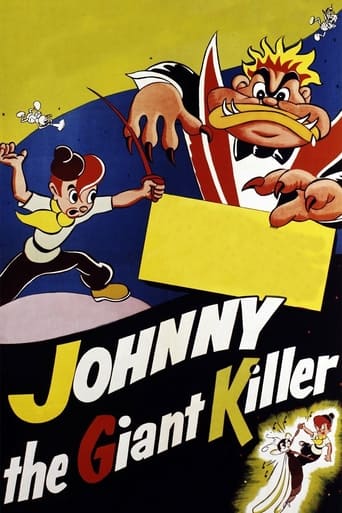
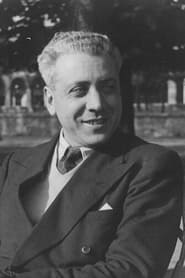
Jean Image, born Imre Hajdú, was a Hungarian-born French animator and film director who significantly contributed to the development of European animation during the mid-20th century. After moving to France in the 1930s, he established his own animation studio, Image Films, which became one of the first independent animation studios in France. His most internationally recognized work, 'Johnny the Giant Killer' (1950), showcased his distinctive animation style that combined European artistic sensibilities with accessible storytelling for children. Throughout his career spanning over four decades, Image created numerous animated shorts, features, and television series, including the popular 'Les Aventures de Gédéon' and 'Kiri le clown'. He worked with limited resources but managed to produce visually distinctive animations that appealed to both children and adults. His studio also produced commercials and educational films, making him an important figure in French animation history. Image's dedication to the art form helped establish animation as a serious medium in French cinema, paving the way for future generations of European animators.
The Craft
Behind the Camera
Jean Image's directing style was characterized by colorful, whimsical animation that blended European artistic traditions with child-friendly storytelling. He often worked with limited budgets but maximized visual impact through creative use of color, movement, and character design. His animations featured rounded, expressive characters and simple, moralistic narratives that appealed to family audiences. Image incorporated musical elements prominently in his films, using songs and dance sequences to enhance the storytelling. His style showed influences from both Eastern European folk art and Western animation techniques, creating a unique aesthetic that French animation from its American counterparts.
Milestones
- Founded Image Films studio in Paris
- Directed the internationally acclaimed 'Johnny the Giant Killer' (1950)
- Created the popular 'Les Aventures de Gédéon' animated series
- Produced 'Kiri le clown' television series
- Pioneered independent animation production in France
- Developed distinctive European animation style
- Produced educational and commercial animations
Best Known For
Must-See Films
Accolades
Won
- French Animation Society Recognition for lifetime achievement
- Special Jury Prize at Cannes Film Festival for animation
Nominated
- Cannes Film Festival Palme d'Or nomination for 'Johnny the Giant Killer'
Special Recognition
- Commander of the Order of Arts and Letters (France)
- Honorary President of the French Animation Association
- Retrospective exhibitions at French film archives
Working Relationships
Worked Often With
Studios
Why They Matter
Impact on Culture
Jean Image played a crucial role in establishing animation as a legitimate art form in French cinema during a period when the medium was dominated by American studios. His work demonstrated that European animators could produce distinctive, culturally relevant content that could compete internationally. 'Johnny the Giant Killer' became one of the first French animated films to achieve significant international distribution, proving that European animation had global appeal. Image's success inspired a generation of French animators and helped create a foundation for the robust French animation industry that exists today. His emphasis on artistic integrity and European storytelling traditions helped preserve cultural identity in animation during an era of increasing American cultural influence.
Lasting Legacy
Jean Image is remembered as one of the founding fathers of French animation, whose work established the foundation for France's thriving animation industry. His studio, Image Films, served as an incubator for talent and innovation in European animation for decades. The techniques and aesthetic principles he developed continue to influence French animators, who often cite his work as inspiration for maintaining cultural specificity in animation. His films, particularly 'Johnny the Giant Killer,' remain classics of European animation and are frequently studied in film schools for their artistic merit and historical significance. Image's legacy extends beyond his own films to the countless animators he trained and mentored, many of whom went on to become influential figures in European animation. His work helped demonstrate that animation could be both commercially viable and artistically significant, paving the way for the diverse and sophisticated French animation landscape of today.
Who They Inspired
Jean Image's influence on animation extends through multiple generations of European animators who drew inspiration from his distinctive style and independent approach to filmmaking. His success in producing quality animation with limited resources inspired future independent animators to pursue their visions despite budgetary constraints. The European aesthetic he championed, emphasizing artistic expression and cultural specificity over commercial formula, influenced the development of animation as an art form throughout Europe. Many contemporary French animators cite Image as a pioneer who proved that European animation could maintain its cultural identity while achieving international success. His work in television animation, particularly with 'Kiri le clown,' helped establish animation as a viable medium for children's programming in France, influencing countless subsequent productions in that genre.
Off Screen
Jean Image maintained a relatively private personal life, focusing primarily on his work in animation. He emigrated from Hungary to France in the 1930s, seeking better opportunities in the burgeoning European film industry. He married and settled in Paris, where he established his animation studio and raised his family. Despite the challenges of operating an independent animation studio, especially during and after World War II, Image remained committed to his artistic vision. He was known among colleagues as a dedicated artist who often worked long hours to maintain the quality of his productions. His passion for animation extended beyond his professional work, as he actively mentored young animators and promoted animation as an art form in French cultural circles.
Education
Studied art and animation techniques in Budapest before moving to France, where he further developed his skills through practical experience in the French film industry
Family
- Details not publicly documented
Did You Know?
- Changed his name from Imre Hajdú to Jean Image when he moved to France
- Founded one of France's first independent animation studios
- Produced 'Johnny the Giant Killer' with a fraction of the budget of Disney films of the same era
- His animation style was influenced by Hungarian folk art
- Worked as an animator on propaganda films during World War II to support his studio
- Mentored many animators who later became prominent in French animation
- His films were distributed in over 20 countries despite limited marketing budgets
- Spoke multiple languages, which helped in international distribution deals
- Often personally animated key sequences in his films
- Continued animating well into his 70s
- His studio survived through producing commercials alongside feature films
- Was instrumental in establishing animation as a recognized art form in French cultural institutions
In Their Own Words
Animation is not just for children; it is art that speaks to the child in all of us
With a pencil and paper, one can create worlds that no budget can limit
European animation must tell European stories with European hearts
Every frame is a painting, every movement a poem
The magic of animation lies in bringing dreams to life through dedication and artistry
Frequently Asked Questions
Who was Jean Image?
Jean Image (born Imre Hajdú) was a Hungarian-born French animator and film director who pioneered animation in France. He founded his own studio, Image Films, and is best known for directing 'Johnny the Giant Killer' (1950), one of the first French animated films to achieve international success.
What films is Jean Image best known for?
Titles linked here include Johnny the Giant Killer (1950), Les Aventures de Gédéon series.
When was Jean Image born and when did he die?
Born January 13, 1910; died October 21, 1989.
What awards did Jean Image win?
Jean Image received recognition from the French Animation Society for lifetime achievement and won a Special Jury Prize at Cannes Film Festival for animation. He was also named Commander of the Order of Arts and Letters in France for his contributions to the arts.
What was Jean Image's directing style?
Jean Image's directing style featured colorful, whimsical animation that blended European artistic traditions with child-friendly storytelling. He worked with limited budgets but created distinctive animations with rounded characters, moralistic narratives, and prominent musical elements that reflected both Eastern European folk art and Western animation techniques.
How did Jean Image impact French animation?
Jean Image established one of France's first independent animation studios and proved that European animation could achieve international success. His work helped legitimize animation as an art form in French culture and inspired generations of French animators to maintain cultural specificity in their work.
What was Jean Image's real name?
Jean Image's birth name was Imre Hajdú. He changed his name when he moved to France from Hungary in the 1930s to establish his career in animation.
Did Jean Image work in television animation?
Yes, Jean Image was instrumental in developing television animation in France. His series 'Kiri le clown' was one of the early successes in French animated television programming, helping establish animation as a viable medium for children's television.